
From Prototype to Production: How Rapid Prototyping Orders Are Accelerating Custom Fabrication Services
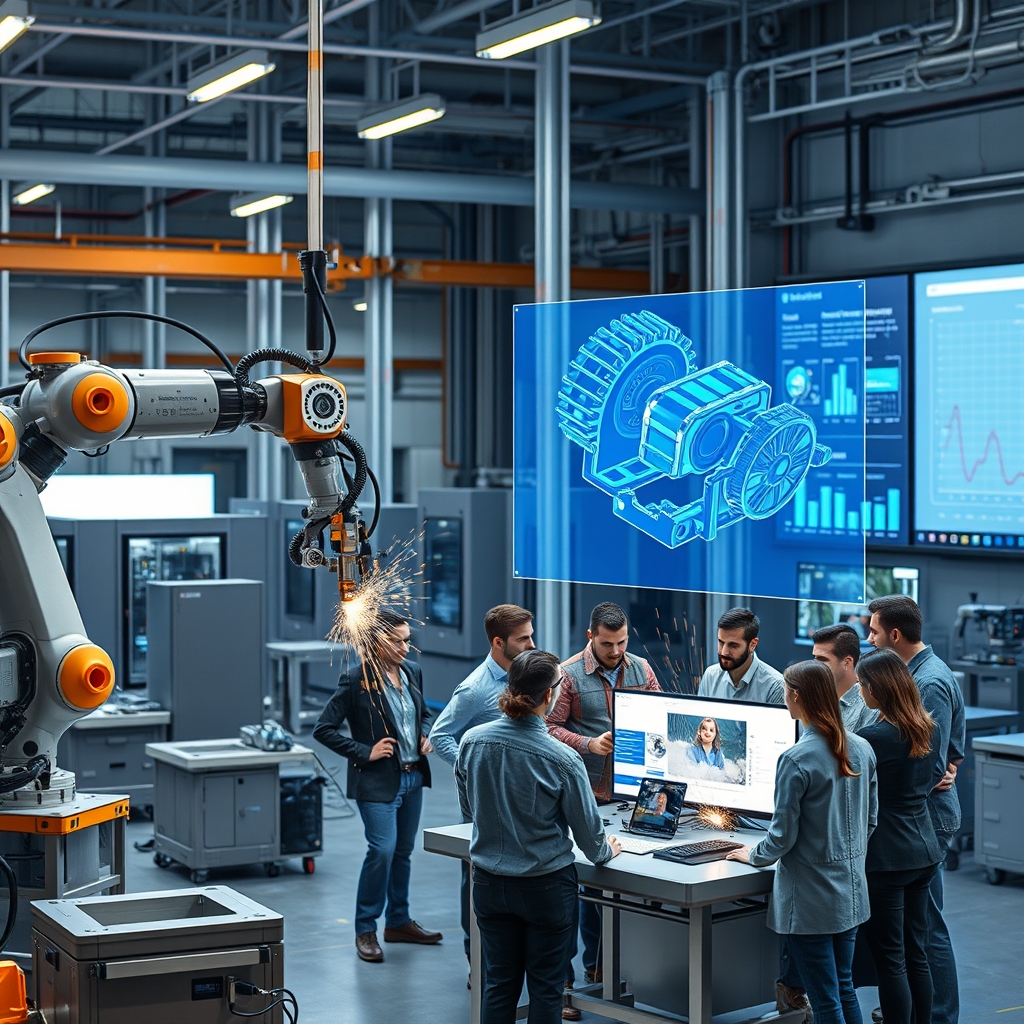
The manufacturing landscape is undergoing a seismic shift, driven by the convergence of digital innovation and evolving consumer demands. At the heart of this transformation lies rapid prototyping orders, a game-changing approach that is redefining how businesses move from concept to production. No longer confined to the slow, iterative processes of traditional manufacturing, companies can now leverage custom fabrication services to test, refine, and scale their designs with unprecedented speed and precision. This evolution is not just about faster turnaround times—it’s about unlocking new levels of agility, creativity, and efficiency in an increasingly competitive market.
The Role of Digital Supply Networks in Rapid Prototyping
Central to the rise of rapid prototyping is the emergence of digital supply networks, which serve as the backbone for modern manufacturing ecosystems. These networks connect designers, engineers, and manufacturers in real time, enabling seamless collaboration and data sharing across the entire production lifecycle. By integrating cloud manufacturing platforms and advanced analytics, businesses can now simulate, optimize, and execute prototyping orders with minimal friction. This digital-first approach eliminates the bottlenecks of traditional supply chains, where delays in communication or physical sample shipments could derail projects for weeks or even months.
For example, a company developing a new consumer product can use a cloud manufacturing platform to upload a 3D model, receive instant quotes from multiple fabrication partners, and place an order within hours. The platform’s algorithms can even suggest material alternatives or design tweaks to improve manufacturability, reducing the risk of costly errors later in the process. This level of integration was unimaginable just a decade ago, but today, it’s becoming the standard for businesses that prioritize speed and innovation.
Automated Order Management: The Engine Behind Efficiency
While digital supply networks provide the infrastructure, automated order management systems are the engines that power rapid prototyping at scale. These systems streamline every stage of the order process, from initial request to final delivery, by automating tasks that were once manual and time-consuming. For instance, when a designer submits a prototyping order, the system can instantly generate a purchase order, allocate resources, and schedule production—all without human intervention. This not only accelerates the process but also reduces the risk of errors, such as miscommunication or incorrect specifications.
Moreover, automated order management systems provide real-time visibility into the status of each order, allowing businesses to track progress and make data-driven decisions. If a prototype requires adjustments, the system can flag the issue and trigger a revised order without derailing the entire project. This level of control is particularly valuable for industries like aerospace, automotive, and medical devices, where precision and compliance are non-negotiable. By eliminating guesswork and manual oversight, businesses can focus on what matters most: innovation and quality.
The Impact on Custom Fabrication Services
The rise of rapid prototyping orders is having a profound impact on custom fabrication services, democratizing access to high-quality manufacturing for businesses of all sizes. In the past, small and medium-sized enterprises (SMEs) often struggled to compete with larger players due to the high costs and long lead times associated with traditional prototyping. However, digital platforms and automated systems have leveled the playing field, enabling SMEs to bring their ideas to life with the same speed and precision as industry giants.
One of the most significant advantages of this shift is the ability to iterate quickly. In traditional manufacturing, creating a prototype could take weeks or months, and each revision added to the timeline and cost. Today, businesses can produce multiple iterations of a design in a matter of days, testing different materials, finishes, and functionalities to find the optimal solution. This iterative approach not only improves the final product but also reduces the risk of costly mistakes during mass production. For industries like consumer electronics or fashion, where trends and consumer preferences evolve rapidly, this agility is a competitive necessity.
Just-in-Time Ordering and Batch Production Services
Another key development in the world of rapid prototyping is the integration of just-in-time ordering and batch production services. These approaches allow businesses to produce small quantities of a product on demand, rather than committing to large, upfront production runs. This is particularly valuable for startups and niche markets, where demand can be unpredictable, and inventory costs can quickly spiral out of control.
For example, a startup launching a new wearable device can use rapid prototyping to create a limited batch of 500 units for market testing. If the product gains traction, the company can scale up production using the same digital tools and supply chain partners. Conversely, if the product fails to resonate with consumers, the financial impact is minimized. This flexibility is a stark contrast to traditional manufacturing, where businesses often had to commit to large production runs based on speculative demand, risking excess inventory and wasted resources.
The Future of Manufacturing Order Tracking
As rapid prototyping continues to evolve, so too does the need for robust manufacturing order tracking systems. These systems provide end-to-end visibility into the production process, from raw material sourcing to final delivery. By leveraging technologies like IoT sensors, blockchain, and AI-driven analytics, businesses can monitor every stage of the supply chain in real time, ensuring compliance, quality, and efficiency.
For instance, a manufacturer producing a custom medical device can use IoT sensors to track the temperature, humidity, and other environmental factors during production, ensuring the product meets strict regulatory standards. Meanwhile, blockchain technology can provide an immutable record of each step in the process, from material sourcing to final assembly, giving customers and regulators confidence in the product’s integrity. This level of transparency is becoming increasingly important as consumers and businesses alike demand greater accountability and sustainability from their supply chains.
As businesses continue to embrace rapid prototyping and custom fabrication services, the boundaries of what’s possible in manufacturing are being redrawn. The ability to turn ideas into tangible products with speed, precision, and flexibility is no longer a luxury—it’s a necessity for staying competitive in a fast-paced world. Companies that leverage these tools and technologies will not only streamline their operations but also unlock new opportunities for innovation, growth, and success in an ever-evolving market. The future of manufacturing is here, and it’s being shaped by those who dare to think differently and act decisively.



