
The Silent Revolution: How Contract Manufacturing Orders Are Powering the Next Wave of Industrial Agility
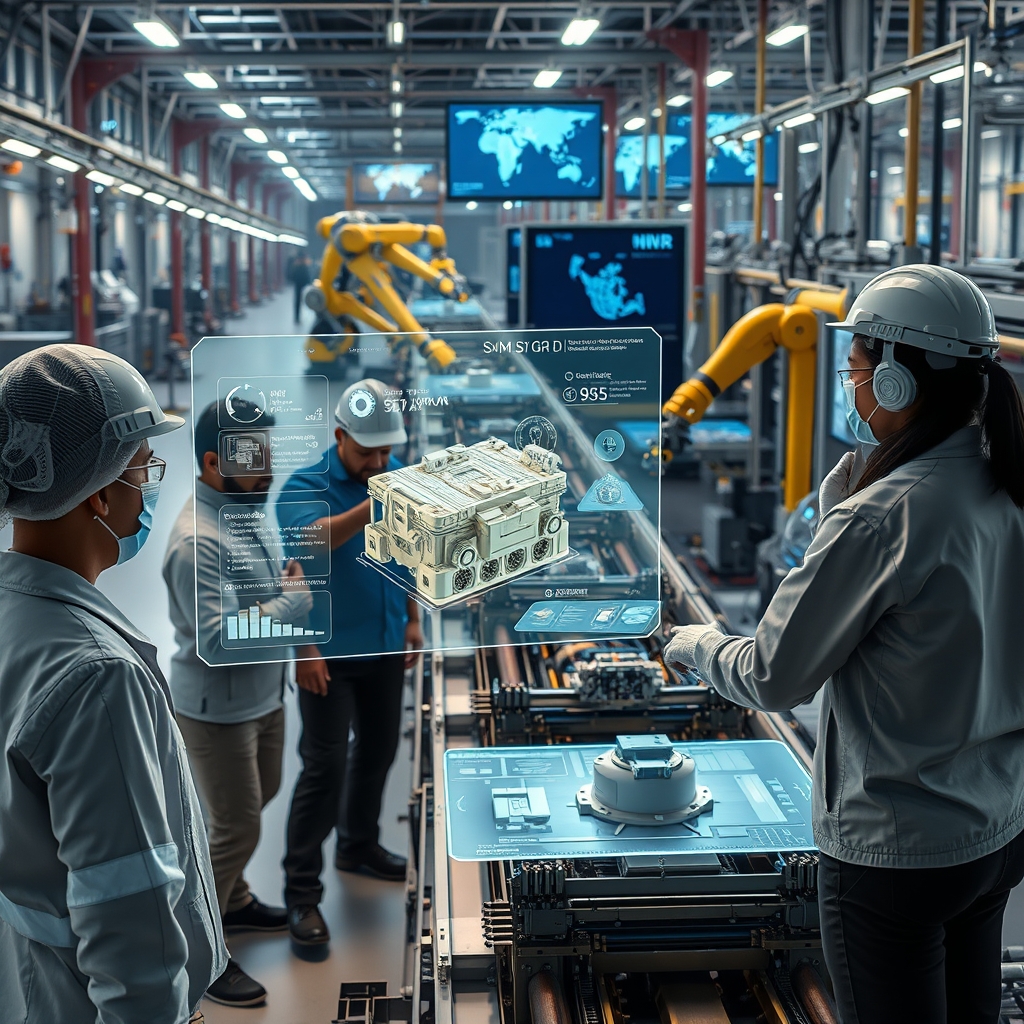
The industrial landscape is undergoing a quiet but profound transformation. At the heart of this shift lies a growing reliance on contract manufacturing orders—a strategic pivot that is enabling businesses to scale production, reduce overhead, and respond to market demands with unprecedented speed. Unlike traditional in-house manufacturing, contract manufacturing allows companies to outsource production to specialized partners, leveraging their expertise, infrastructure, and flexibility to meet complex and fluctuating demands.
The Strategic Advantage of Contract Manufacturing
For enterprises navigating the pressures of global competition, contract manufacturing offers a compelling advantage: the ability to convert fixed costs into variable ones. By partnering with external manufacturers, businesses can avoid the capital-intensive investments required for building and maintaining production facilities. Instead, they gain access to state-of-the-art equipment, skilled labor, and scalable capacity—all on an as-needed basis. This model is particularly valuable for industries with seasonal demand, rapid product iterations, or highly specialized production requirements.
Moreover, contract manufacturing orders enable companies to focus on their core competencies, such as design, marketing, and innovation, while leaving the complexities of production to experts. This division of labor not only enhances efficiency but also accelerates time-to-market, a critical factor in industries where consumer preferences evolve at lightning speed. For example, electronics manufacturers can swiftly adapt to new component specifications, while apparel brands can quickly pivot to sustainable materials without overhauling their entire supply chain.
The Role of Digital Platforms in Streamlining Contract Manufacturing
The rise of digital procurement and manufacturing platforms has further amplified the benefits of contract manufacturing. These platforms act as intermediaries, connecting businesses with a global network of vetted manufacturers, automating the order placement process, and providing real-time visibility into production status. By integrating automated order management and manufacturing order tracking, these systems eliminate the inefficiencies of manual coordination, reducing errors, delays, and miscommunications.
Cloud-based solutions, in particular, have become a game-changer. Enterprise procurement platforms now offer end-to-end digital workflows, from request-for-quote (RFQ) submissions to final delivery tracking. These platforms often include AI-driven analytics to match businesses with the most suitable manufacturing partners based on cost, lead time, and production capabilities. The result is a seamless, data-driven approach to contract manufacturing that minimizes risk and maximizes agility.
Overcoming Challenges in Contract Manufacturing Orders
Despite its advantages, contract manufacturing is not without challenges. One of the most significant hurdles is maintaining quality control across geographically dispersed production sites. Businesses must implement rigorous vetting processes, regular audits, and clear contractual agreements to ensure that their partners adhere to strict quality standards. Additionally, intellectual property (IP) protection remains a critical concern, particularly when outsourcing to manufacturers in regions with varying legal frameworks. Companies must employ robust legal safeguards, such as non-disclosure agreements (NDAs) and patents, to protect their designs and proprietary processes.
Another challenge lies in managing the complexity of digital supply networks. With multiple suppliers, subcontractors, and logistics providers involved, coordination can become fragmented. This is where production scheduling software and inventory restocking systems play a pivotal role. By providing real-time data on inventory levels, production timelines, and shipment statuses, these tools enable businesses to anticipate bottlenecks and adjust their strategies proactively.
The Future: Contract Manufacturing in the Era of On-Demand Production
The convergence of contract manufacturing with on-demand manufacturing and just-in-time ordering is set to redefine industrial agility. As businesses increasingly adopt custom production ordering models, the ability to produce small batches or even single units economically is becoming a reality. This shift is particularly transformative for industries like aerospace, medical devices, and automotive, where customization and precision are paramount.
Advancements in rapid prototyping orders and cloud manufacturing platforms are further blurring the lines between prototyping and full-scale production. Companies can now iterate designs in real time, test them in small batches, and scale up only when demand is confirmed. This not only reduces waste but also enables a more sustainable approach to manufacturing, aligning with the growing emphasis on circular economies and eco-friendly practices.
Integrating Contract Manufacturing into Broader Supply Chain Strategies
To fully capitalize on the potential of contract manufacturing, businesses must integrate it into their broader supply chain strategies. This involves fostering long-term partnerships with manufacturers, investing in collaborative technologies, and adopting a holistic view of procurement, production, and distribution. For instance, wholesale production ordering can be optimized by leveraging data analytics to forecast demand and align production schedules accordingly. Similarly, industrial order fulfillment can be enhanced by automating the coordination between contract manufacturers and logistics providers, ensuring that products reach their destinations on time and in perfect condition.
The rise of original equipment ordering (OEM) in contract manufacturing is another trend worth noting. OEMs are increasingly relying on external partners to produce components or even entire products, allowing them to focus on innovation and brand building. This model is particularly prevalent in the tech industry, where companies like Apple and Dell outsource the manufacturing of their devices to specialized firms, enabling them to stay ahead of the competition without the burden of managing production facilities.
As industries continue to evolve, the ability to adapt quickly and efficiently will separate the leaders from the laggards. Contract manufacturing orders, when executed strategically, provide the flexibility and scalability needed to thrive in an era of constant change. By embracing digital tools, fostering strong partnerships, and prioritizing agility, businesses can turn the challenges of modern manufacturing into opportunities for growth and innovation. The silent revolution is already underway, and those who recognize its potential will be the ones shaping the future of industry.



