
The Unseen Guardians: How AI and Predictive Modeling Are Fortifying Cyber Security in the Remote Work Era
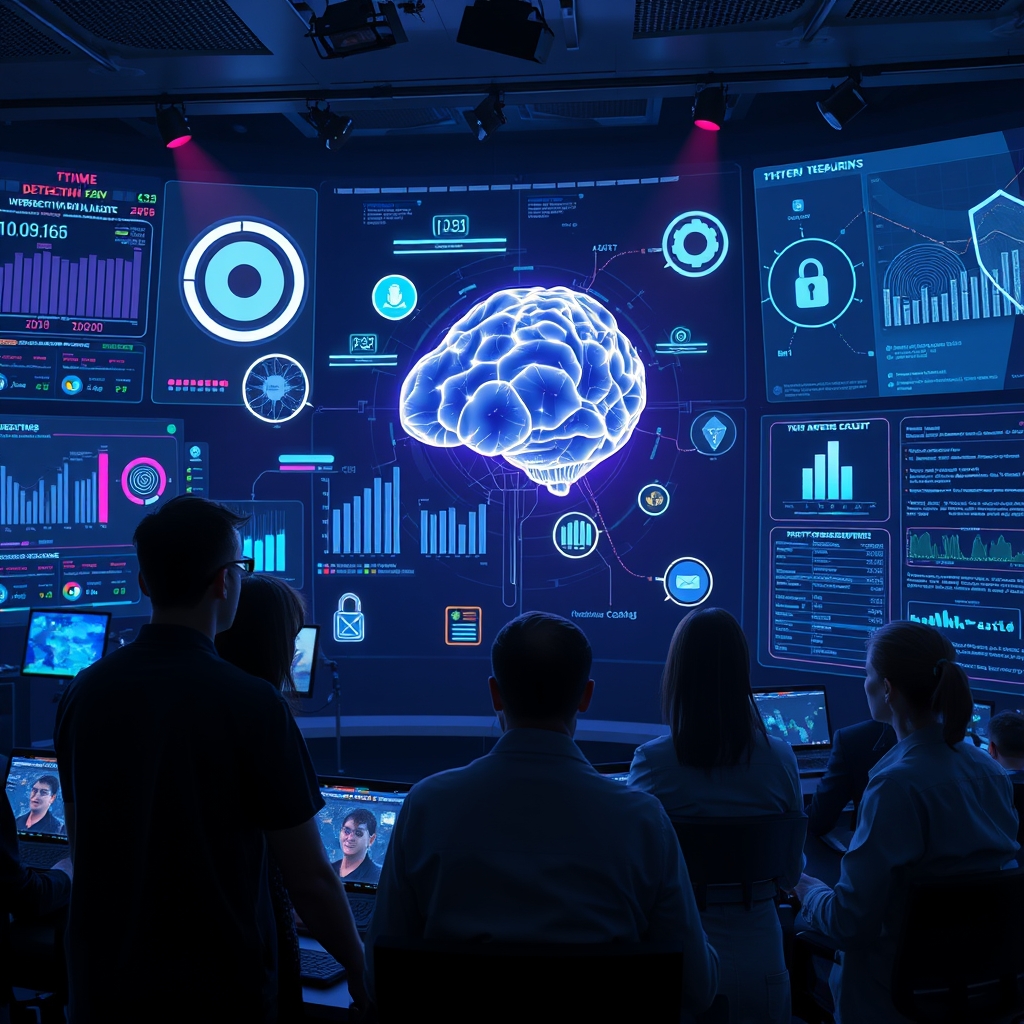
In an era where remote work has become the norm rather than the exception, the digital landscape has expanded exponentially, bringing with it a host of new challenges—chief among them, cyber security. As organizations navigate this shift, the integration of artificial intelligence (AI) and predictive modeling has emerged as a game-changer, transforming how businesses protect their data, systems, and employees from an ever-evolving threat landscape. The stakes have never been higher, and the tools at our disposal have never been more sophisticated.
The Remote Work Revolution and Its Cyber Security Challenges
The rapid adoption of remote work has dismantled traditional office boundaries, creating a distributed workforce that operates across time zones, devices, and networks. While this flexibility has unlocked unprecedented productivity and talent acquisition opportunities, it has also introduced significant vulnerabilities. Home networks, personal devices, and unsecured Wi-Fi connections have become the new frontlines in the battle against cyber threats. Phishing attacks, ransomware, and data breaches are no longer confined to corporate firewalls; they now target individuals in their homes, where security measures are often less robust.
According to a recent report by Cybersecurity Ventures, global cybercrime damages are expected to reach $10.5 trillion annually by 2025, a stark reminder of the urgency with which organizations must address these risks. The remote work era has not only expanded the attack surface but has also accelerated the sophistication of cyber threats, making traditional security measures increasingly inadequate.
The Role of AI in Modern Cyber Security
Artificial intelligence has stepped into this breach as a powerful ally, offering capabilities that far surpass those of conventional security systems. AI-driven cyber security solutions leverage machine learning algorithms to analyze vast amounts of data in real-time, identifying patterns and anomalies that human analysts might miss. These systems can detect threats at speeds and scales that were previously unimaginable, providing organizations with the agility needed to respond to incidents before they escalate.
One of the most significant advantages of AI in cyber security is its ability to learn and adapt. Unlike static security protocols, AI systems evolve alongside emerging threats, continuously refining their detection and response mechanisms. For example, AI-powered tools can monitor user behavior to identify deviations that may indicate a compromised account, such as unusual login times or atypical data access patterns. This proactive approach shifts the focus from reactive damage control to preemptive threat mitigation, a critical advantage in the remote work environment.
Predictive Modeling: The Crystal Ball of Cyber Security
While AI excels at real-time threat detection, predictive modeling takes cyber security a step further by forecasting potential risks before they materialize. By analyzing historical data and identifying trends, predictive models can anticipate vulnerabilities and recommend preemptive measures to mitigate them. This forward-looking approach is particularly valuable in the remote work era, where the threat landscape is constantly shifting.
Predictive modeling can be applied to a variety of cyber security scenarios. For instance, it can assess the likelihood of a phishing attack succeeding based on employee behavior, such as their response rates to suspicious emails. It can also evaluate the security posture of remote devices, predicting which ones are most likely to be targeted by malware. By providing these insights, predictive modeling enables organizations to allocate resources more effectively, focusing their efforts on the most critical areas of risk.
Enhancing Employee Awareness and Training
Despite the advanced capabilities of AI and predictive modeling, human error remains one of the leading causes of cyber security breaches. Remote work has exacerbated this issue, as employees often operate without the immediate support of IT teams. To address this, organizations are turning to AI-driven training platforms that personalize cyber security education based on individual behaviors and risk profiles.
These platforms use predictive analytics to identify employees who may be more susceptible to phishing attacks or other social engineering tactics. They then deliver targeted training modules designed to address specific vulnerabilities, reinforcing best practices in a way that resonates with each individual. By combining AI with behavioral psychology, organizations can foster a culture of cyber security awareness that extends beyond the office walls.
The Future of Cyber Security in a Remote World
As remote work continues to shape the future of business, the integration of AI and predictive modeling into cyber security strategies will become increasingly essential. These technologies not only enhance an organization’s ability to detect and respond to threats but also empower employees to become active participants in their own digital safety. The result is a more resilient and adaptive security posture, capable of withstanding the challenges of an ever-changing threat landscape.
The journey toward a secure remote work environment is not without its obstacles, but the tools and strategies available today offer a promising path forward. By embracing AI and predictive modeling, organizations can transform cyber security from a reactive necessity into a proactive advantage, ensuring that their digital transformation is built on a foundation of trust, resilience, and innovation. The unseen guardians of this new era are not just lines of code or algorithms—they are the collective efforts of technology and human ingenuity, working together to safeguard the future of work.



