The Symbiosis of AI and Remote Work: Crafting the Future of Productivity, Security, and Human-Centric Workplaces
The rapid evolution of remote work has transcended its initial role as a temporary solution during global disruptions, becoming a permanent fixture in the modern corporate landscape. As organizations adapt to this paradigm shift, artificial intelligence (AI) has emerged as a critical enabler, reshaping how businesses approach productivity, cyber security, and employee well-being. The fusion of AI and remote work is not merely a technological upgrade but a fundamental reimagining of work itself—one that prioritizes flexibility, resilience, and human-centric design.
The Productivity Paradox: AI as the Great Equalizer
One of the most persistent debates surrounding remote work revolves around productivity. Critics argue that distributed teams lack the structure and oversight necessary for high performance, while proponents highlight the benefits of autonomy and reduced commute times. AI bridges this divide by introducing intelligent systems that enhance, rather than replace, human effort. Tools powered by machine learning and natural language processing (NLP) are automating repetitive tasks, from scheduling meetings to generating reports, freeing employees to focus on strategic and creative work.
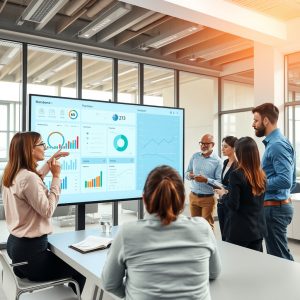
Consider AI-driven project management platforms that analyze team workflows in real-time, identifying bottlenecks and suggesting optimizations. These systems can predict project timelines with remarkable accuracy, ensuring deadlines are met without overwhelming employees. Similarly, AI-powered virtual assistants are becoming indispensable in managing administrative tasks, allowing teams to operate with unprecedented efficiency. The result is a workplace where productivity is not measured by hours logged but by the quality and impact of output.
Fortifying Cyber Security in a Borderless Workplace
The shift to remote work has expanded the attack surface for cyber threats, making cyber security a top priority for organizations. Traditional security models, designed for centralized offices, are ill-equipped to handle the complexities of distributed teams. AI is stepping into this gap, offering dynamic and adaptive solutions that evolve alongside emerging threats. Machine learning algorithms can detect anomalies in user behavior, flagging potential breaches before they escalate. For instance, AI systems can identify unusual login patterns or data access requests, triggering immediate responses to mitigate risks.
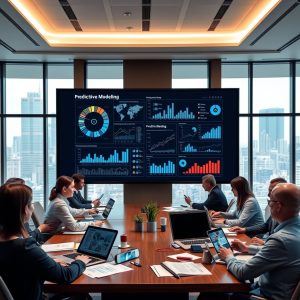
Moreover, AI is enhancing endpoint security by continuously monitoring devices for vulnerabilities. Predictive modeling enables organizations to anticipate threats based on historical data, allowing them to proactively strengthen their defenses. This proactive approach is particularly critical in remote work environments, where employees may use personal devices or unsecured networks. By integrating AI into cyber security strategies, businesses can create a resilient digital infrastructure that protects sensitive data without compromising flexibility.
The Human-Centric Workplace: AI and Employee Well-Being
While productivity and security are critical, the long-term success of remote work hinges on employee well-being. The isolation and blurred boundaries between work and personal life can lead to burnout, disengagement, and mental health challenges. AI is playing a transformative role in addressing these issues by fostering a more human-centric workplace. For example, AI-driven wellness platforms can analyze employee sentiment through surveys, emails, and even voice tone during virtual meetings. These insights enable organizations to tailor support programs, such as mental health resources or flexible work arrangements, to individual needs.
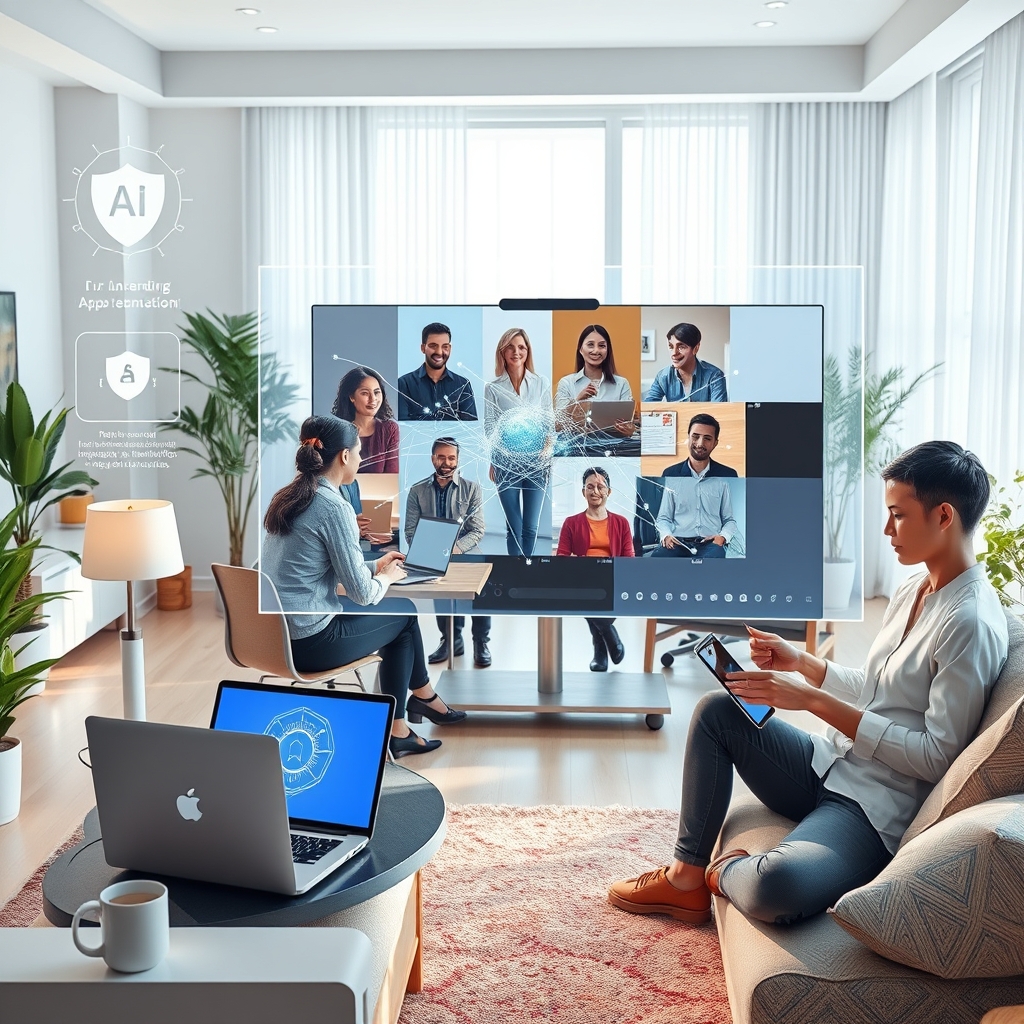
AI is also revolutionizing collaboration by creating more inclusive and engaging virtual environments. Advanced video conferencing tools powered by AI can transcribe meetings in real-time, generate summaries, and even translate languages, breaking down barriers for global teams. These innovations ensure that remote work is not just a functional alternative but a superior experience that prioritizes connection and well-being.
The Future of Work: A Balanced Ecosystem
The integration of AI into remote work is not without its challenges. Concerns about privacy, data ownership, and the ethical use of AI are valid and require careful consideration. Organizations must strike a balance between leveraging AI for efficiency and maintaining transparency and trust with their employees. This means implementing clear policies on data usage, providing training on AI tools, and fostering a culture of open communication.
As AI continues to evolve, its role in remote work will expand beyond productivity and security to encompass broader aspects of corporate governance and talent acquisition. Predictive analytics can help organizations identify skill gaps and design targeted upskilling programs, ensuring employees remain competitive in an AI-driven world. Similarly, AI can enhance diversity and inclusion efforts by removing biases from hiring processes and creating more equitable opportunities for remote workers.
The fusion of AI and remote work is not a fleeting trend but a fundamental shift in how we define and experience work. By embracing this symbiosis, organizations can create workplaces that are not only more productive and secure but also more human-centric and adaptable. The future of work is not about choosing between technology and humanity but about leveraging AI to amplify the best of both, crafting a workplace that is as resilient as it is innovative, and as compassionate as it is efficient.