How Digital Twin Technology is Revolutionizing Smart Manufacturing and Industrial Automation
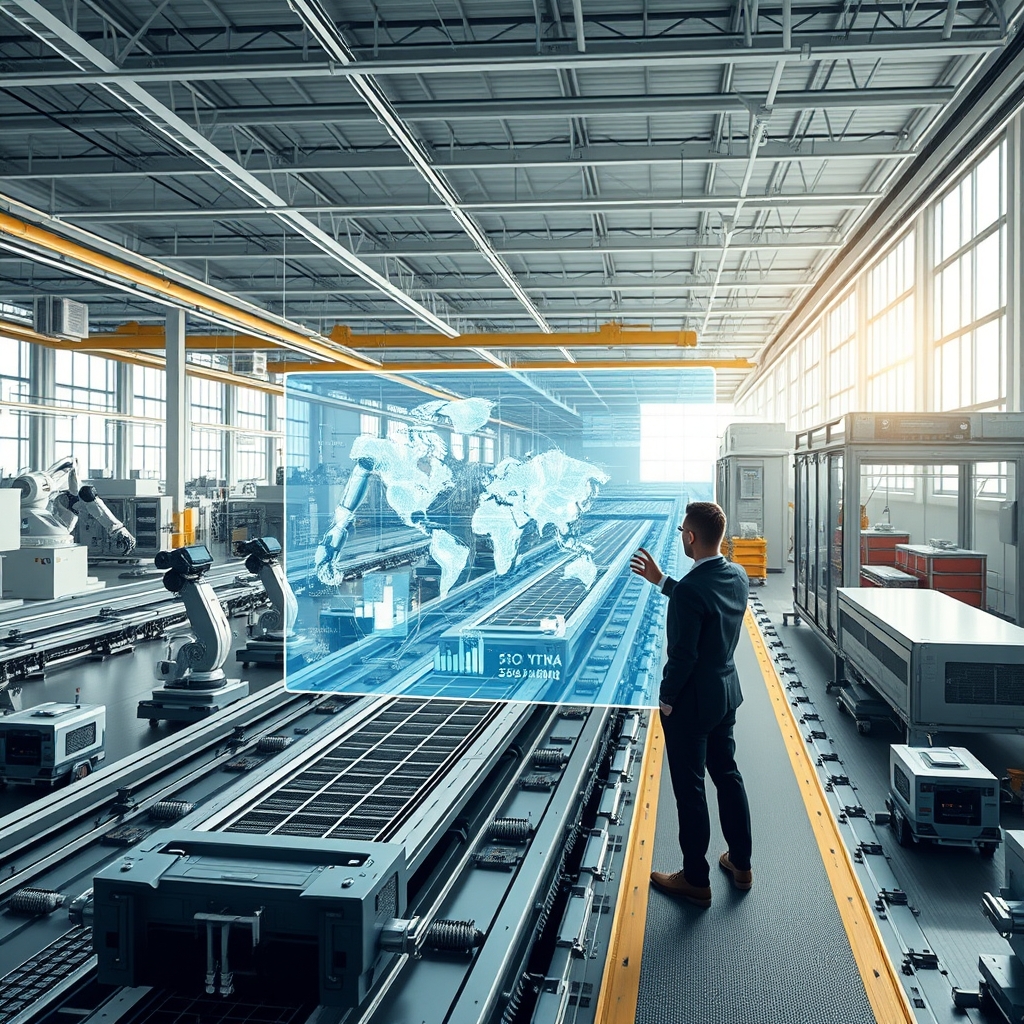
In the rapidly evolving landscape of modern industry, the convergence of digital innovation and manufacturing processes has given rise to a transformative concept: Digital Twin Technology. This cutting-edge approach is reshaping how businesses design, monitor, and optimize their operations, bridging the gap between the physical and digital worlds. By creating a virtual replica of a physical asset, system, or process, digital twins enable manufacturers to simulate, predict, and enhance performance in ways that were previously unimaginable.
The Foundations of Digital Twin Technology
At its core, a digital twin is a dynamic, data-driven model that mirrors a real-world object or system in real time. This technology leverages a combination of Internet of Things (IoT) sensors, artificial intelligence (AI), machine learning (ML), and advanced analytics to create a living digital counterpart. Unlike traditional simulations, which are static and limited in scope, digital twins evolve alongside their physical counterparts, continuously updating with new data to reflect changes in performance, environmental conditions, or operational parameters.
The applications of digital twins span across various stages of the manufacturing lifecycle, from product design and prototyping to production, maintenance, and even decommissioning. For instance, in automotive manufacturing, digital twins can simulate the entire assembly line, identifying bottlenecks, optimizing workflows, and reducing downtime before any physical changes are made. Similarly, in aerospace, digital twins of aircraft engines can monitor performance in real time, predicting maintenance needs and preventing costly failures.
Enhancing Predictive Maintenance and Asset Lifecycle Management
One of the most significant advantages of digital twin technology is its ability to revolutionize predictive maintenance and asset lifecycle management. Traditional maintenance strategies often rely on scheduled inspections or reactive repairs, which can lead to unnecessary downtime or catastrophic failures. Digital twins, however, enable a proactive approach by continuously analyzing data from sensors embedded in machinery and equipment.
For example, a digital twin of a wind turbine can monitor vibration levels, temperature, and other critical parameters in real time. By applying AI-driven analytics, the system can detect anomalies and predict potential failures before they occur, allowing maintenance teams to intervene at the optimal time. This not only extends the lifespan of the asset but also reduces maintenance costs and improves overall operational efficiency. Moreover, digital twins can simulate the impact of different maintenance strategies, helping businesses determine the most cost-effective and sustainable approaches to asset management.
Optimizing Supply Chain Logistics and Inventory Management
Beyond the factory floor, digital twin technology is also transforming supply chain logistics and inventory optimization. By creating a digital replica of the entire supply chain, businesses can gain unprecedented visibility into their operations, from raw material procurement to final product delivery. This level of insight allows for more accurate demand forecasting, reduced lead times, and improved coordination between suppliers, manufacturers, and distributors.
For instance, a digital twin of a warehouse can simulate different storage layouts, picking routes, and inventory replenishment strategies to identify the most efficient configuration. When combined with warehouse robotics and automated guided vehicles (AGVs), digital twins can further enhance productivity by optimizing the movement of goods and minimizing human intervention. Additionally, digital twins can help businesses respond more effectively to disruptions, such as natural disasters or geopolitical events, by simulating alternative supply chain scenarios and identifying the best course of action.
The Role of Digital Twins in Sustainable and Agile Manufacturing
As industries increasingly prioritize sustainability and agility, digital twin technology is emerging as a powerful tool for achieving these goals. In the context of green manufacturing, digital twins can help businesses reduce their environmental footprint by optimizing energy consumption, minimizing waste, and improving resource efficiency. For example, a digital twin of a manufacturing plant can simulate the impact of different energy sources, production schedules, and waste management strategies, enabling businesses to make data-driven decisions that align with their sustainability objectives.
Similarly, digital twins play a crucial role in enabling agile manufacturing, where businesses must rapidly adapt to changing market demands and customer preferences. By providing real-time insights into production processes, digital twins allow manufacturers to quickly reconfigure their operations, switch between product variants, and scale production up or down as needed. This flexibility is particularly valuable in industries characterized by mass customization, where the ability to produce personalized products at scale is a key competitive advantage.
Integrating Digital Twins with Enterprise Resource Planning (ERP) Systems
To fully unlock the potential of digital twin technology, businesses must integrate it with their existing Enterprise Resource Planning (ERP) and Material Requirements Planning (MRP) systems. ERP systems serve as the backbone of modern manufacturing operations, managing everything from finance and human resources to production planning and inventory control. By connecting digital twins to ERP systems, businesses can create a seamless flow of data between the physical and digital realms, enabling more informed decision-making and greater operational efficiency.
For example, a digital twin of a production line can feed real-time performance data into the ERP system, allowing managers to monitor key performance indicators (KPIs) such as throughput, cycle time, and defect rates. This integration also enables businesses to automate certain processes, such as ordering raw materials or scheduling maintenance, based on the insights generated by the digital twin. Furthermore, by combining digital twin data with ERP analytics, businesses can gain a holistic view of their operations, identifying opportunities for improvement across the entire value chain.
Overcoming Challenges in Digital Twin Adoption
Despite its immense potential, the adoption of digital twin technology is not without challenges. One of the primary hurdles is the complexity of integrating digital twins with existing systems and processes. Businesses must invest in the right infrastructure, including IoT sensors, cloud computing, and advanced analytics tools, to support digital twin implementation. Additionally, there is a need for skilled personnel who can develop, manage, and interpret digital twin models, which may require upskilling or hiring new talent.
Data security and privacy are also critical concerns, as digital twins rely on vast amounts of sensitive information. Businesses must implement robust cybersecurity measures to protect their digital twin models from cyber threats and ensure compliance with data protection regulations. Furthermore, the cost of implementing digital twin technology can be prohibitive for small and medium-sized enterprises (SMEs), although the long-term benefits often outweigh the initial investment.
The future of manufacturing lies in the seamless integration of digital and physical systems, where real-time data and advanced analytics drive continuous improvement and innovation. Digital twin technology is at the forefront of this transformation, offering businesses a powerful tool to enhance efficiency, reduce costs, and create more sustainable and agile operations. As industries continue to evolve, those who embrace digital twins will be best positioned to thrive in an increasingly competitive and dynamic landscape, where the ability to adapt and innovate is the key to success.