
From Raw Material Procurement to Quality Control: How Industrial Automation is Transforming Operations Management
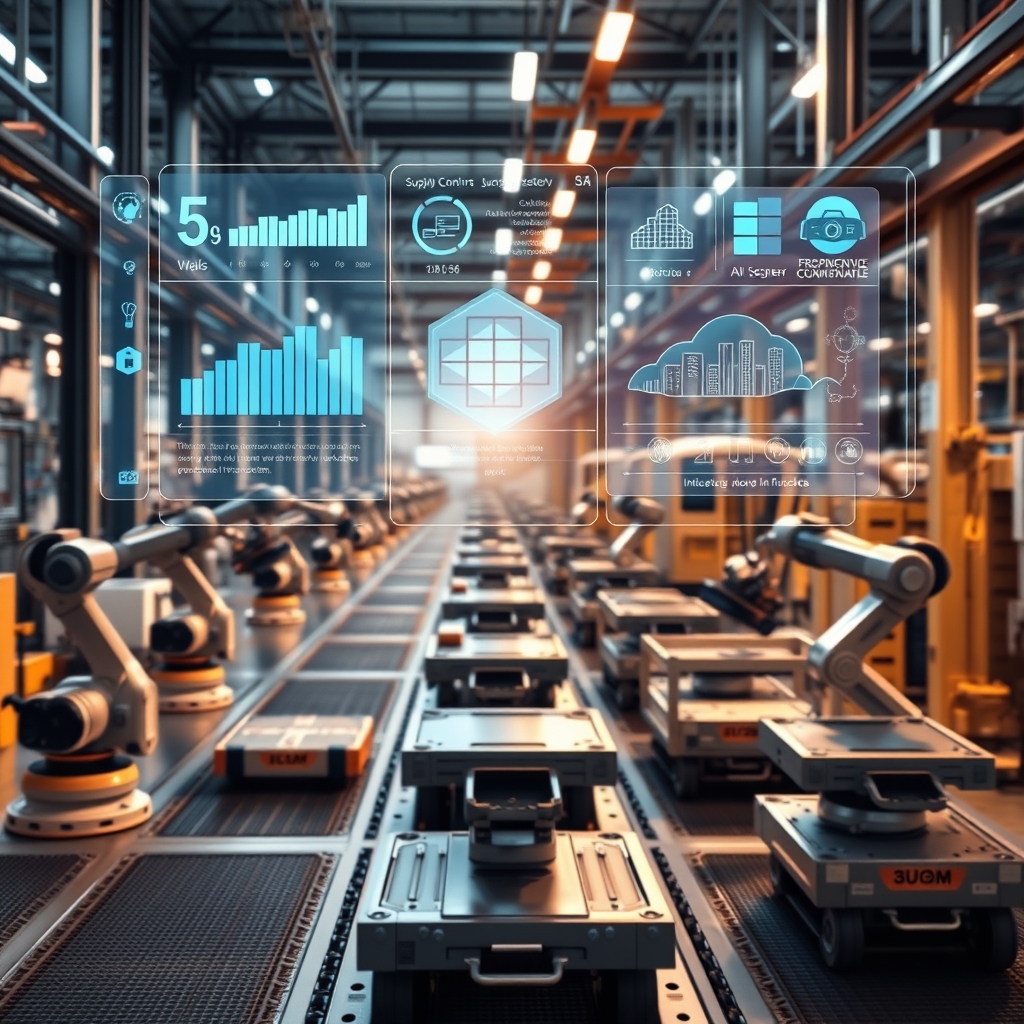
The modern manufacturing landscape is undergoing a seismic shift, driven by the relentless march of industrial automation. At the heart of this transformation lies a critical yet often overlooked process: raw material procurement. Traditionally viewed as a logistical challenge, procurement is now emerging as a strategic pillar in operations management, thanks to the integration of smart technologies. Automation is not just streamlining the acquisition of materials but also redefining how manufacturers approach quality, cost, and sustainability from the very first step of the production cycle.
The Evolution of Raw Material Procurement
Gone are the days when procurement was merely about negotiating contracts and managing supplier relationships. Today, it is a data-driven, dynamic process that leverages artificial intelligence (AI) and machine learning to predict demand, optimize inventory, and mitigate risks. Automated procurement systems can analyze historical data, market trends, and even geopolitical factors to make real-time decisions about when and where to source materials. This level of precision reduces waste, lowers costs, and ensures a steady supply of high-quality inputs, which is essential for maintaining lean production principles.
For example, AI-powered platforms can identify patterns in supplier performance, flagging potential delays or quality issues before they disrupt production. By integrating with enterprise resource planning (ERP) systems, these tools provide a holistic view of the supply chain, enabling manufacturers to make informed decisions that align with broader business objectives. The result is a procurement process that is not only more efficient but also more resilient to disruptions.
Quality Control Systems in the Age of Automation
While procurement sets the stage for success, the true test of manufacturing excellence lies in quality control. Industrial automation has revolutionized this domain by introducing real-time monitoring and predictive analytics. Traditional quality control methods, which often relied on manual inspections and post-production testing, are being replaced by automated systems that detect defects at every stage of the production process. This shift is particularly critical in industries where precision is non-negotiable, such as aerospace, automotive, and pharmaceuticals.
One of the most significant advancements in this area is the use of computer vision and AI-driven inspection systems. These technologies can analyze thousands of components per minute, identifying even the smallest deviations from quality standards. By integrating with digital twin technology, manufacturers can simulate production processes and predict potential quality issues before they occur. This proactive approach not only reduces scrap and rework but also enhances customer satisfaction by ensuring that only the highest-quality products reach the market.
The Role of Predictive Maintenance in Quality Assurance
Quality control is not just about inspecting finished products; it also involves maintaining the equipment that produces them. Predictive maintenance, a cornerstone of smart manufacturing, plays a crucial role in this regard. By using sensors and IoT devices to monitor machinery in real time, manufacturers can predict when a machine is likely to fail and schedule maintenance before a breakdown occurs. This not only prevents costly downtime but also ensures that production equipment operates at peak efficiency, which is essential for maintaining consistent product quality.
For instance, vibration analysis and thermal imaging can detect anomalies in machinery that may indicate wear and tear. When combined with AI algorithms, these tools can provide actionable insights, allowing maintenance teams to address issues before they escalate. The result is a production environment where quality is not just monitored but actively managed, reducing variability and improving overall performance.
Inventory Optimization: Balancing Cost and Efficiency
Effective operations management requires a delicate balance between maintaining sufficient inventory levels and minimizing carrying costs. Industrial automation has introduced sophisticated tools for inventory optimization, enabling manufacturers to strike this balance with unprecedented precision. By leveraging data from ERP systems, material requirements planning (MRP) software, and demand forecasting tools, manufacturers can dynamically adjust inventory levels based on real-time demand signals.
Automated warehouse robotics further enhance this process by streamlining the storage and retrieval of materials. These systems can operate 24/7, reducing the need for manual labor and minimizing errors. Additionally, they can be integrated with AI-driven analytics to optimize warehouse layouts, ensuring that high-demand materials are easily accessible. This not only speeds up order fulfillment but also reduces the risk of stockouts or overstocking, both of which can have significant financial implications.
The Impact of Sustainable Practices
As manufacturers strive to optimize their operations, sustainability has emerged as a key consideration. Industrial automation is playing a pivotal role in this shift by enabling more efficient use of resources and reducing waste. For example, automated systems can track the lifecycle of materials, ensuring that they are reused or recycled wherever possible. This not only aligns with green manufacturing principles but also reduces costs by minimizing the need for virgin materials.
Sustainable packaging is another area where automation is making a difference. By using AI to design packaging that minimizes material usage while maximizing protection, manufacturers can reduce their environmental footprint without compromising product safety. Additionally, automated packaging systems can adapt to different product sizes and shapes, further reducing waste and improving efficiency.
The integration of industrial automation into operations management is not just a technological upgrade; it is a fundamental reimagining of how manufacturing works. From raw material procurement to quality control and inventory optimization, automation is enabling manufacturers to achieve levels of efficiency, precision, and sustainability that were once thought impossible. As these technologies continue to evolve, they will unlock new opportunities for innovation, allowing manufacturers to respond more quickly to market demands and stay ahead of the competition. The factories of the future are not just smarter; they are more agile, more resilient, and more capable of delivering value in an increasingly complex world.