
The Intelligent Supply Chain: How AI-Powered Order Management is Redefining Enterprise Procurement Platforms
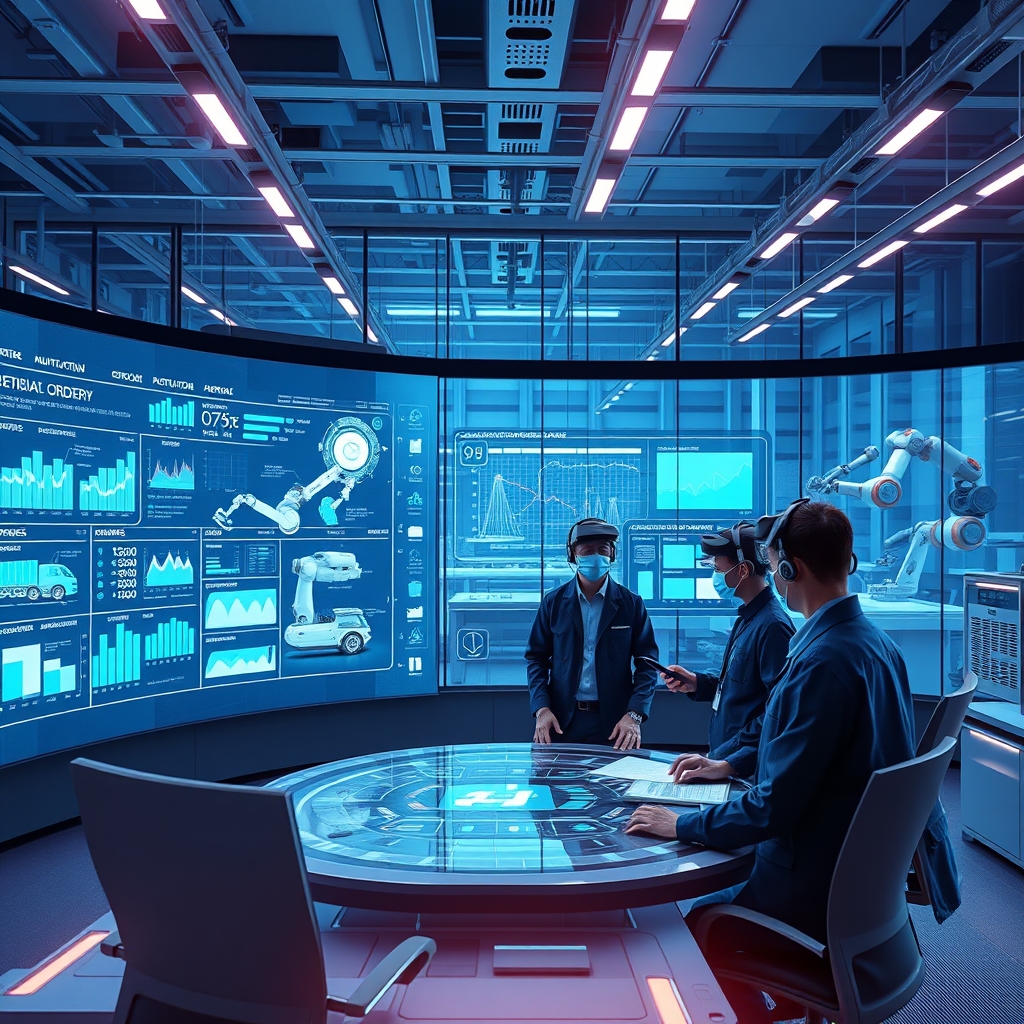
The modern manufacturing landscape is no longer defined by rigid production lines and static inventory systems. Instead, it thrives on agility, precision, and real-time adaptability—qualities that are increasingly driven by artificial intelligence. At the heart of this transformation lies AI-powered order management, a technological leap that is redefining how enterprises handle procurement, production scheduling, and supply chain fulfillment. By integrating machine learning, predictive analytics, and automation, businesses are not just optimizing their operations; they are fundamentally reshaping the way they respond to market demands.
The Rise of AI in Enterprise Procurement Platforms
Enterprise procurement platforms have long been the backbone of industrial operations, but their traditional structures often struggled with inefficiencies—manual data entry, delayed approvals, and fragmented communication. The introduction of AI has turned these platforms into dynamic, self-optimizing systems. Machine learning algorithms analyze historical data to predict demand fluctuations, while natural language processing (NLP) streamlines communication between suppliers, manufacturers, and clients. This shift is not merely about automation; it’s about creating a procurement ecosystem that learns, adapts, and evolves in real time.
For instance, AI-driven procurement platforms can now automatically adjust purchase orders based on real-time inventory levels, supplier performance, and market trends. This level of intelligence reduces overstocking and stockouts, ensuring that production lines remain uninterrupted. Moreover, AI enhances supplier relationship management by identifying the most reliable vendors, negotiating optimal terms, and even detecting potential risks before they disrupt the supply chain.
Automated Order Management: The Engine of Just-In-Time Ordering
Just-in-time (JIT) ordering has long been a gold standard in manufacturing, but its success hinges on flawless execution. AI-powered automated order management systems are making JIT more achievable than ever by eliminating human error and accelerating response times. These systems use predictive analytics to forecast demand with remarkable accuracy, ensuring that materials arrive precisely when needed—neither too early nor too late.
Consider a scenario where a sudden spike in demand for a custom-fabricated component threatens to disrupt production. An AI-driven system can instantly recalibrate orders, reroute shipments, and even suggest alternative suppliers if the primary vendor faces delays. This level of responsiveness was once unimaginable, but today, it’s becoming the norm for enterprises that embrace intelligent automation.
Real-Time Manufacturing Order Tracking: Visibility at Every Stage
One of the most significant challenges in traditional manufacturing has been the lack of visibility into order status. AI-powered manufacturing order tracking systems are changing this by providing real-time insights into every stage of production. From raw material procurement to final delivery, stakeholders can monitor progress, identify bottlenecks, and make data-driven decisions to keep operations running smoothly.
These systems leverage IoT sensors, RFID tags, and blockchain technology to create a transparent, tamper-proof record of each order. For example, a cloud-based dashboard might show that a batch of components is delayed due to a machine malfunction, allowing managers to reallocate resources or adjust timelines proactively. This level of transparency not only improves efficiency but also builds trust with clients who demand accountability in their supply chains.
The Role of Cloud Manufacturing Platforms in Scalable Production
Cloud manufacturing platforms are another critical component of the intelligent supply chain. By moving production data and order management to the cloud, enterprises gain unprecedented scalability and flexibility. These platforms enable seamless collaboration between distributed teams, suppliers, and manufacturers, breaking down geographical barriers and accelerating time-to-market.
AI enhances cloud manufacturing by automating complex tasks such as production scheduling and inventory restocking. For instance, an AI algorithm can dynamically adjust production schedules based on machine availability, labor capacity, and order priority. This ensures that high-priority orders are fulfilled first while minimizing downtime and maximizing resource utilization.
From Rapid Prototyping to Full-Scale Production
The integration of AI into rapid prototyping orders is another game-changer for custom fabrication services. Traditionally, prototyping was a time-consuming and costly process, but AI-driven systems can now simulate product designs, predict potential flaws, and optimize manufacturing processes before a single component is produced. This not only reduces waste but also accelerates innovation, allowing businesses to bring new products to market faster than ever.
Once a prototype is approved, AI-powered systems seamlessly transition into full-scale production, ensuring consistency and quality at every stage. This end-to-end automation is particularly valuable for industries like aerospace, automotive, and medical devices, where precision and reliability are non-negotiable.
The Future of Industrial Order Fulfillment
As AI continues to evolve, its impact on industrial order fulfillment will only deepen. We are moving toward a future where supply chains are not just automated but truly autonomous—capable of self-correcting, self-optimizing, and even self-healing in the face of disruptions. Enterprises that embrace these technologies will gain a competitive edge, not just in efficiency but in their ability to innovate and adapt to an ever-changing market.
The intelligent supply chain is no longer a distant vision; it is here today, reshaping the way businesses operate. By leveraging AI-powered order management, cloud manufacturing platforms, and real-time tracking, enterprises are not just keeping pace with the demands of modern industry—they are setting the standard for what’s possible. The question is no longer whether to adopt these technologies but how quickly they can be integrated to unlock their full potential. The factories of tomorrow are being built today, and they are smarter, faster, and more resilient than ever before.



