
Predictive Maintenance in Smart Manufacturing: Reducing Downtime with AI and IoT
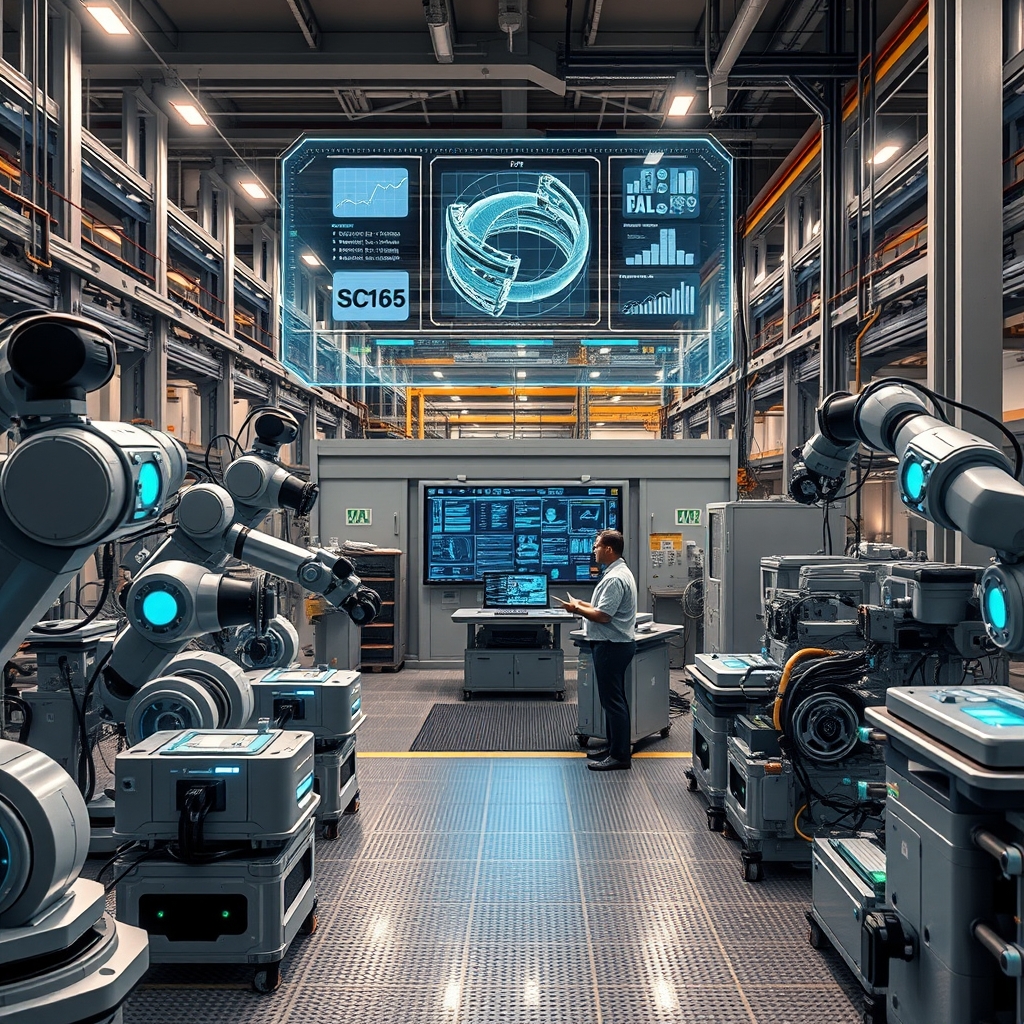
In the fast-paced world of modern manufacturing, unplanned downtime can be a costly nightmare. Factories relying on traditional maintenance schedules often face unexpected equipment failures, leading to production halts, delayed shipments, and financial losses. However, the rise of predictive maintenance in smart manufacturing is changing the game, leveraging Industrial Automation, IoT sensors, and artificial intelligence to anticipate issues before they occur.
The Evolution from Reactive to Predictive Maintenance
Historically, manufacturers followed either a reactive or preventive maintenance approach. Reactive maintenance—fixing equipment only after it breaks—often results in prolonged downtime and higher repair costs. Preventive maintenance, while more proactive, relies on scheduled inspections and part replacements, which can be inefficient and wasteful if components are replaced prematurely.
Predictive maintenance, on the other hand, uses real-time data from IoT-enabled sensors to monitor equipment health continuously. By analyzing vibration, temperature, pressure, and other performance metrics, AI algorithms can detect anomalies and predict failures before they happen. This shift not only minimizes unplanned downtime but also extends the lifespan of machinery, reducing long-term operational costs.
How AI and IoT Power Predictive Maintenance
The backbone of predictive maintenance lies in the integration of IoT sensors and machine learning. Sensors embedded in critical machinery collect vast amounts of data, which is then processed by AI models trained to recognize patterns indicative of impending failures. For example, a sudden increase in motor vibration could signal bearing wear, while abnormal heat levels might indicate electrical issues.
Cloud-based platforms aggregate this data, allowing maintenance teams to access insights remotely. Advanced analytics tools can even recommend optimal maintenance windows, ensuring repairs are conducted at the most convenient times without disrupting production schedules. Companies like Siemens, GE, and Schneider Electric have already deployed such systems, reporting significant improvements in equipment reliability and operational efficiency.
The Role of Digital Twins in Predictive Maintenance
A Digital Twin—a virtual replica of a physical asset—takes predictive maintenance to the next level. By simulating real-world conditions, digital twins allow engineers to test different scenarios and predict how equipment will perform under various stressors. For instance, if a factory plans to increase production speed, the digital twin can model the impact on machinery wear, helping teams adjust maintenance schedules accordingly.
This technology also enables remote diagnostics, where experts can troubleshoot issues without being physically present. In industries like aerospace and automotive manufacturing, where equipment is highly specialized, digital twins reduce the need for on-site inspections, saving time and resources.
Real-World Benefits of Predictive Maintenance
The advantages of predictive maintenance extend beyond just preventing breakdowns. Manufacturers adopting this approach experience:
- Cost Savings: By addressing issues early, companies avoid expensive emergency repairs and reduce spare parts inventory.
- Increased Productivity: Minimizing unplanned downtime keeps production lines running smoothly, improving overall output.
- Enhanced Safety: Predictive maintenance helps identify potential hazards, such as overheating or mechanical failures, before they pose risks to workers.
- Sustainability: Optimizing equipment performance reduces energy consumption and waste, aligning with green manufacturing goals.
For example, a study by McKinsey found that predictive maintenance can reduce maintenance costs by up to 30% and cut downtime by 45%. In industries like oil and gas, where equipment failures can have catastrophic consequences, these savings are even more critical.
Challenges and Considerations
Despite its benefits, implementing predictive maintenance is not without challenges. The initial setup requires significant investment in IoT sensors, data infrastructure, and AI training. Additionally, manufacturers must ensure data security, as sensitive operational information is transmitted and stored digitally.
Another hurdle is the need for skilled personnel who can interpret AI-driven insights and translate them into actionable maintenance strategies. Companies may need to invest in training or partner with technology providers to bridge this gap.
The Future of Predictive Maintenance
As Industry 4.0 continues to evolve, predictive maintenance will become even more sophisticated. Advances in edge computing—where data is processed closer to the source—will enable faster decision-making, while 5G connectivity will enhance real-time monitoring capabilities. Additionally, the integration of blockchain could improve data integrity, ensuring that maintenance records are tamper-proof and transparent.
For manufacturers, the message is clear: embracing predictive maintenance is no longer optional but essential for staying competitive. Those who adopt these technologies early will not only reduce downtime and costs but also position themselves as leaders in the next era of smart manufacturing. The factories of the future will be defined by their ability to anticipate challenges before they arise, turning data into a powerful tool for continuous improvement. The question is no longer whether to invest in predictive maintenance, but how quickly it can be implemented to drive lasting change.



