
The Rise of Social Commerce: How AI and Brand Authenticity Are Shaping the Future of Retail
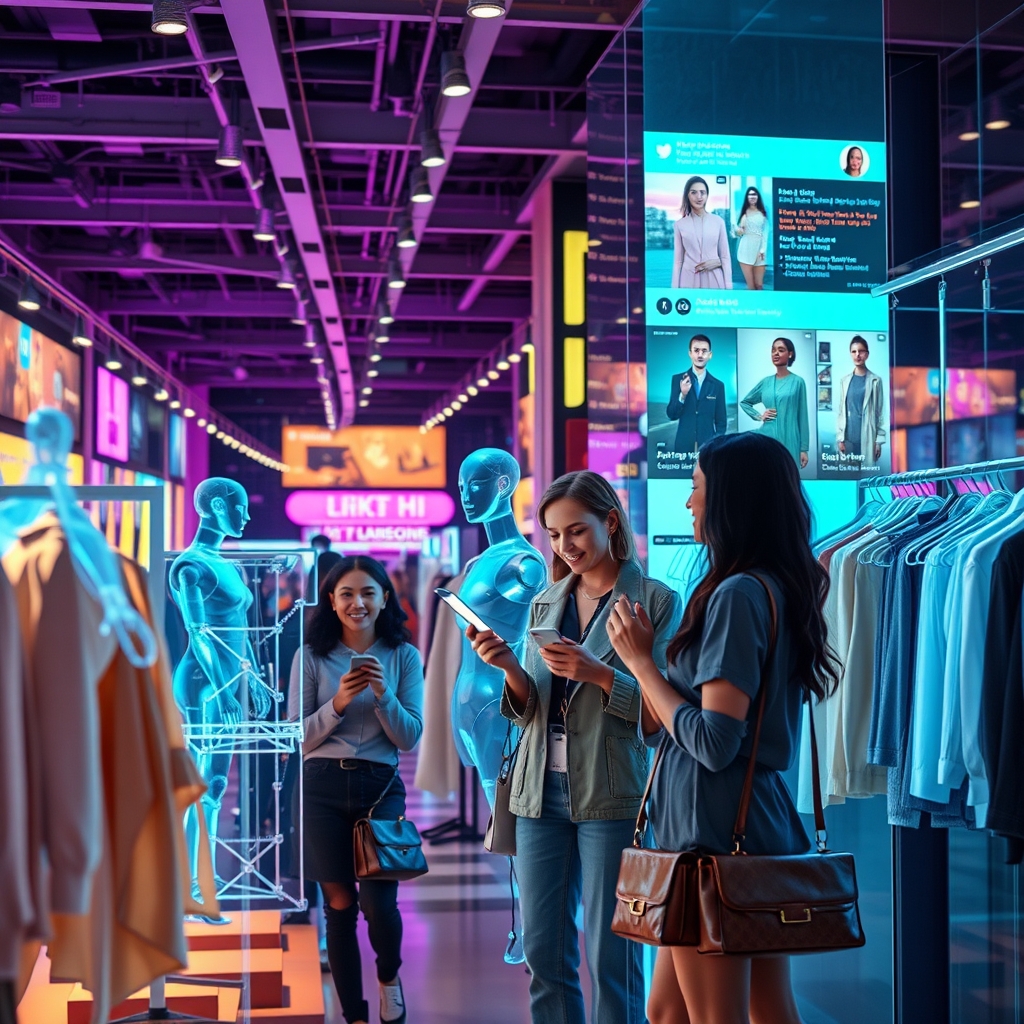
In an era where digital transformation is not just a buzzword but a business imperative, social commerce has emerged as a powerful force reshaping the retail landscape. Unlike traditional e-commerce, which relies on standalone websites or marketplaces, social commerce integrates shopping experiences directly into social media platforms. This seamless fusion of social interaction and transactional convenience is revolutionizing how consumers discover, evaluate, and purchase products. At the heart of this transformation lies the dual power of artificial intelligence (AI) and brand authenticity, two elements that are redefining the rules of engagement in the digital marketplace.
The AI Advantage: Hyper-Personalization and Predictive Modeling
Artificial intelligence is the backbone of social commerce, enabling platforms to deliver hyper-personalized experiences that were once the stuff of science fiction. By leveraging data analytics and predictive modeling, AI algorithms analyze vast amounts of user data—from browsing history and purchase behavior to social interactions and engagement patterns—to curate highly tailored product recommendations. This level of personalization goes beyond mere convenience; it creates a sense of individual connection between the consumer and the brand, fostering loyalty and driving repeat purchases.
For instance, platforms like Instagram and TikTok use AI-driven algorithms to surface products that align with a user’s interests, often before the user even realizes they want them. These recommendations are not static; they evolve in real-time based on user behavior, ensuring that the shopping experience remains dynamic and relevant. Moreover, AI-powered chatbots and virtual assistants provide instant customer support, answering queries, resolving issues, and even facilitating transactions, all within the social media ecosystem. This level of automation not only enhances customer experience but also reduces operational costs for businesses, making social commerce a win-win for both consumers and retailers.
Brand Authenticity: The Human Touch in a Digital World
While AI drives efficiency and personalization, brand authenticity is what gives social commerce its soul. In a digital world saturated with advertisements and sponsored content, consumers crave genuine connections with the brands they support. Authenticity is no longer a nice-to-have; it’s a non-negotiable element of successful social commerce strategies. Brands that prioritize transparency, ethical practices, and meaningful storytelling are the ones that stand out in the crowded social media landscape.
Take, for example, the rise of influencer marketing. Unlike traditional celebrity endorsements, influencer collaborations thrive on relatability and trust. Micro-influencers, in particular, have become powerful allies for brands because their audiences perceive them as authentic and trustworthy. When an influencer shares a product they genuinely love, their endorsement feels more like a recommendation from a friend than a paid advertisement. This authenticity translates into higher engagement rates and conversion, as consumers are more likely to trust peer recommendations over traditional marketing messages.
However, authenticity extends beyond influencer partnerships. Brands must also demonstrate their commitment to values that resonate with their audience, whether it’s sustainability, social responsibility, or inclusivity. For instance, Patagonia’s dedication to environmental causes has not only strengthened its brand identity but also fostered a loyal community of customers who share its values. In the realm of social commerce, where consumers can easily voice their opinions and hold brands accountable, authenticity is not just a marketing strategy—it’s a survival tactic.
The Role of Social Commerce in Supply Chain Resilience
Social commerce is not just transforming how products are sold; it’s also reshaping the supply chain. Traditional retail models often rely on lengthy supply chains with multiple intermediaries, which can lead to inefficiencies, delays, and increased costs. Social commerce, on the other hand, enables brands to adopt more agile and resilient supply chain strategies. By leveraging direct-to-consumer (DTC) models and dropshipping, businesses can reduce their reliance on physical inventory and streamline their operations.
AI plays a crucial role here as well. Predictive modeling allows brands to forecast demand with greater accuracy, reducing the risk of overstocking or stockouts. Additionally, real-time data analytics enable businesses to monitor supply chain performance and identify potential disruptions before they escalate. For example, if a particular product is trending on social media, brands can quickly adjust their production and distribution strategies to meet the surge in demand. This level of agility is essential in today’s fast-paced digital economy, where consumer preferences can shift overnight.
Cyber Security: Protecting the Social Commerce Ecosystem
As social commerce continues to grow, so do the risks associated with cyber security. With millions of transactions occurring on social media platforms every day, the potential for data breaches, fraud, and identity theft is a significant concern. Brands and platforms must prioritize cyber security to protect their customers and maintain trust in the social commerce ecosystem.
AI-driven security solutions are at the forefront of this battle. Machine learning algorithms can detect anomalous behavior, such as fraudulent transactions or suspicious login attempts, in real-time. These systems can also adapt and evolve to counter new threats, making them more effective than traditional rule-based security measures. Additionally, brands must invest in secure payment gateways and encryption technologies to safeguard sensitive customer data. Transparency about data privacy practices is also crucial, as consumers are increasingly wary of how their personal information is being used and shared.
The Future of Social Commerce: A Blend of Technology and Humanity
The future of social commerce lies in striking the right balance between technology and humanity. While AI and automation will continue to drive efficiency and personalization, the human element—authenticity, trust, and emotional connection—will remain the cornerstone of successful social commerce strategies. Brands that can harness the power of AI to enhance customer experiences while staying true to their values will be the ones that thrive in this evolving landscape.
Moreover, as social commerce expands, we can expect to see greater integration with other emerging technologies, such as augmented reality (AR) and virtual reality (VR). These technologies will enable consumers to virtually try on products, explore interactive shopping experiences, and even attend virtual pop-up stores, further blurring the lines between the digital and physical worlds. The possibilities are endless, but one thing is clear: social commerce is not just a trend—it’s the future of retail, and those who embrace it will be well-positioned to lead the way.
In this rapidly changing digital landscape, the brands that succeed will be those that recognize social commerce as more than just a sales channel. It’s a dynamic ecosystem where technology, authenticity, and human connection converge to create meaningful and lasting relationships with consumers. The question is no longer whether to embrace social commerce, but how to do so in a way that aligns with your brand’s values and resonates with your audience. The time to act is now, as the future of retail is being written in real-time, one social interaction at a time.



