
The Future of Talent Acquisition: How AI and Data Analytics Are Revolutionizing Hiring
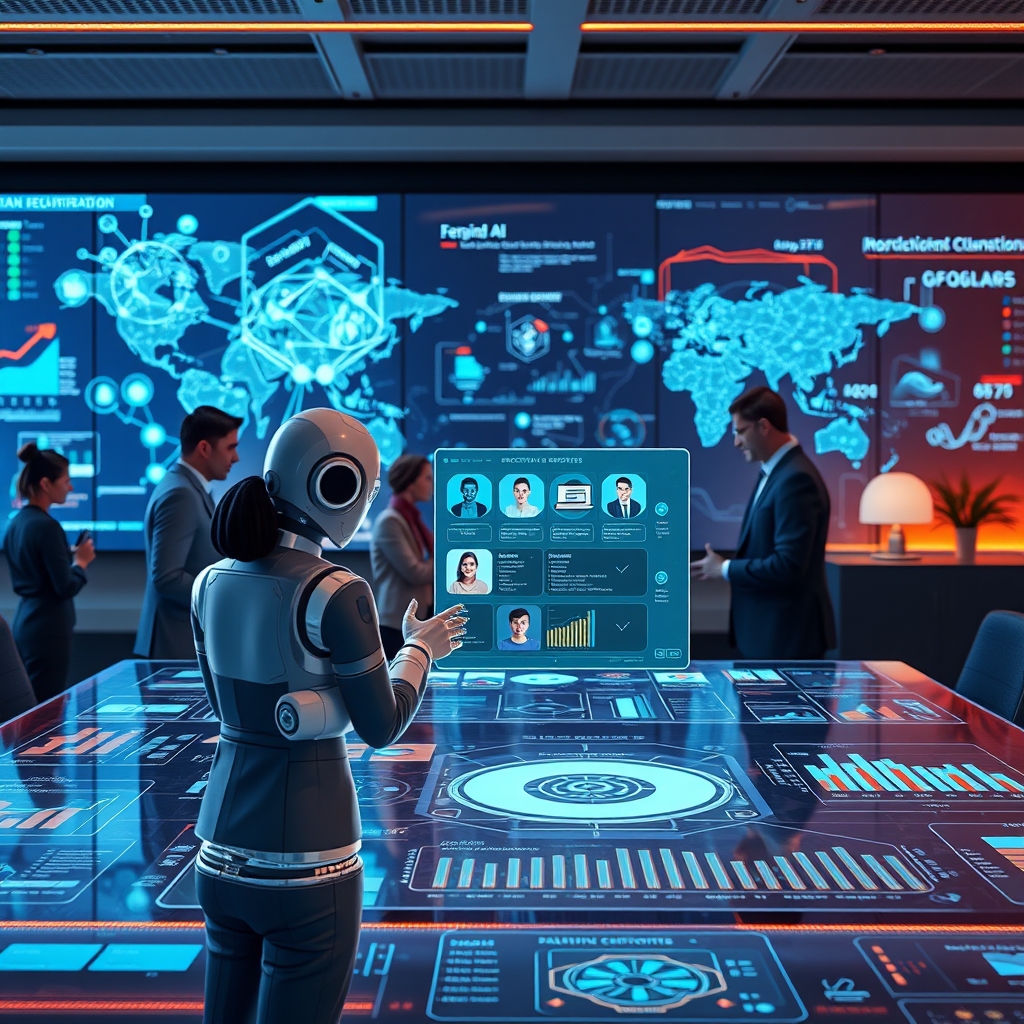
In an era where digital transformation is reshaping industries at an unprecedented pace, talent acquisition has emerged as a critical battleground for organizations striving to stay ahead. The traditional methods of hiring—reliant on manual resume screening, gut-feel interviews, and outdated job descriptions—are no longer sufficient to meet the demands of a dynamic, skills-driven economy. Enter artificial intelligence (AI) and data analytics, two technological powerhouses that are redefining how companies identify, attract, and retain top talent. By leveraging these tools, businesses are not only streamlining their hiring processes but also making them more equitable, efficient, and aligned with long-term strategic goals.
The AI Advantage in Talent Acquisition
Artificial intelligence is transforming talent acquisition by automating repetitive tasks and providing deeper insights into candidate suitability. AI-powered applicant tracking systems (ATS) can sift through thousands of resumes in seconds, identifying keywords, skills, and experiences that match the job requirements. This not only saves time but also reduces human bias, ensuring that candidates are evaluated based on their qualifications rather than subjective impressions. For instance, tools like HireVue and Pymetrics use AI-driven assessments to analyze candidates’ cognitive abilities, emotional intelligence, and cultural fit, providing a more holistic view of their potential.
Beyond resume screening, AI is also enhancing the candidate experience. Chatbots and virtual assistants, such as Mya and Olivia, engage with applicants in real-time, answering questions, scheduling interviews, and providing feedback. This level of responsiveness not only improves the candidate’s perception of the company but also frees up recruiters to focus on more strategic aspects of their roles. Moreover, AI-driven predictive analytics can forecast a candidate’s likelihood of success in a role, reducing turnover rates and improving overall hiring quality.
Data Analytics: The Backbone of Strategic Hiring
While AI handles the operational heavy lifting, data analytics provides the strategic framework for talent acquisition. By analyzing historical hiring data, companies can identify patterns and trends that inform their recruitment strategies. For example, data analytics can reveal which sourcing channels yield the highest-quality candidates, allowing recruiters to allocate their budgets more effectively. It can also highlight demographic trends, such as the underrepresentation of certain groups in the hiring pipeline, enabling organizations to take proactive steps toward diversity and inclusion.
Predictive modeling, a subset of data analytics, takes this a step further by forecasting future hiring needs. By analyzing factors such as employee turnover rates, business growth projections, and market trends, companies can anticipate their talent requirements and build a pipeline of candidates before positions even open up. This proactive approach not only reduces time-to-hire but also ensures that organizations are always prepared to meet their evolving business needs.
Data analytics also plays a crucial role in employer branding. By tracking metrics such as candidate drop-off rates, application completion rates, and social media engagement, companies can gauge the effectiveness of their recruitment marketing efforts. This data-driven approach allows organizations to refine their messaging, optimize their career sites, and create a compelling employer value proposition that resonates with top talent.
The Role of Hyper-Personalization in Attracting Top Talent
In a competitive job market, generic job postings and one-size-fits-all recruitment strategies no longer cut it. Today’s candidates expect a personalized experience that speaks to their unique skills, aspirations, and values. Hyper-personalization, powered by AI and data analytics, is making this possible. By analyzing a candidate’s digital footprint—such as their LinkedIn profile, portfolio, or even their interactions with a company’s website—AI can tailor job recommendations, interview questions, and even salary offers to align with their preferences.
For example, AI-driven platforms like Eightfold and Ideal use machine learning to match candidates with roles that fit their career trajectories, not just their current skills. This level of personalization not only increases the likelihood of a successful hire but also enhances the candidate’s experience, making them more likely to accept an offer and remain engaged with the company long-term. Moreover, hyper-personalization extends beyond the hiring process. AI can help companies create personalized onboarding experiences, career development plans, and even retention strategies, ensuring that employees feel valued and supported from day one.
Overcoming Challenges and Ethical Considerations
While the benefits of AI and data analytics in talent acquisition are undeniable, their implementation is not without challenges. One of the primary concerns is the potential for algorithmic bias. If the data used to train AI models is biased, the outcomes will be too, perpetuating existing inequalities in the hiring process. To mitigate this risk, companies must ensure that their AI tools are trained on diverse, representative datasets and regularly audited for bias. Additionally, human oversight remains critical to ensure that AI-driven decisions align with ethical and legal standards.
Another challenge is data privacy. With AI and data analytics relying on vast amounts of personal information, companies must prioritize the security and confidentiality of candidate data. This means adhering to regulations such as the General Data Protection Regulation (GDPR) and implementing robust cybersecurity measures to protect against data breaches. Transparency is also key—candidates should be informed about how their data is being used and given the option to opt out if they choose.
The Future of Talent Acquisition: A Human-AI Partnership
The future of talent acquisition lies in striking the right balance between human intuition and AI-driven efficiency. While AI and data analytics can handle the heavy lifting of sourcing, screening, and matching candidates, human recruiters bring the emotional intelligence, creativity, and strategic thinking that machines cannot replicate. By embracing this partnership, companies can create a hiring process that is not only faster and more efficient but also more human-centric and inclusive.
As organizations continue to navigate the complexities of the modern workforce, the integration of AI and data analytics into talent acquisition will no longer be a competitive advantage but a necessity. Those that fail to adapt risk falling behind in the race for top talent, while those that embrace these technologies will be well-positioned to build agile, diverse, and high-performing teams. The question is no longer whether AI and data analytics will transform talent acquisition, but how quickly and effectively companies can harness their power to shape the future of work.



