
Building Supply Chain Resilience in the Age of AI and Digital Transformation
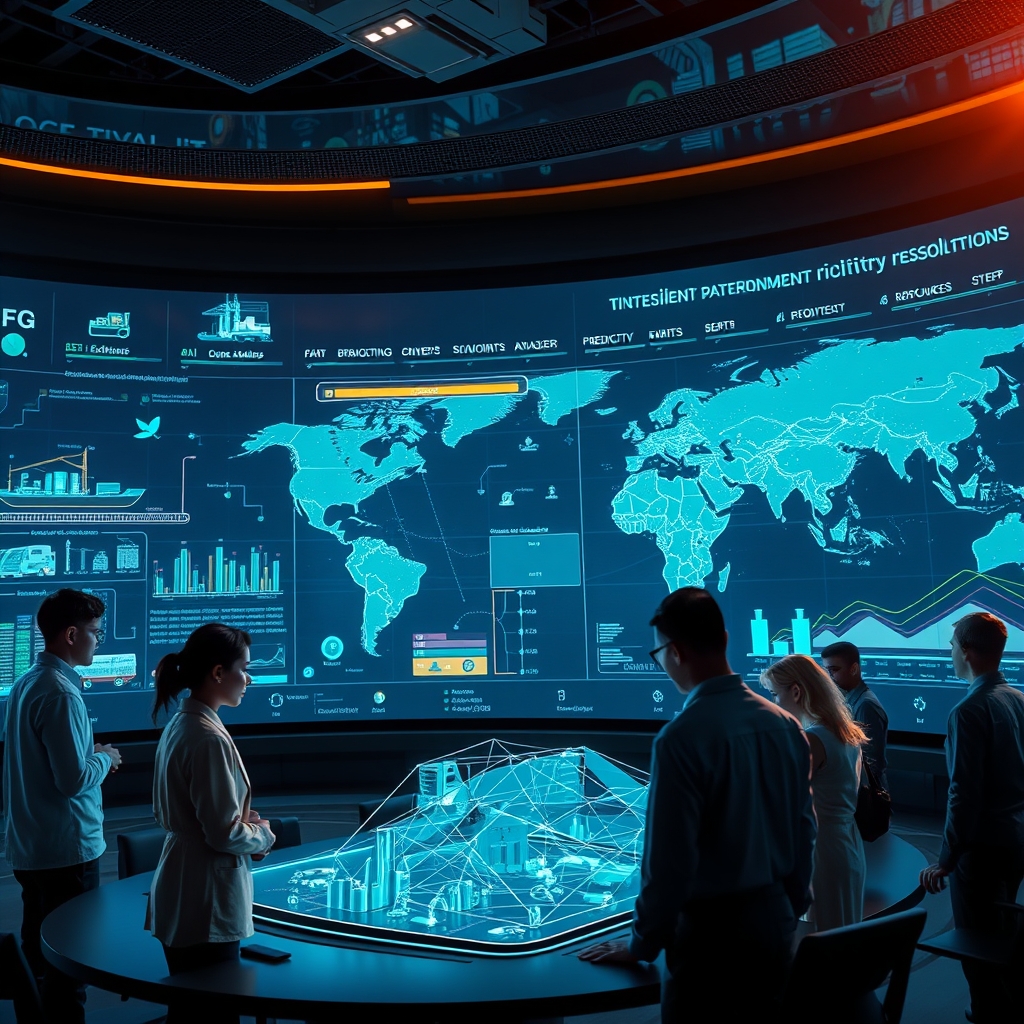
The modern supply chain is no longer a linear path from supplier to consumer but a complex, interconnected web of global relationships. Disruptions—whether from geopolitical tensions, natural disasters, or pandemics—can ripple through this web with devastating speed. The question for businesses today is not if another disruption will occur, but when. The answer lies in leveraging artificial intelligence and digital transformation to build resilience into the very fabric of supply chain operations.
The Vulnerability of Traditional Supply Chains
For decades, supply chains were optimized for efficiency and cost reduction, often at the expense of flexibility. Just-in-time inventory models, lean manufacturing, and single-source supplier relationships became the norm, leaving little room for error. The COVID-19 pandemic exposed these vulnerabilities in stark relief. Factories shuttered, shipping containers piled up in ports, and critical components became scarce overnight. Businesses that had prioritized resilience over sheer efficiency fared better, but many were caught flat-footed.
This wake-up call has forced companies to rethink their approach. Resilience is no longer a secondary consideration—it’s a strategic imperative. The challenge is how to achieve it without sacrificing the cost and operational benefits that made traditional supply chains so attractive in the first place.
The Role of AI in Predictive Modeling and Risk Mitigation
Artificial intelligence is emerging as a game-changer in supply chain resilience. By analyzing vast amounts of data—from weather patterns and geopolitical events to social media sentiment and historical performance—AI-powered predictive modeling can identify potential disruptions before they materialize. For example, machine learning algorithms can forecast delays in shipping routes by correlating real-time data from GPS trackers, port congestion reports, and even local news events. This allows businesses to proactively reroute shipments, adjust inventory levels, or secure alternative suppliers.
Beyond prediction, AI enables real-time decision-making. Digital twins—virtual replicas of physical supply chains—allow companies to simulate disruptions and test mitigation strategies in a risk-free environment. If a hurricane is forecasted to hit a key manufacturing hub, a digital twin can model the impact on production and distribution, enabling leaders to make data-driven decisions about rerouting resources or activating backup suppliers. This level of agility was unimaginable in the pre-AI era.
Case Study: How Maersk Uses AI to Navigate Disruptions
Maersk, the global shipping giant, provides a compelling example of AI-driven resilience. During the Suez Canal blockage in 2021, the company used AI to dynamically reroute hundreds of vessels, minimizing delays and financial losses. By integrating real-time data from satellites, weather forecasts, and port authorities, Maersk’s AI system could calculate the most efficient alternative routes, factoring in fuel costs, transit times, and potential bottlenecks. The result? A 30% reduction in delays compared to competitors who relied on traditional, manual planning methods.
Digital Transformation: The Backbone of Resilient Supply Chains
While AI is a powerful tool, it’s only as effective as the digital infrastructure supporting it. Digital transformation—encompassing cloud migration, IoT integration, and enterprise automation—provides the foundation for a resilient supply chain. Cloud-based platforms enable seamless collaboration across global teams, ensuring that everyone from procurement to logistics has access to the same real-time data. IoT devices, such as smart sensors on shipping containers, provide granular visibility into the movement and condition of goods, reducing the risk of loss or damage.
Enterprise automation further enhances resilience by reducing human error and accelerating response times. Robotic process automation (RPA) can handle repetitive tasks like order processing or invoice reconciliation, freeing up employees to focus on strategic decision-making. Meanwhile, automated alerts can trigger immediate actions when anomalies are detected—such as a sudden spike in demand or a delay at a customs checkpoint—ensuring that issues are addressed before they escalate.
The Human Factor: Talent Acquisition and Upskilling
Technology alone cannot guarantee resilience. The human element—skilled professionals who can interpret data, manage AI systems, and make critical decisions—is equally vital. Talent acquisition in the digital age requires a shift in mindset. Companies need employees who are not only technically proficient but also adaptable, creative, and capable of thinking strategically in high-pressure situations.
Upskilling existing employees is just as important as hiring new talent. Programs that teach workers how to leverage AI tools, analyze predictive models, and collaborate with digital systems can bridge the skills gap. For example, a logistics manager who understands how to use AI-driven demand forecasting can make more informed decisions about inventory levels, reducing the risk of stockouts or overstocking. Investing in talent is an investment in resilience.
Sustainable Development and the Circular Economy
Resilience isn’t just about surviving disruptions—it’s also about thriving in the long term. Sustainable development and the circular economy are increasingly recognized as key components of supply chain resilience. By designing products for reuse, recycling, or remanufacturing, companies can reduce their dependence on finite resources and mitigate the impact of supply chain shocks. For instance, a manufacturer that relies on recycled materials is less vulnerable to price fluctuations or shortages in raw materials.
AI can play a role here as well. Predictive modeling can identify opportunities to optimize resource use, reduce waste, and lower carbon emissions. For example, AI can analyze production data to determine the most efficient use of materials, minimizing scrap and improving yield. Similarly, machine learning can optimize transportation routes to reduce fuel consumption and emissions, aligning resilience with sustainability goals.
Unilever’s Sustainable Living Plan: A Blueprint for Resilience
Unilever’s Sustainable Living Plan demonstrates how sustainability and resilience go hand in hand. The company has committed to making all its plastic packaging reusable, recyclable, or compostable by 2025. To achieve this, Unilever uses AI to track the lifecycle of its products, from raw material sourcing to end-of-life disposal. This not only reduces environmental impact but also insulates the company from supply chain disruptions. For example, by sourcing recycled plastic, Unilever reduces its reliance on virgin materials, which are subject to price volatility and geopolitical risks.
As businesses navigate an increasingly uncertain world, the ability to anticipate, adapt, and recover from disruptions will separate the leaders from the laggards. The tools and technologies to build resilient supply chains already exist—what’s needed is the vision to implement them strategically. Companies that embrace AI, digital transformation, and sustainable practices will not only weather the storms of today but also lay the groundwork for a more agile and adaptive future. The question is no longer whether resilience is necessary, but how quickly businesses can make it a reality.



