
Just-In-Time Ordering Meets Digital Precision: How Automated Systems Are Reshaping Batch Production Services
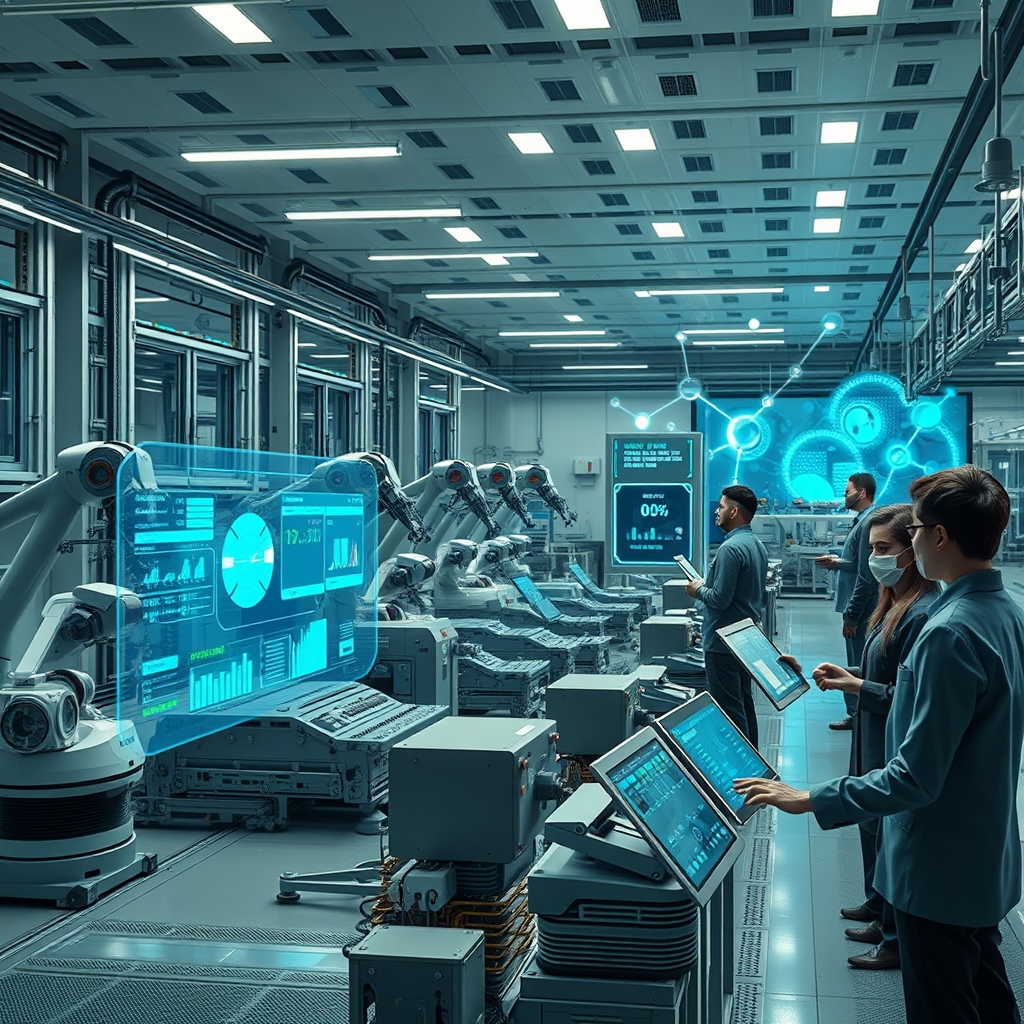
In an era where speed and customization define market success, traditional manufacturing models are being outpaced by agile, data-driven alternatives. The convergence of Just-In-Time (JIT) ordering and automated order management is not just a trend—it’s a fundamental shift in how businesses approach batch production services. This transformation is enabling companies to reduce waste, optimize inventory, and respond to demand with unprecedented accuracy. But how exactly are these systems working together to redefine production, and what does it mean for enterprises navigating the complexities of modern supply chains?
The Core Principles of Just-In-Time Ordering
Just-In-Time ordering is built on the principle of producing only what is needed, when it is needed, and in the exact quantity required. Originating from Toyota’s lean manufacturing philosophy, JIT minimizes inventory costs and reduces the risk of overproduction. However, its effectiveness hinges on one critical factor: real-time data. Without accurate demand forecasting and seamless communication across the supply chain, JIT can quickly become a liability rather than an asset.
This is where digital supply networks and automated order management systems step in. By integrating procurement, production, and fulfillment into a single, interconnected ecosystem, businesses can now execute JIT strategies with a level of precision that was previously unattainable. For example, sensors and IoT devices track inventory levels in real time, triggering automated purchase orders when stock dips below predefined thresholds. This eliminates the guesswork and manual intervention that once plagued JIT implementation, making it a viable strategy even for industries with complex or fluctuating demand patterns.
Automating the Backbone: How Order Management Systems Enhance JIT
The backbone of any successful JIT strategy is a robust order management system (OMS). Modern OMS platforms go beyond simple order processing—they act as the central nervous system of production, coordinating everything from purchase order automation to manufacturing order tracking. These systems leverage AI and machine learning to analyze historical data, predict demand, and dynamically adjust production schedules. The result? Fewer stockouts, reduced lead times, and lower carrying costs.
One of the most significant advantages of automated OMS is its ability to integrate with contract manufacturing orders and custom fabrication services. For instance, a company specializing in rapid prototyping orders can use an OMS to automatically route designs to the most suitable manufacturer based on capacity, cost, and turnaround time. This level of automation not only accelerates production but also ensures consistency and quality across multiple suppliers. Moreover, features like production scheduling software allow businesses to visualize their entire workflow, identifying bottlenecks and optimizing resource allocation in real time.
The Role of Cloud Manufacturing Platforms
Cloud-based solutions are the linchpin of this new manufacturing paradigm. Cloud manufacturing platforms provide the scalability and flexibility needed to support JIT and automated order management. Unlike traditional on-premise systems, cloud platforms enable seamless collaboration between suppliers, manufacturers, and distributors, regardless of geographic location. This is particularly valuable for enterprises managing wholesale production ordering or original equipment ordering, where coordination across multiple stakeholders is essential.
These platforms also facilitate digital supply networks, which are essentially interconnected ecosystems of suppliers, manufacturers, and logistics providers. By sharing data in real time, these networks enable businesses to respond swiftly to changes in demand or supply chain disruptions. For example, if a key supplier experiences a delay, the system can automatically reroute orders to an alternative provider, minimizing downtime and ensuring continuity. This level of agility is a game-changer for industries where time-to-market is a critical competitive advantage.
Overcoming Challenges: The Human Element in an Automated World
While automation and JIT offer undeniable benefits, their implementation is not without challenges. One of the most significant hurdles is the cultural shift required within organizations. Employees accustomed to traditional workflows may resist change, particularly if they perceive automation as a threat to their roles. To address this, companies must invest in training and change management initiatives that emphasize the collaborative nature of human-machine workflows. Automation is not about replacing people—it’s about empowering them to focus on higher-value tasks, such as innovation and problem-solving.
Another challenge lies in data integrity. Automated systems rely on accurate, up-to-date information to function effectively. Inaccurate data can lead to costly errors, such as overproduction or stockouts. To mitigate this risk, businesses must implement robust data governance policies and invest in technologies like blockchain to ensure transparency and traceability across the supply chain. Additionally, integrating inventory restocking systems with automated OMS can help maintain data accuracy by providing real-time visibility into stock levels and demand patterns.
The Future of Batch Production: Smarter, Faster, and More Sustainable
The fusion of JIT ordering and automated order management is not just improving efficiency—it’s also driving sustainability. By producing only what is needed, companies can significantly reduce waste, energy consumption, and carbon emissions. This aligns with the growing demand for environmentally responsible manufacturing practices, particularly among consumers and regulators. For example, print-on-demand services eliminate the need for large print runs, reducing paper waste and unsold inventory. Similarly, cloud manufacturing platforms enable businesses to optimize transportation routes, further lowering their environmental footprint.
Looking ahead, the integration of AI and predictive analytics will take these systems to the next level. Imagine a scenario where an AI-driven OMS not only predicts demand but also recommends the most sustainable materials and production methods for each order. This level of intelligence could revolutionize industries like fashion, electronics, and automotive, where customization and sustainability are increasingly intertwined. As these technologies mature, the line between JIT and on-demand manufacturing will continue to blur, creating a future where production is not just responsive but also inherently sustainable.
The journey toward fully automated, JIT-driven production is still evolving, but the direction is clear. Businesses that embrace these technologies today will be the ones shaping the future of manufacturing tomorrow. By leveraging the power of digital supply networks, cloud platforms, and intelligent automation, they can turn the challenges of modern production into opportunities for growth, innovation, and long-term success. The key lies in striking the right balance between technology and human ingenuity, ensuring that every order—whether a single prototype or a wholesale batch—is executed with precision, efficiency, and purpose.



