
Optimizing Industrial Efficiency: The Role of Enterprise Resource Planning in Smart Manufacturing
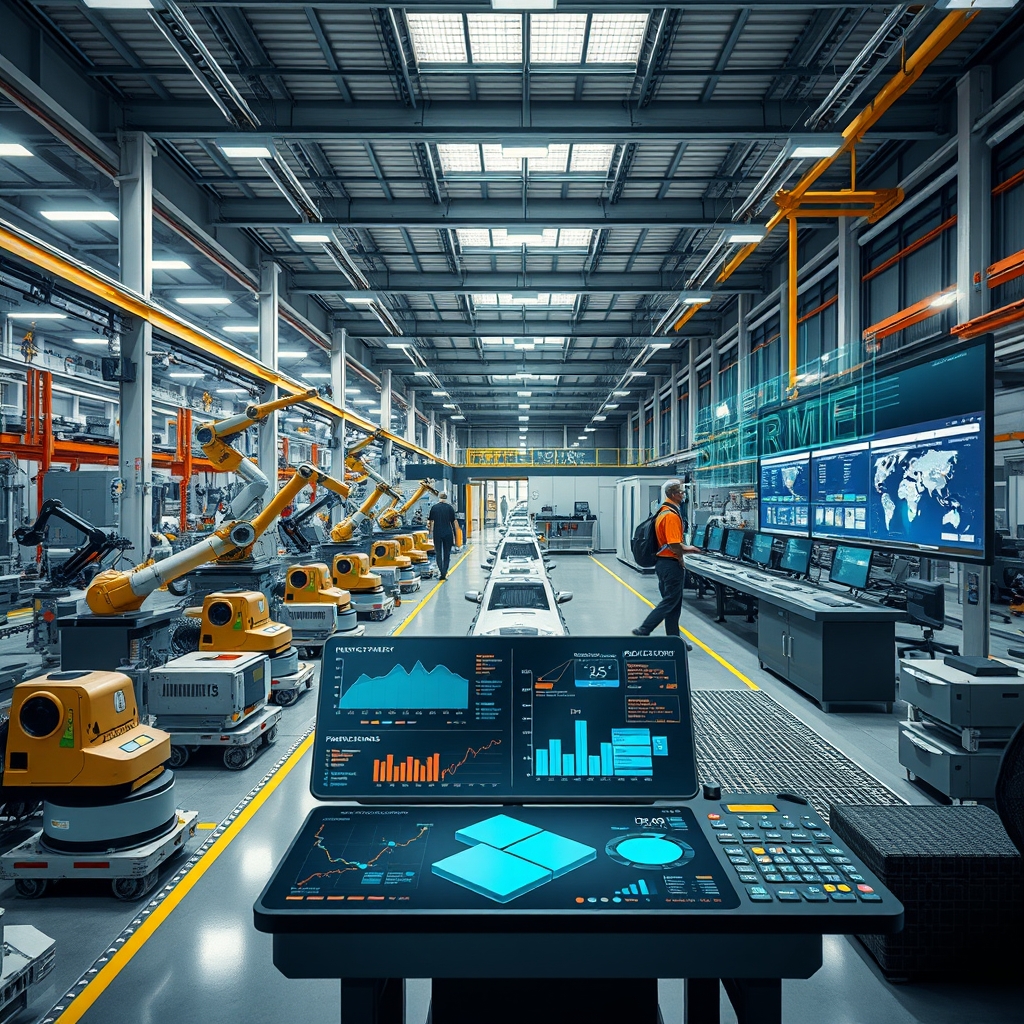
In the rapidly evolving landscape of modern manufacturing, businesses are increasingly turning to advanced technologies to streamline operations, enhance productivity, and maintain a competitive edge. Among these technologies, Enterprise Resource Planning (ERP) systems have emerged as a cornerstone of smart manufacturing, integrating various facets of production, supply chain logistics, and asset management into a cohesive, data-driven framework. By unifying disparate processes, ERP systems enable manufacturers to achieve unprecedented levels of efficiency, agility, and precision.
The Evolution of ERP in Manufacturing
Enterprise Resource Planning has come a long way since its inception as a tool primarily focused on inventory management and financial tracking. Today, ERP systems are sophisticated platforms that encompass a wide range of functionalities, including production planning, quality control, procurement, and customer relationship management. The integration of ERP with other cutting-edge technologies, such as the Internet of Things (IoT), Artificial Intelligence (AI), and Digital Twin Technology, has further amplified its impact on smart manufacturing.
One of the most significant advancements in ERP is its ability to facilitate real-time data exchange across departments. This seamless flow of information allows manufacturers to make informed decisions quickly, reducing lead times and minimizing operational bottlenecks. For instance, when a production line experiences a delay, the ERP system can automatically adjust schedules, reallocate resources, and notify relevant stakeholders, ensuring that the entire operation remains on track.
Enhancing Supply Chain Logistics and Inventory Optimization
A well-implemented ERP system is instrumental in optimizing supply chain logistics and inventory management. By providing end-to-end visibility into the supply chain, ERP systems enable manufacturers to track raw materials, work-in-progress inventory, and finished goods with precision. This level of transparency is crucial for reducing excess inventory, preventing stockouts, and improving demand forecasting.
Moreover, ERP systems can integrate with Warehouse Robotics and Automated Guided Vehicles (AGVs) to further enhance efficiency. For example, when a shipment of raw materials arrives, the ERP system can trigger automated warehouse systems to sort, store, and retrieve items without human intervention. This not only accelerates the process but also reduces the risk of errors and labor costs. Additionally, ERP-driven analytics can identify patterns in supply chain disruptions, allowing manufacturers to proactively address potential issues before they escalate.
The Role of ERP in Predictive Maintenance and Asset Lifecycle Management
Predictive maintenance is another area where ERP systems are making a profound impact. By leveraging data from IoT sensors embedded in machinery, ERP systems can monitor equipment health in real time and predict potential failures before they occur. This proactive approach minimizes unplanned downtime, extends the lifespan of assets, and reduces maintenance costs. For manufacturers, this translates into higher overall equipment effectiveness (OEE) and improved operational reliability.
Asset Lifecycle Management (ALM) is closely tied to predictive maintenance, as ERP systems provide a centralized platform for tracking the entire lifecycle of an asset—from procurement to disposal. By maintaining a comprehensive record of each asset’s performance, maintenance history, and depreciation, manufacturers can optimize their capital expenditures and ensure that equipment is utilized to its fullest potential. This holistic view of assets also supports compliance with regulatory requirements and sustainability goals, as it enables better tracking of energy consumption and waste reduction efforts.
Driving Agile Manufacturing and Mass Customization
In today’s market, consumer demands are more diverse and dynamic than ever before. Manufacturers must be able to respond quickly to changing preferences, which requires a high degree of flexibility in production processes. ERP systems play a pivotal role in enabling Agile Manufacturing by providing the tools needed to adjust production schedules, reconfigure workflows, and introduce new product variants with minimal disruption.
Mass customization, a strategy that combines the efficiency of mass production with the personalization of custom-made products, is another area where ERP systems excel. By integrating customer orders directly into the production planning process, ERP systems allow manufacturers to produce tailored products at scale. For example, an automotive manufacturer using an ERP system can efficiently manage the production of vehicles with varying features, colors, and configurations, all while maintaining high levels of efficiency and quality.
Quality Control Systems and Sustainable Practices
Quality control is a critical aspect of manufacturing, and ERP systems enhance this process by providing real-time monitoring and automated reporting. By integrating Quality Control Systems with ERP, manufacturers can track defects, analyze root causes, and implement corrective actions more effectively. This not only improves product quality but also reduces waste and rework, contributing to Lean Production principles.
Sustainability is another key consideration for modern manufacturers, and ERP systems are instrumental in supporting Green Manufacturing initiatives. By tracking energy consumption, material usage, and waste generation, ERP systems provide the data needed to identify opportunities for reducing environmental impact. For instance, an ERP system can highlight areas where sustainable packaging materials can be adopted or where energy-efficient processes can be implemented, aligning manufacturing operations with broader corporate sustainability goals.
The Future of ERP in Smart Manufacturing
As smart manufacturing continues to evolve, the role of ERP systems will only become more critical. The integration of AI and machine learning will further enhance the predictive capabilities of ERP, enabling even more accurate demand forecasting, maintenance scheduling, and production optimization. Additionally, the rise of Digital Twin Technology will allow manufacturers to create virtual replicas of their physical operations, providing a sandbox for testing and refining processes before implementation.
The convergence of ERP with other Industry 4.0 technologies will also drive greater collaboration across the supply chain. For example, ERP systems can facilitate seamless communication between manufacturers, suppliers, and customers, creating a more responsive and resilient ecosystem. This interconnectedness will be particularly valuable in navigating the complexities of global supply chains, where disruptions can have far-reaching consequences.
Manufacturers who embrace ERP as a strategic tool will not only enhance their operational efficiency but also position themselves for long-term success in an increasingly competitive and dynamic market. The ability to harness data, automate processes, and adapt to changing conditions will be the defining factors that separate industry leaders from the rest. As technology continues to advance, the potential for ERP to transform manufacturing is limitless, offering a pathway to smarter, more sustainable, and more agile operations that can meet the demands of the future head-on.



