
Sustainable Packaging and Green Manufacturing: The Path to Eco-Friendly Industrial Automation
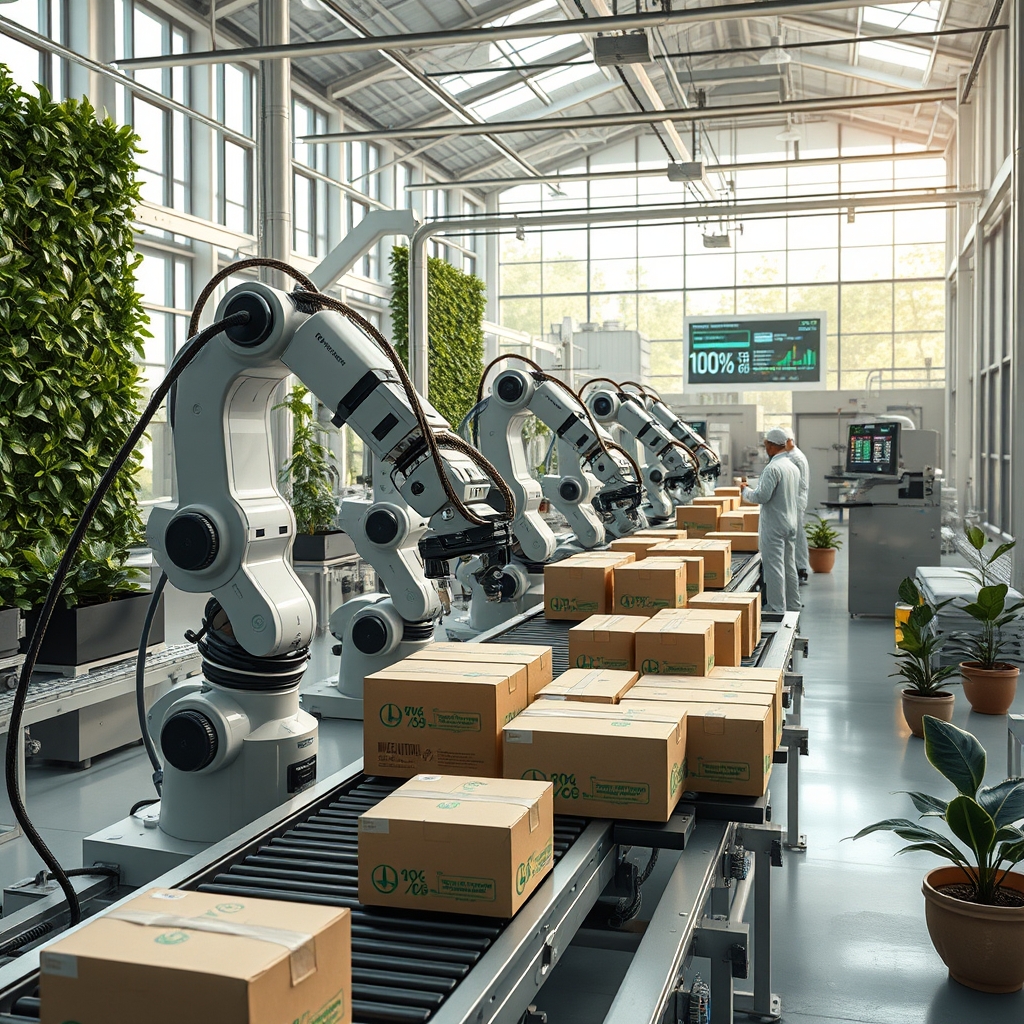
In an era where environmental sustainability is no longer optional but a necessity, industries worldwide are rethinking their operations to minimize ecological footprints. At the intersection of innovation and responsibility lies green manufacturing, a paradigm that integrates eco-friendly practices into every stage of production. One of its most visible and impactful facets is sustainable packaging, which is transforming how products are designed, shipped, and consumed. As companies strive to meet regulatory demands and consumer expectations, the fusion of industrial automation with sustainability is proving to be a game-changer.
The Rise of Sustainable Packaging in Modern Manufacturing
Sustainable packaging goes beyond merely replacing plastic with paper. It encompasses a holistic approach that considers material sourcing, production efficiency, recyclability, and end-of-life disposal. Traditional packaging solutions, often derived from fossil fuels, contribute significantly to pollution and waste. In contrast, sustainable alternatives leverage biodegradable, compostable, or recycled materials, reducing landfill contributions and ocean pollution. For instance, bioplastics made from cornstarch or algae are gaining traction, offering comparable durability to conventional plastics without the environmental toll.
Moreover, sustainable packaging is not just about the materials—it’s about the process. Lean production principles play a crucial role here, minimizing waste during manufacturing. By optimizing material usage and reducing excess packaging, companies can lower costs while enhancing their green credentials. Automation further amplifies these benefits by ensuring precision in packaging design and application, reducing material overuse, and improving consistency in quality.
How Industrial Automation Enhances Green Manufacturing
The integration of factory automation into green manufacturing is a natural evolution. Automated systems enable manufacturers to monitor and control energy consumption in real time, identifying inefficiencies and reducing waste. For example, smart sensors can adjust machinery operations based on demand, preventing unnecessary energy expenditure. This level of control is particularly valuable in high-volume production environments, where even minor inefficiencies can lead to significant resource waste.
Another key advantage of automation is its ability to facilitate predictive maintenance. By leveraging IoT devices and AI-driven analytics, manufacturers can anticipate equipment failures before they occur, reducing downtime and extending the lifespan of machinery. This not only improves operational efficiency but also minimizes the environmental impact of manufacturing by reducing the need for replacement parts and the energy required to produce them.
Automation also supports inventory optimization, a critical component of sustainable manufacturing. By using advanced algorithms to predict demand and manage stock levels, companies can avoid overproduction, which often leads to excess inventory and waste. Automated warehouses, equipped with warehouse robotics, further streamline operations by ensuring that materials and products are stored and retrieved efficiently, reducing energy consumption and improving overall productivity.
The Role of Digital Twin Technology in Sustainable Manufacturing
Digital twin technology is emerging as a powerful tool in the quest for sustainability. A digital twin is a virtual replica of a physical system, process, or product, allowing manufacturers to simulate and optimize operations in a risk-free environment. By creating a digital twin of a production line, companies can test different scenarios to identify the most sustainable practices without disrupting actual operations.
For example, a digital twin can simulate the impact of switching to a new, eco-friendly material, assessing its performance, cost, and environmental benefits before implementation. This technology also enables manufacturers to optimize energy usage, reduce emissions, and improve resource efficiency by identifying bottlenecks and inefficiencies in real time. As a result, digital twins are becoming an indispensable part of agile manufacturing, where adaptability and sustainability go hand in hand.
Challenges and Opportunities in Sustainable Packaging
Despite its benefits, the transition to sustainable packaging is not without challenges. One of the primary hurdles is the cost of eco-friendly materials, which can be significantly higher than traditional options. However, as demand for sustainable solutions grows, economies of scale are beginning to drive prices down. Additionally, governments and regulatory bodies are introducing incentives and mandates to encourage the adoption of green practices, further leveling the playing field.
Another challenge lies in consumer perception. While many consumers are increasingly eco-conscious, there is still a segment that prioritizes cost and convenience over sustainability. To address this, companies are investing in education and marketing campaigns to highlight the long-term benefits of sustainable packaging, such as reduced environmental impact and improved brand reputation. Transparency in sourcing and production processes is also key, as consumers are more likely to support brands that demonstrate a genuine commitment to sustainability.
Integrating Sustainability into the Supply Chain
Sustainability in manufacturing extends beyond the factory floor—it encompasses the entire supply chain logistics. From raw material procurement to final product delivery, every stage offers opportunities to reduce environmental impact. For instance, sourcing materials locally can significantly cut transportation emissions, while partnering with suppliers that adhere to sustainable practices ensures that the entire supply chain aligns with green manufacturing goals.
Automation plays a pivotal role in optimizing supply chain logistics. AI-driven enterprise resource planning (ERP) systems can analyze vast amounts of data to identify the most efficient routes for transportation, reducing fuel consumption and emissions. Additionally, automated warehouses equipped with robotics can improve order fulfillment accuracy, minimizing the need for returns and the associated environmental costs.
Collaboration is also essential in building a sustainable supply chain. Manufacturers, suppliers, and logistics providers must work together to share data, best practices, and innovations. By fostering a culture of sustainability across the supply chain, companies can amplify their impact and drive industry-wide change.
The journey toward sustainable packaging and green manufacturing is not just about compliance or corporate social responsibility—it’s about future-proofing industries in a world where resources are finite and environmental stewardship is paramount. As technology continues to advance, the possibilities for innovation in this space are limitless. From biodegradable materials to AI-driven automation, the tools to create a more sustainable future are already at our disposal. The question is no longer whether industries can afford to adopt these practices, but whether they can afford not to. By embracing sustainability as a core principle, manufacturers can not only reduce their environmental impact but also unlock new opportunities for growth, efficiency, and long-term success.



