
The Pulse of Modern Business: How Real-Time Dashboards and Adaptive Culture Drive Holistic Business Optimization
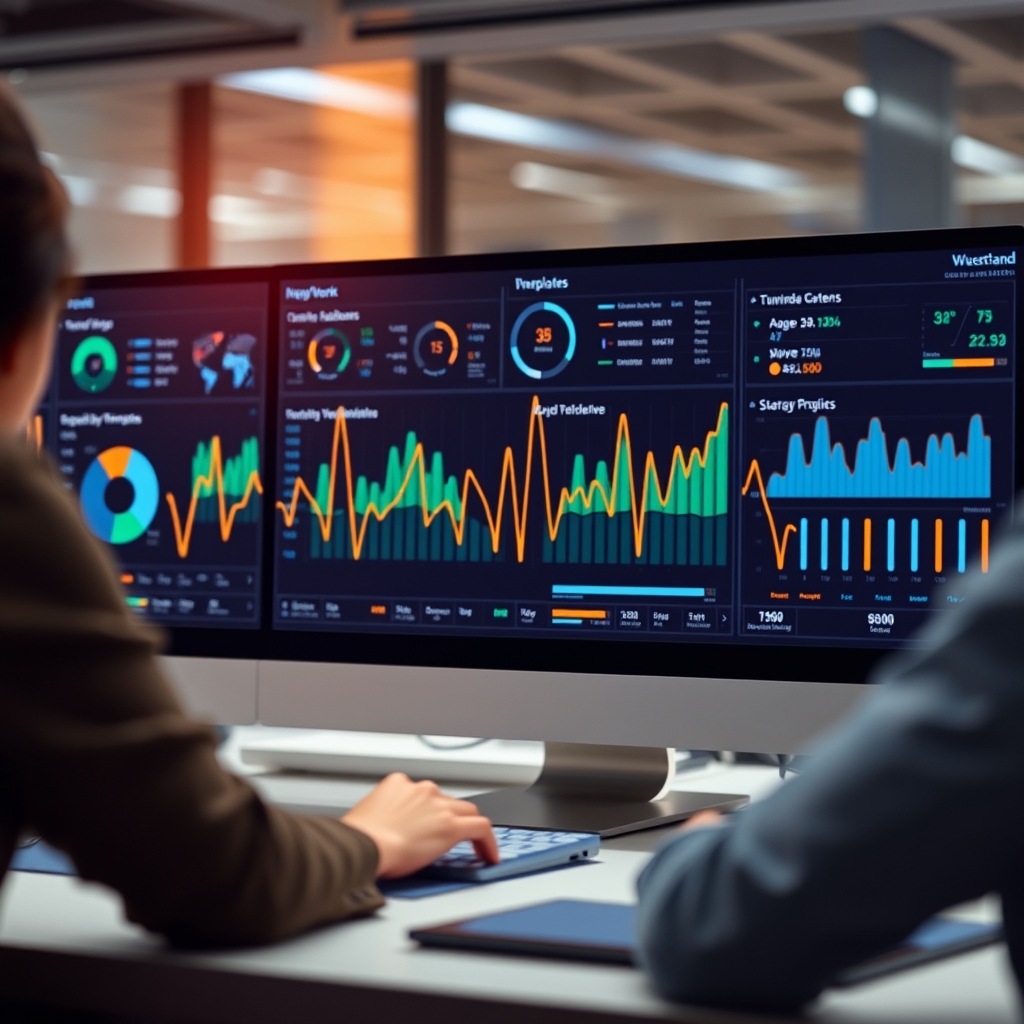
In an era where change is the only constant, businesses are increasingly turning to dynamic tools and methodologies to stay ahead. The convergence of real-time management dashboards and an adaptive organizational culture is not just a trend—it’s a fundamental shift in how companies operate, make decisions, and drive growth. This synergy is at the heart of holistic business optimization, enabling organizations to move beyond traditional management paradigms and embrace a more fluid, responsive approach to leadership and operations.
The Rise of Real-Time Management Dashboards
Real-time management dashboards have revolutionized the way businesses monitor performance, track KPIs, and respond to challenges. Unlike static reports that offer a retrospective view, these dashboards provide live insights into every facet of an organization—from financial health to customer engagement and operational efficiency. By aggregating data from multiple sources, they create a single source of truth that empowers leaders to make informed, agile decisions.
For example, a retail company using a real-time dashboard can instantly identify a dip in sales in a specific region, cross-reference it with inventory levels, and adjust supply chain operations accordingly. This level of responsiveness was unimaginable a decade ago, but today, it’s a cornerstone of data-driven management. The ability to act on real-time data reduces latency in decision-making, minimizes risks, and maximizes opportunities.
From Data to Action: The Role of Predictive Analytics
While real-time dashboards provide a snapshot of the present, predictive business analytics takes it a step further by forecasting future trends. By leveraging machine learning and advanced algorithms, businesses can anticipate customer behavior, market shifts, and operational bottlenecks before they occur. This proactive approach is a game-changer for industries ranging from healthcare to manufacturing, where even minor delays can have significant consequences.
Consider a logistics company that uses predictive analytics to optimize delivery routes. By analyzing historical data, weather patterns, and traffic conditions, the system can recommend the most efficient paths in real time, reducing fuel costs and improving delivery times. When combined with real-time dashboards, predictive analytics transforms raw data into actionable intelligence, enabling businesses to stay one step ahead of the competition.
Cultivating an Adaptive Organizational Culture
However, technology alone is not enough to drive holistic business optimization. The most successful organizations recognize that an adaptive organizational culture is the bedrock upon which these tools thrive. An adaptive culture is one that embraces change, encourages experimentation, and fosters collaboration across all levels of the organization. It’s a culture where employees are empowered to take ownership of their work, share insights, and contribute to continuous improvement.
Human-centric leadership plays a pivotal role in nurturing this culture. Leaders who prioritize empathy, transparency, and inclusivity create an environment where employees feel valued and motivated to innovate. For instance, a tech company that encourages cross-functional teams to collaborate on projects can accelerate problem-solving and drive sustainable process innovation. When employees feel heard and supported, they are more likely to embrace new technologies and methodologies, such as collaborative workflow automation, which streamlines processes and enhances efficiency.
The Power of Transparent Decision-Making
Transparency is another critical element of an adaptive culture. When leaders communicate openly about organizational goals, challenges, and decisions, it builds trust and alignment across the workforce. Transparent decision-making ensures that everyone understands the



