
The Role of Predictive Maintenance and Warehouse Robotics in Revolutionizing Supply Chain Logistics
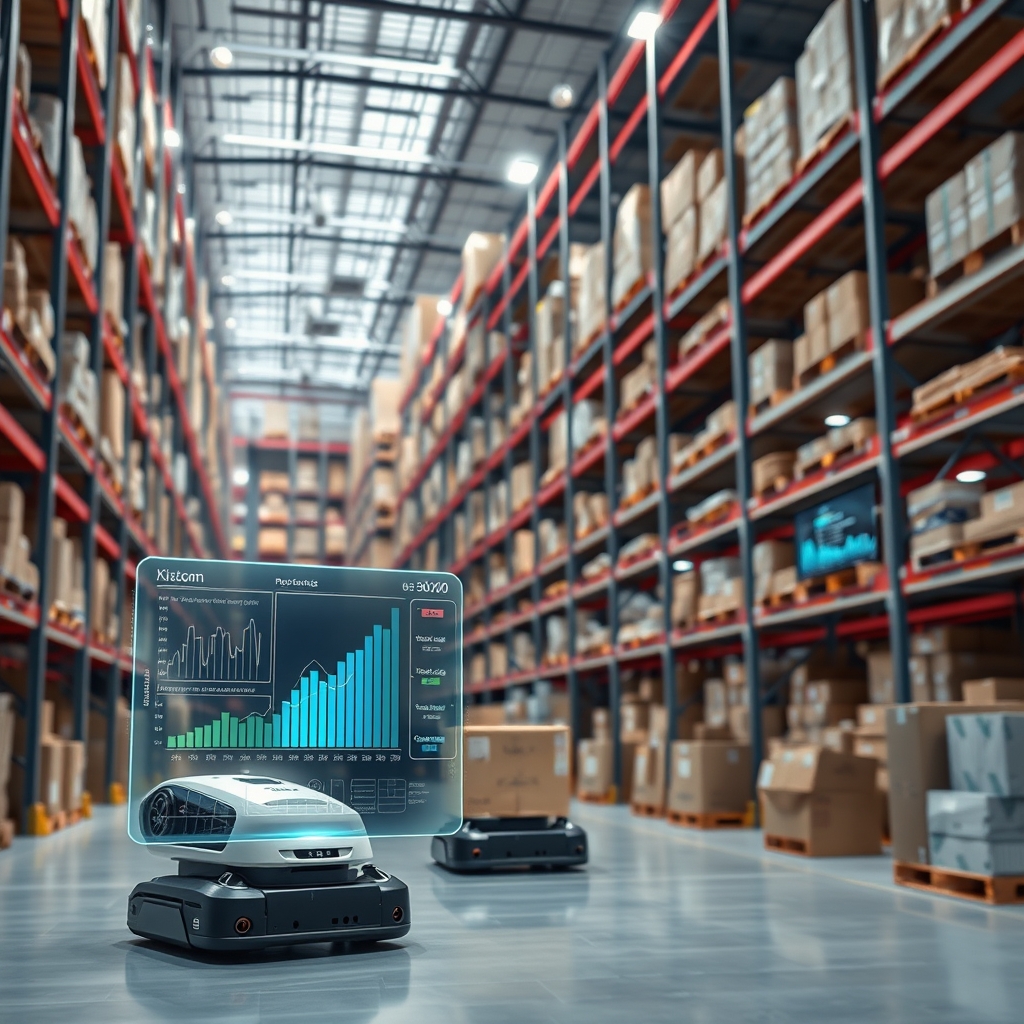
In the fast-paced world of modern manufacturing, the integration of advanced technologies is no longer a luxury but a necessity. Among the most transformative innovations are predictive maintenance and warehouse robotics, which are reshaping the landscape of supply chain logistics. These technologies are not just enhancing efficiency but are also driving sustainability, reducing operational costs, and improving overall productivity. As industries continue to evolve, understanding their role becomes crucial for businesses aiming to stay competitive in an increasingly automated world.
The Power of Predictive Maintenance in Industrial Automation
Predictive maintenance leverages Industrial Automation and data analytics to anticipate equipment failures before they occur. By utilizing sensors, IoT devices, and machine learning algorithms, manufacturers can monitor the health of machinery in real-time. This proactive approach minimizes unplanned downtime, extends the lifespan of assets, and optimizes maintenance schedules. Unlike traditional reactive or preventive maintenance, predictive maintenance ensures that interventions are performed only when necessary, reducing waste and improving resource allocation.
For instance, in a smart factory setting, vibration sensors on a conveyor belt can detect anomalies in its operation. Machine learning models analyze this data to predict potential failures, allowing maintenance teams to address issues before they escalate. This not only saves time and money but also enhances the reliability of the entire production line. The ripple effect of such precision extends to supply chain logistics, where delays in one segment can cascade into broader disruptions.
Warehouse Robotics: The Backbone of Modern Logistics
The adoption of warehouse robotics is another game-changer in the realm of supply chain logistics. Automated guided vehicles (AGVs), robotic arms, and autonomous mobile robots (AMRs) are increasingly being deployed to handle tasks such as picking, packing, sorting, and transporting goods. These robots operate with remarkable speed and accuracy, significantly reducing human error and labor costs while increasing throughput.
One of the most compelling advantages of warehouse robotics is their ability to operate 24/7 without fatigue. In high-demand scenarios, such as e-commerce fulfillment centers, this capability is invaluable. Robots can navigate complex warehouse layouts, adapt to changing inventory levels, and even collaborate with human workers to create a hybrid workforce. This synergy between humans and machines not only boosts efficiency but also creates safer working environments by handling repetitive or hazardous tasks.
Enhancing Inventory Optimization Through Automation
Inventory management is a critical component of supply chain logistics, and warehouse robotics play a pivotal role in optimizing it. Automated systems can track inventory levels in real-time, reducing the risk of stockouts or overstocking. By integrating with Enterprise Resource Planning (ERP) systems, these robots provide accurate data that enables better demand forecasting and procurement planning. This level of precision ensures that businesses can meet customer demands without tying up excessive capital in inventory.
Moreover, the use of robotics in warehouses facilitates mass customization, a growing trend in modern manufacturing. As consumers increasingly demand personalized products, warehouses must adapt to handle smaller, more frequent orders. Robotics enable flexible and scalable operations, allowing businesses to switch between different product lines with minimal disruption. This agility is essential for maintaining a competitive edge in today’s dynamic market.
The Synergy Between Predictive Maintenance and Warehouse Robotics
While predictive maintenance and warehouse robotics are powerful on their own, their true potential is unlocked when they are integrated. For example, predictive maintenance can be applied to robotic systems within a warehouse to ensure they operate at peak efficiency. Sensors embedded in robots can monitor their performance, detecting wear and tear on components such as motors or grippers. This data is then analyzed to predict when maintenance is required, preventing unexpected breakdowns that could halt operations.
This integration also extends to digital twin technology, which creates virtual replicas of physical assets. By simulating warehouse operations, digital twins can identify bottlenecks, optimize workflows, and test the impact of predictive maintenance strategies before they are implemented in the real world. This not only reduces risk but also accelerates the adoption of new technologies, making supply chains more resilient and adaptive.
Sustainability and Cost Efficiency: The Dual Benefits
Beyond operational efficiency, the combination of predictive maintenance and warehouse robotics contributes to sustainable manufacturing practices. Predictive maintenance reduces the need for spare parts and minimizes energy consumption by ensuring equipment operates efficiently. Similarly, warehouse robotics can optimize energy use by streamlining movement and reducing idle time. These technologies also support green manufacturing by lowering carbon footprints through reduced waste and improved resource management.
From a financial perspective, the cost savings are substantial. Reduced downtime, lower maintenance costs, and improved labor efficiency translate into higher profitability. Businesses that invest in these technologies often see a rapid return on investment, making them a smart choice for long-term growth. Additionally, the data generated by these systems provides valuable insights that can inform strategic decisions, further enhancing competitiveness.
As industries continue to embrace Industrial Automation, the role of predictive maintenance and warehouse robotics in supply chain logistics will only grow more critical. These technologies are not just tools for improving efficiency; they are enablers of a smarter, more sustainable, and resilient future. By adopting them, businesses can navigate the complexities of modern manufacturing with confidence, ensuring they remain at the forefront of innovation while delivering value to customers and stakeholders alike. The journey toward fully automated and intelligent supply chains has only just begun, and those who lead the way will define the next era of industrial excellence.



