
Inventory Optimization in the Era of Smart Manufacturing: Balancing Efficiency and Agility
The modern manufacturing landscape is evolving at an unprecedented pace, driven by advancements in technology and shifting market demands. At the heart of this transformation lies the critical need for inventory optimization, a process that ensures businesses maintain the right balance of raw materials, work-in-progress, and finished goods without overstocking or facing shortages. In an era where smart manufacturing and industrial automation are redefining operational efficiency, traditional inventory management methods are no longer sufficient. Instead, manufacturers are turning to data-driven strategies, real-time analytics, and automation to achieve a leaner, more responsive supply chain.
The Challenges of Traditional Inventory Management
For decades, manufacturers relied on manual processes and static forecasting models to manage inventory. These methods, while functional, often led to inefficiencies such as excess stock, stockouts, and increased carrying costs. The lack of real-time visibility into inventory levels made it difficult to respond swiftly to fluctuations in demand or supply chain disruptions. Additionally, the reliance on spreadsheets and siloed data systems created bottlenecks, hindering collaboration between procurement, production, and logistics teams.
In today’s fast-paced manufacturing environment, these challenges are exacerbated by the growing complexity of global supply chains. Factors such as geopolitical tensions, natural disasters, and shifting consumer preferences can disrupt the flow of raw materials and finished goods, making it even more critical for manufacturers to adopt agile and adaptive inventory strategies. This is where smart manufacturing and digital twin technology come into play, offering a dynamic approach to inventory optimization.
The Role of Data and Automation in Inventory Optimization
One of the most significant advancements in inventory optimization is the integration of predictive analytics and machine learning into inventory management systems. By analyzing historical data, market trends, and real-time inputs from IoT-enabled sensors, manufacturers can forecast demand with greater accuracy. This enables them to adjust procurement and production schedules dynamically, reducing the risk of overstocking or stockouts.
For example, Enterprise Resource Planning (ERP) systems equipped with AI-driven analytics can provide real-time insights into inventory levels across multiple warehouses. These systems can automatically trigger reorders when stock levels fall below a predefined threshold, ensuring that production lines never run dry. Similarly, Material Requirements Planning (MRP) tools can optimize the procurement of raw materials by aligning orders with production schedules, minimizing waste, and reducing lead times.
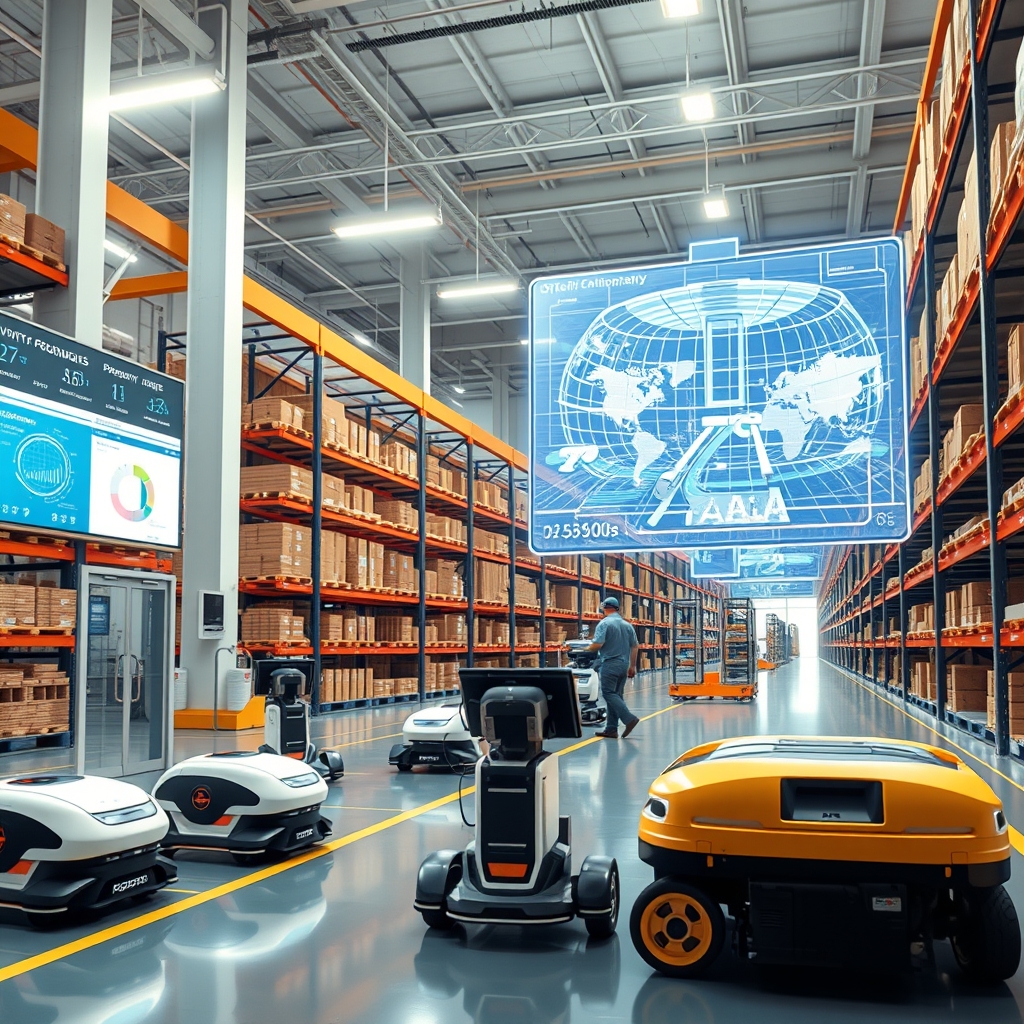
Automation also plays a pivotal role in enhancing inventory accuracy. Warehouse robotics, such as autonomous mobile robots (AMRs) and automated guided vehicles (AGVs), can streamline the movement of goods within a facility, reducing human error and improving efficiency. These robots can be integrated with inventory management software to provide real-time updates on stock levels, locations, and movement, further enhancing visibility and control.
Digital Twin Technology: A Game-Changer for Inventory Optimization
Digital twin technology is revolutionizing inventory optimization by creating virtual replicas of physical supply chains. These digital twins simulate the entire inventory lifecycle, from raw material procurement to finished goods distribution, allowing manufacturers to test different scenarios and identify potential bottlenecks before they occur. For instance, a digital twin can model the impact of a supplier delay on production schedules, enabling manufacturers to proactively adjust their inventory strategies.
By leveraging digital twins, manufacturers can also optimize warehouse layouts and storage strategies. For example, the technology can simulate the movement of goods within a warehouse to identify the most efficient storage locations for high-demand items, reducing picking times and improving overall throughput. This level of optimization is particularly valuable in industries where mass customization is becoming the norm, as it allows manufacturers to manage a diverse range of products without compromising efficiency.
Sustainability and Inventory Optimization
In addition to improving efficiency, inventory optimization is also a key driver of sustainability in manufacturing. Excess inventory not only ties up capital but also contributes to waste, particularly in industries where products have a limited shelf life. By adopting lean inventory practices, manufacturers can reduce their environmental footprint by minimizing overproduction, excess packaging, and unnecessary transportation.
Sustainable packaging is another area where inventory optimization can make a significant impact. By aligning packaging materials with actual demand, manufacturers can reduce the use of non-recyclable materials and lower their carbon emissions. Additionally, optimized inventory levels can help reduce the need for expedited shipping, which is often associated with higher emissions due to the use of air freight.
Moreover, inventory optimization can support green manufacturing initiatives by enabling manufacturers to source raw materials more responsibly. For example, by using predictive analytics to forecast demand, manufacturers can work with suppliers to ensure that raw materials are procured in a way that minimizes waste and supports ethical sourcing practices. This not only benefits the environment but also enhances brand reputation and customer loyalty.
The Human Element in Inventory Optimization
While technology is a critical enabler of inventory optimization, the human element remains indispensable. Skilled professionals are needed to interpret data, make strategic decisions, and oversee the implementation of automation tools. For instance, operations management teams play a crucial role in aligning inventory strategies with broader business goals, such as cost reduction, customer satisfaction, and sustainability.
Training and upskilling employees to work alongside advanced technologies is also essential. As manufacturers adopt smart manufacturing solutions, workers must be equipped with the knowledge and skills to leverage these tools effectively. This includes understanding how to use data analytics platforms, operate warehouse robotics, and interpret insights from digital twins. By fostering a culture of continuous learning, manufacturers can ensure that their workforce remains agile and adaptable in the face of evolving industry trends.
As the manufacturing industry continues to embrace digital transformation, inventory optimization will remain a cornerstone of operational excellence. The integration of advanced technologies such as AI, IoT, and digital twins is enabling manufacturers to achieve unprecedented levels of efficiency, agility, and sustainability. However, the true power of these innovations lies in their ability to complement human expertise, creating a synergy that drives long-term success. In this new era of smart manufacturing, the businesses that thrive will be those that strike the perfect balance between cutting-edge technology and the irreplaceable value of human insight.



