
The AI-Powered Transformation of Cyber Security: How Predictive Modeling and Data Analytics Are Redefining Digital Defense in the Remote Work Era
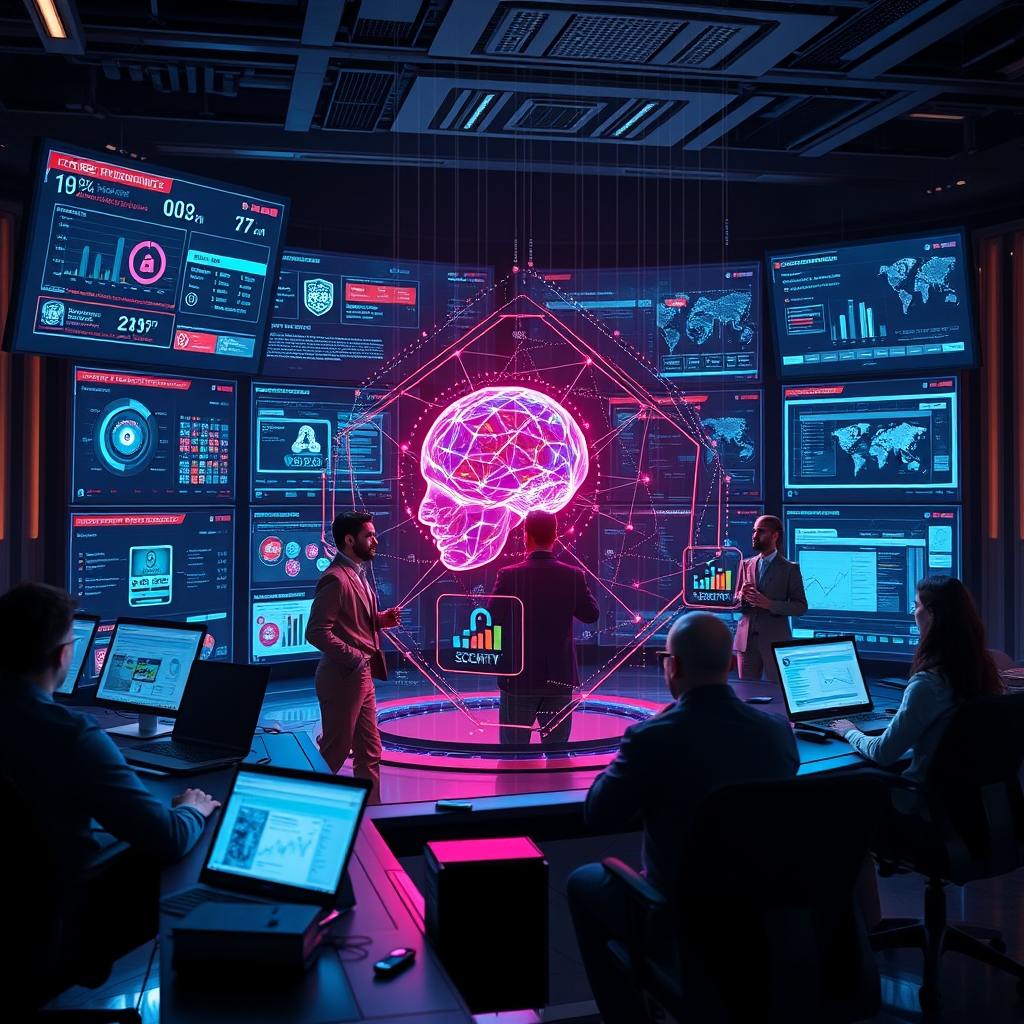
The digital landscape is evolving at an unprecedented pace, and with it, the threats that organizations face. Cyber security is no longer just about building higher walls—it’s about anticipating attacks before they happen, adapting in real time, and outsmarting adversaries with intelligence rather than brute force. At the heart of this transformation lies the fusion of artificial intelligence, predictive modeling, and advanced data analytics, reshaping how businesses protect their assets, employees, and customers in an increasingly remote and interconnected world.
The Shift from Reactive to Proactive Defense
Traditional cyber security strategies have long relied on reactive measures—detecting breaches after they occur and patching vulnerabilities in their wake. While this approach has served as a foundational layer of defense, it is no longer sufficient in an era where cyber threats grow more sophisticated by the day. The rise of remote work, cloud migration, and digital transformation has expanded the attack surface, making it nearly impossible for human teams alone to monitor, detect, and respond to threats in real time.
Enter predictive modeling, a game-changer in the cyber security arsenal. By leveraging vast datasets—ranging from network traffic patterns to user behavior and historical breach incidents—AI-driven systems can identify anomalies and predict potential threats before they materialize. These models don’t just react; they learn, adapt, and evolve, turning cyber security from a defensive posture into a dynamic, intelligence-driven discipline. For instance, machine learning algorithms can detect subtle deviations in employee login patterns that may indicate a phishing attempt or an insider threat, allowing organizations to intervene before damage occurs.
The Role of Data Analytics in Threat Intelligence
Data is the lifeblood of modern cyber security, but raw data alone is meaningless without the tools to interpret it. Advanced data analytics platforms, powered by AI, are enabling organizations to sift through terabytes of information to uncover hidden patterns, correlations, and potential vulnerabilities. These platforms can aggregate data from disparate sources—such as endpoint devices, cloud environments, and third-party applications—to provide a holistic view of an organization’s security posture.
One of the most significant advantages of AI-driven data analytics is its ability to contextualize threats. For example, a sudden spike in data transfers from a remote employee’s device might raise a red flag. However, with contextual analytics, the system can cross-reference this activity with the employee’s typical behavior, location, and role to determine whether it’s a legitimate action or a potential breach. This level of granularity reduces false positives, allowing security teams to focus on genuine threats while minimizing disruptions to productivity.
Enhancing Remote Work Security with AI
The remote work revolution has brought unprecedented flexibility to the workforce, but it has also introduced new cyber security challenges. Employees accessing corporate networks from unsecured home Wi-Fi, using personal devices for work, and collaborating across multiple platforms create a complex web of vulnerabilities. AI is stepping in to bridge the gap, offering solutions that are both scalable and adaptive.
AI-powered security tools can enforce zero-trust architectures, where every access request is continuously authenticated and authorized based on real-time risk assessments. For example, if an employee attempts to log in from an unfamiliar location or device, the system can trigger additional verification steps or restrict access to sensitive data until the user’s identity is confirmed. Similarly, AI-driven endpoint protection platforms can detect and neutralize malware, ransomware, and other threats in real time, even on devices outside the corporate firewall.
The Human-AI Collaboration in Cyber Security
While AI is transforming cyber security, it is not a silver bullet. The most effective strategies strike a balance between automation and human expertise. AI excels at processing vast amounts of data and identifying patterns, but human analysts bring critical thinking, creativity, and contextual understanding to the table. Together, they form a formidable defense against cyber threats.
For instance, AI can flag potential threats and prioritize them based on severity, but human analysts are needed to investigate the root causes, assess the impact, and develop long-term mitigation strategies. This collaboration also extends to incident response, where AI can automate routine tasks—such as isolating infected devices or blocking malicious IP addresses—while human teams focus on containment, recovery, and communication.
Ethical Considerations and the Future of AI in Cyber Security
As AI becomes more embedded in cyber security, ethical considerations come to the forefront. The same technologies that protect organizations can also be weaponized by malicious actors, leading to an arms race between defenders and attackers. For example, AI-generated deepfake phishing emails or automated hacking tools can bypass traditional security measures, requiring organizations to stay one step ahead.
Moreover, the use of AI in cyber security raises questions about privacy and data governance. Predictive modeling relies on vast amounts of data, some of which may include sensitive or personally identifiable information. Organizations must ensure that their AI-driven security practices comply with regulations such as GDPR and CCPA, while also maintaining transparency and trust with their employees and customers.
Building a Resilient Cyber Security Culture
Technology alone cannot guarantee cyber security—it must be complemented by a culture of awareness and vigilance. Employees are often the first line of defense against cyber threats, and their actions can either mitigate or exacerbate risks. AI can play a crucial role in fostering this culture by providing personalized training, real-time feedback, and simulated phishing exercises to educate employees about the latest threats.
For example, AI-driven platforms can analyze an employee’s behavior to identify areas where they may be vulnerable to social engineering attacks. The system can then deliver targeted training modules to address these gaps, reinforcing good security practices without overwhelming the employee with irrelevant information. This approach not only improves security but also empowers employees to take ownership of their role in protecting the organization.
As the digital landscape continues to evolve, so too must our approach to cyber security. The integration of AI, predictive modeling, and data analytics is not just a trend—it’s a fundamental shift in how we defend against an ever-growing array of threats. Organizations that embrace this transformation will not only enhance their security posture but also gain a competitive edge in an increasingly digital world. The future of cyber security lies in intelligence, adaptability, and collaboration, where technology and human expertise work in tandem to create a safer, more resilient digital ecosystem. The question is no longer whether AI will redefine cyber security, but how quickly organizations can adapt to harness its full potential.



