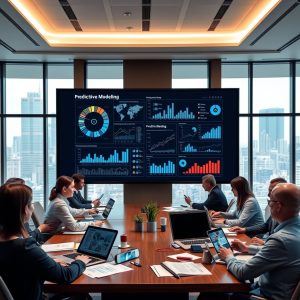
The AI-Driven Metamorphosis: How Predictive Modeling and Data Analytics Are Redefining Supply Chain Resilience and Corporate Agility
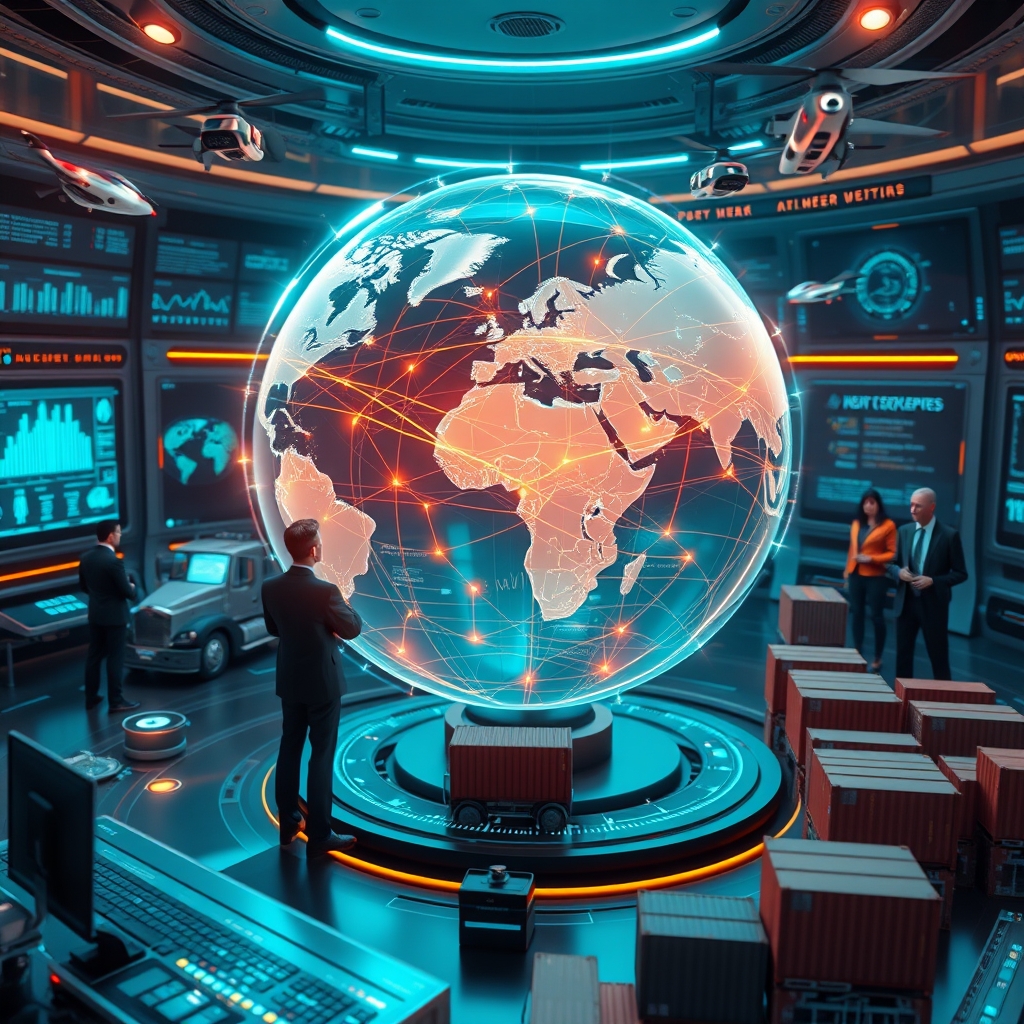
In an era where disruptions have become the norm rather than the exception, supply chains are no longer just logistical networks—they are the lifeblood of corporate survival. The COVID-19 pandemic, geopolitical tensions, and climate-related disasters have exposed the fragility of traditional supply chain models, forcing businesses to rethink their strategies. At the heart of this transformation lies a powerful duo: predictive modeling and data analytics, both supercharged by artificial intelligence. Together, they are not just mitigating risks but redefining what it means to build a resilient, agile, and future-proof supply chain.
The Predictive Edge: Anticipating Disruptions Before They Happen
Gone are the days when supply chain managers relied solely on historical data and gut instinct to make decisions. Today, predictive modeling leverages AI to analyze vast datasets—from weather patterns and geopolitical events to real-time inventory levels and supplier performance—to forecast potential disruptions with unprecedented accuracy. For instance, AI-driven tools can predict port congestions weeks in advance, allowing companies to reroute shipments or adjust production schedules proactively. This shift from reactive to proactive management is not just a competitive advantage; it’s a necessity in a world where a single delay can cascade into millions in lost revenue.
Companies like Maersk and DHL are already harnessing these technologies to optimize their logistics networks. By integrating IoT sensors, machine learning algorithms, and real-time analytics, they can monitor everything from container temperatures to fuel efficiency, ensuring that goods move seamlessly across borders. The result? Fewer delays, lower costs, and a supply chain that bends but doesn’t break under pressure.
Data Analytics: The Backbone of Supply Chain Intelligence
While predictive modeling provides the foresight, data analytics offers the hindsight and insight needed to refine supply chain strategies continuously. Advanced analytics platforms can process terabytes of data to identify inefficiencies, such as underutilized warehouse space or redundant transportation routes. For example, Walmart uses AI-powered analytics to optimize its inventory distribution, reducing stockouts and overstock situations by up to 30%. This level of precision not only improves operational efficiency but also enhances customer satisfaction by ensuring products are available when and where they’re needed.
Moreover, data analytics enables companies to adopt a circular economy mindset by tracking the lifecycle of products and materials. By analyzing data on product usage, returns, and recycling rates, businesses can design more sustainable supply chains that minimize waste and maximize resource efficiency. This approach not only aligns with environmental goals but also resonates with consumers who increasingly prioritize sustainability in their purchasing decisions.
From Resilience to Agility: The Next Frontier of Supply Chain Innovation
Resilience is no longer just about surviving disruptions—it’s about thriving in the face of them. AI-driven supply chains are evolving into self-healing networks that can adapt in real time to changing conditions. For instance, AI algorithms can dynamically adjust production schedules based on fluctuations in demand or supply, ensuring that businesses remain agile even in volatile markets. This level of adaptability is particularly crucial for industries like retail and manufacturing, where consumer preferences and global trade dynamics can shift overnight.
Take the example of Zara, the fast-fashion giant. By leveraging AI and predictive analytics, Zara can design, produce, and distribute new clothing lines in as little as two weeks—a process that traditionally takes months. This agility allows the company to respond swiftly to fashion trends, reducing the risk of overproduction and unsold inventory. It’s a testament to how AI is not just optimizing supply chains but reimagining them entirely.
The Human-AI Collaboration: Striking the Right Balance
While AI and predictive modeling are transforming supply chains, they are not replacing human expertise—instead, they are augmenting it. The most successful companies are those that strike a balance between automation and human judgment. For example, AI can flag potential risks or inefficiencies, but it’s up to supply chain managers to interpret the data and make strategic decisions. This collaboration ensures that technology enhances rather than replaces the human element, fostering a more resilient and adaptive supply chain ecosystem.
Companies like Unilever are leading the way in this regard, using AI to optimize their supply chains while empowering their employees with the tools and training needed to leverage these technologies effectively. By fostering a culture of continuous learning and innovation, Unilever ensures that its workforce remains agile and capable of navigating the complexities of the modern supply chain landscape.
The Ripple Effect: How AI-Driven Supply Chains Are Reshaping Corporate Strategy
The impact of AI-driven supply chains extends far beyond logistics. By enhancing resilience and agility, these technologies are reshaping corporate strategy, enabling businesses to pursue new opportunities and enter new markets with confidence. For instance, companies with robust AI-powered supply chains can expand into emerging markets more quickly, knowing that they can adapt to local challenges and disruptions. This level of flexibility is a game-changer in an era where global expansion is both an opportunity and a risk.
Moreover, AI-driven supply chains are fostering closer collaboration between businesses and their suppliers. By sharing data and insights, companies can work together to optimize the entire supply chain ecosystem, reducing costs and improving efficiency for all parties involved. This collaborative approach not only strengthens relationships but also creates a more resilient and sustainable supply chain network.
As businesses continue to navigate an increasingly complex and unpredictable world, the role of AI and predictive modeling in supply chain management will only grow more critical. Those that embrace these technologies today will not only survive the disruptions of tomorrow but will thrive in them, setting new standards for resilience, agility, and innovation. The future of supply chains is not just about moving goods from point A to point B—it’s about creating intelligent, adaptive networks that can evolve with the world around them. And in this future, AI is not just a tool; it’s the foundation upon which the next generation of supply chain excellence is built.