
The Hidden Catalyst: How AI and Predictive Modeling Are Revolutionizing Talent Retention in the Remote Work Era
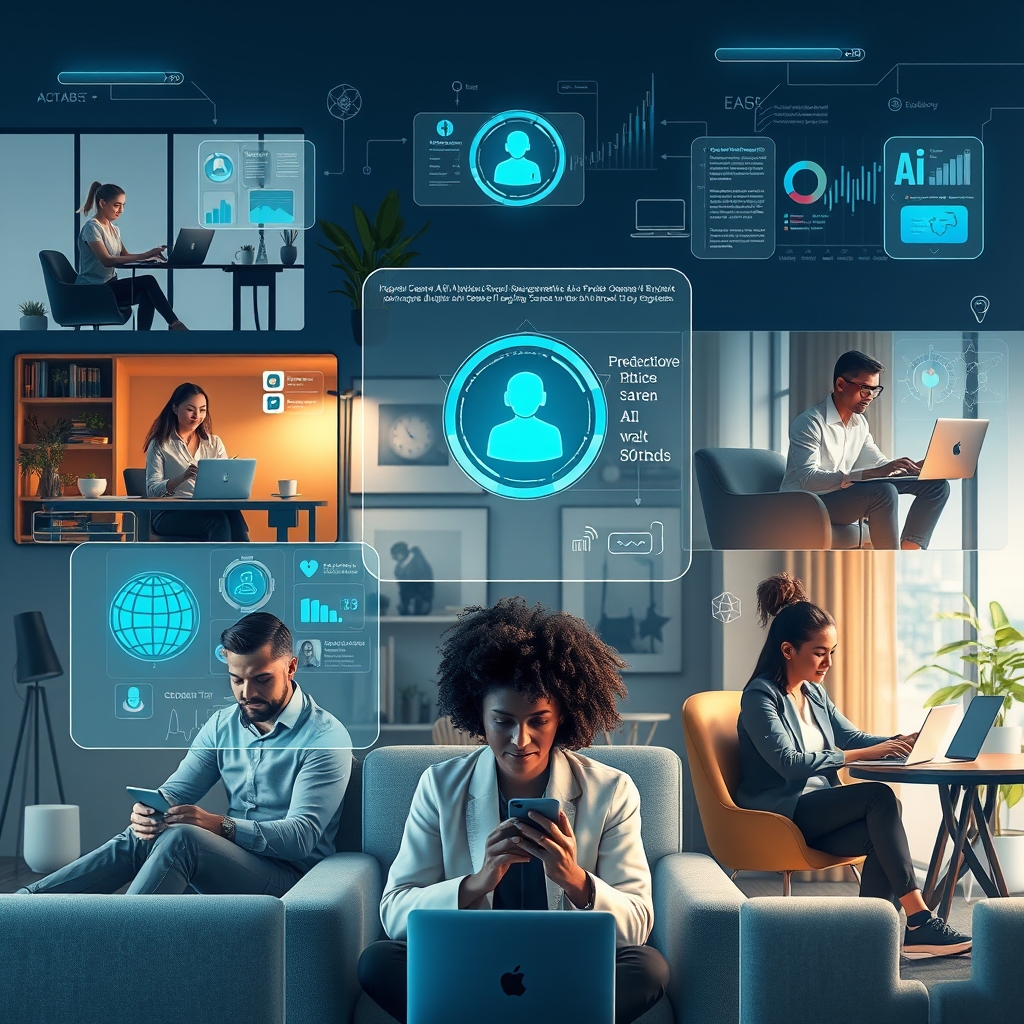
In an era where remote work has become the norm rather than the exception, organizations are grappling with a new challenge: retaining top talent in a landscape where physical distance blurs the lines of engagement and loyalty. The traditional levers of employee retention—office perks, face-to-face mentorship, and in-person team-building—have been upended, leaving HR leaders searching for innovative solutions. Enter artificial intelligence and predictive modeling, the unsung heroes reshaping how companies understand, engage, and retain their workforce in this decentralized world.
The Data-Driven Approach to Employee Engagement
Gone are the days when employee satisfaction surveys and annual reviews were the primary tools for gauging workforce sentiment. Today, AI-powered platforms are analyzing vast amounts of data—from communication patterns in collaboration tools like Slack and Microsoft Teams to sentiment analysis in emails and meeting transcripts—to provide real-time insights into employee engagement. These systems don’t just measure productivity; they uncover the subtle, often invisible factors that influence an employee’s decision to stay or leave.
For instance, predictive models can identify patterns in employee behavior that precede disengagement, such as a decline in participation in team discussions or a sudden drop in after-hours communication. By flagging these red flags early, organizations can intervene proactively, offering tailored support or addressing concerns before they escalate. This shift from reactive to proactive retention strategies is transforming how companies approach talent management, making it more personalized and data-driven than ever before.
The Role of Hyper Personalization in Retention
Hyper personalization, a concept often associated with customer experience, is now making its way into the realm of employee retention. AI-driven platforms are enabling organizations to create highly individualized career development plans, learning opportunities, and even wellness programs based on an employee’s unique skills, aspirations, and behavioral data. Imagine a system that not only recommends training modules aligned with an employee’s career goals but also adjusts the timing and delivery of these recommendations based on their current workload and stress levels.
This level of personalization extends beyond professional development. AI can help tailor benefits packages, flexible work arrangements, and even recognition programs to suit individual preferences. For example, some employees might value additional paid time off over a monetary bonus, while others might prioritize opportunities for remote collaboration with global teams. By leveraging predictive modeling, companies can anticipate these preferences and deliver experiences that resonate on a personal level, fostering a deeper sense of belonging and loyalty.
Ethical Considerations and the Human Touch
While the potential of AI and predictive modeling in talent retention is immense, it also raises important ethical questions. How much data is too much? Where do we draw the line between personalization and intrusion? The key lies in striking a balance between leveraging data for insights and respecting employee privacy. Transparency is critical—employees must be aware of how their data is being used and have the autonomy to opt out if they choose. Moreover, AI should complement, not replace, human interaction. The most effective retention strategies combine data-driven insights with genuine human connection, ensuring that employees feel valued as individuals, not just as data points.
The Future of Remote Work Retention
As remote work continues to evolve, so too will the strategies for retaining talent. AI and predictive modeling are not just tools for addressing today’s challenges; they are shaping the future of work itself. Companies that embrace these technologies will be better equipped to navigate the complexities of a distributed workforce, creating environments where employees feel engaged, supported, and motivated to stay for the long term. The organizations that succeed in this new era will be those that recognize the power of AI not as a replacement for human connection, but as a catalyst for deeper, more meaningful relationships between employers and their teams.
The shift toward AI-driven talent retention is more than a trend—it’s a fundamental reimagining of how organizations nurture and sustain their most valuable asset: their people. In a world where the boundaries of the workplace are no longer defined by physical space, the ability to understand, engage, and retain talent through data and technology will be the defining factor in an organization’s success. The future of work is here, and it’s being written by those who dare to harness the hidden potential of AI to build a more connected, resilient, and human-centric workforce.