
The Future of Manufacturing: How On-Demand Production is Revolutionizing Supply Chains
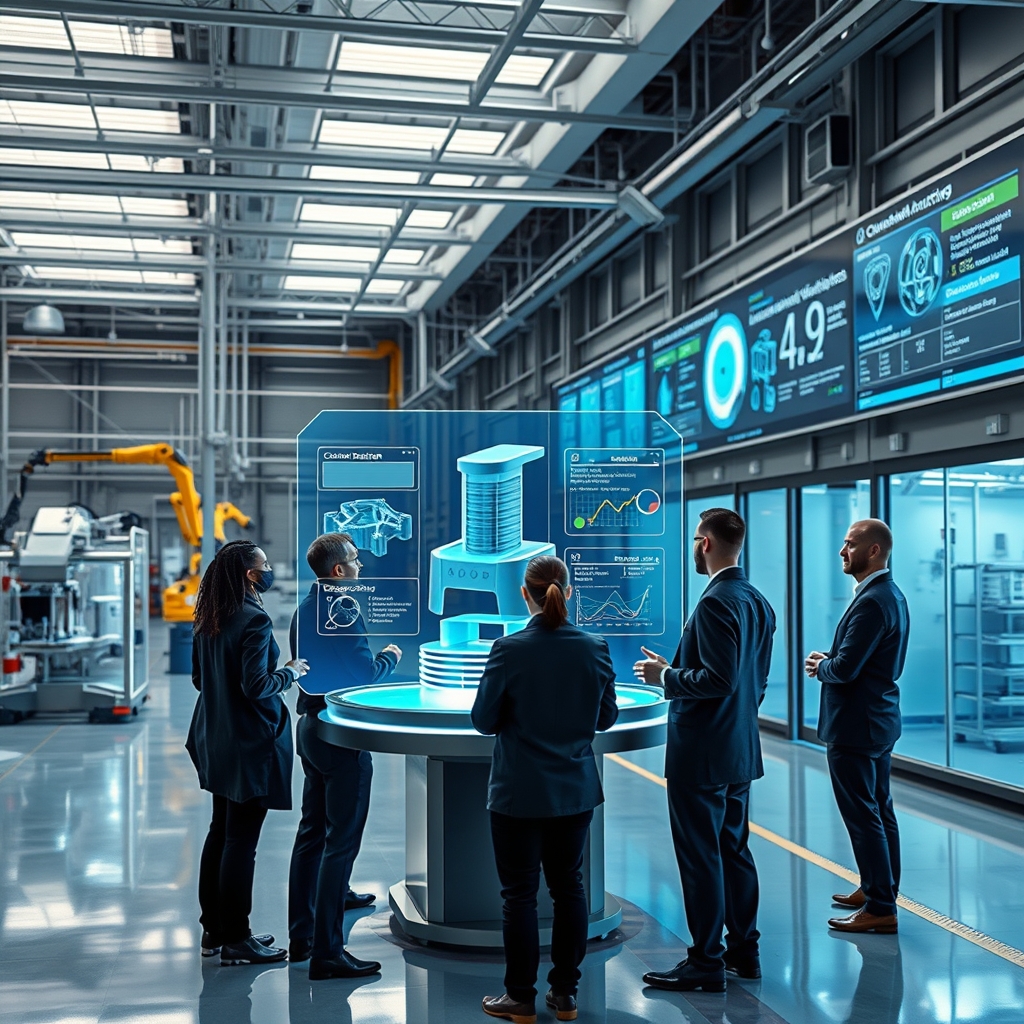
The manufacturing landscape is undergoing a seismic shift, driven by advancements in technology and evolving consumer demands. At the heart of this transformation is on-demand manufacturing, a model that prioritizes flexibility, efficiency, and customization over traditional mass production methods. Businesses across industries are increasingly adopting this approach to streamline operations, reduce waste, and meet the ever-changing needs of their customers. But what exactly is on-demand manufacturing, and how is it reshaping the future of production?
The Rise of On-Demand Manufacturing
On-demand manufacturing, also known as custom production ordering, allows businesses to produce goods only when they are needed, rather than maintaining large inventories. This shift is made possible by digital technologies that enable automated order management and real-time communication between suppliers, manufacturers, and customers. Unlike traditional manufacturing, which relies on forecasting demand and producing goods in bulk, on-demand manufacturing leverages digital supply networks to create a more agile and responsive supply chain.
The benefits of this approach are manifold. For one, it significantly reduces the risk of overproduction, which can lead to excess inventory and financial losses. It also allows businesses to offer custom fabrication services without the need for costly retooling or setup changes. This is particularly valuable in industries where customization is key, such as automotive, aerospace, and consumer electronics. Additionally, on-demand manufacturing supports just-in-time ordering, ensuring that materials and components are delivered exactly when they are needed, minimizing storage costs and improving cash flow.
How Enterprise Procurement Platforms Are Enabling the Shift
The adoption of on-demand manufacturing is closely tied to the rise of enterprise procurement platforms. These cloud-based systems serve as the backbone of modern supply chains, integrating various functions such as purchase order automation, manufacturing order tracking, and production scheduling software. By centralizing these processes, businesses can gain greater visibility into their operations, reduce manual errors, and accelerate decision-making.
One of the key features of these platforms is their ability to connect businesses with a network of suppliers and manufacturers in real time. This is where cloud manufacturing platforms come into play. These platforms act as marketplaces, matching buyers with suppliers who can fulfill their specific production needs. For example, a company looking to produce a small batch of custom-designed parts can use a cloud manufacturing platform to find a supplier with the necessary capabilities, request quotes, and place an order—all within a matter of hours. This level of agility was unthinkable in the era of traditional manufacturing, where sourcing and procurement could take weeks or even months.
Moreover, enterprise procurement platforms often include advanced analytics tools that help businesses optimize their supply chains. By analyzing historical data and market trends, these tools can predict demand more accurately, identify potential bottlenecks, and suggest cost-saving measures. This data-driven approach is essential for businesses looking to stay competitive in an increasingly complex global market.
The Role of Print on Demand and Rapid Prototyping
While on-demand manufacturing is often associated with industrial production, it has also found applications in consumer-facing industries. Print on demand services, for instance, have revolutionized the way businesses approach product creation and fulfillment. Companies can now design and sell custom products—such as apparel, accessories, and home goods—without holding any inventory. When a customer places an order, the product is printed, packaged, and shipped directly to them, eliminating the need for warehousing and reducing the risk of unsold stock.
Similarly, rapid prototyping orders have become a game-changer for product development. In the past, creating a prototype could take weeks or months, delaying the time to market. Today, businesses can use digital design tools and 3D printing to produce prototypes in a matter of days. This not only accelerates the innovation process but also allows companies to test and refine their products before committing to large-scale production. The ability to iterate quickly is a significant competitive advantage, particularly in fast-moving industries like technology and fashion.
Challenges and Considerations
Despite its many advantages, on-demand manufacturing is not without its challenges. One of the primary concerns is the reliance on a complex network of suppliers and partners. While this network enables flexibility, it also introduces risks, such as delays or quality issues from a single supplier. To mitigate these risks, businesses must invest in robust inventory restocking systems and industrial order fulfillment processes to ensure that orders are delivered on time and to the required standards.
Another consideration is the initial investment required to adopt on-demand manufacturing technologies. While the long-term benefits—such as reduced waste and improved efficiency—are clear, the upfront costs of implementing automated order management systems, cloud manufacturing platforms, and other digital tools can be significant. However, as these technologies become more widespread and affordable, the barrier to entry is gradually lowering, making on-demand manufacturing accessible to businesses of all sizes.
Data security is also a critical concern, particularly when sensitive information is shared across digital platforms. Businesses must ensure that their enterprise procurement platforms and digital supply networks are secure and compliant with industry regulations. This includes implementing encryption, access controls, and regular audits to protect against cyber threats.
The Future of On-Demand Manufacturing
As technology continues to evolve, the capabilities of on-demand manufacturing will only expand. Emerging trends such as artificial intelligence, machine learning, and the Internet of Things (IoT) are poised to further enhance the efficiency and flexibility of production processes. For example, AI-powered production scheduling software can optimize workflows in real time, while IoT-enabled sensors can provide live updates on the status of orders and inventory levels. These innovations will enable businesses to respond even more quickly to changes in demand and market conditions.
The rise of contract manufacturing orders is another trend to watch. As businesses increasingly outsource production to specialized manufacturers, the need for seamless collaboration and communication will grow. Cloud-based platforms that facilitate real-time sharing of design files, production updates, and quality control data will become indispensable. This shift toward a more collaborative and interconnected manufacturing ecosystem will blur the lines between traditional supply chain roles, creating a more dynamic and responsive industry.
On-demand manufacturing is not just a passing trend—it is a fundamental shift in how goods are produced and delivered. By embracing this model, businesses can reduce waste, improve efficiency, and better meet the needs of their customers. The key to success lies in leveraging the right technologies, building strong partnerships, and staying agile in the face of change. As the manufacturing landscape continues to evolve, those who adapt will be best positioned to thrive in the new era of production.



