The Evolution of Factory Automation: Integrating Lean Production and Digital Twin Technology for Next-Gen Efficiency
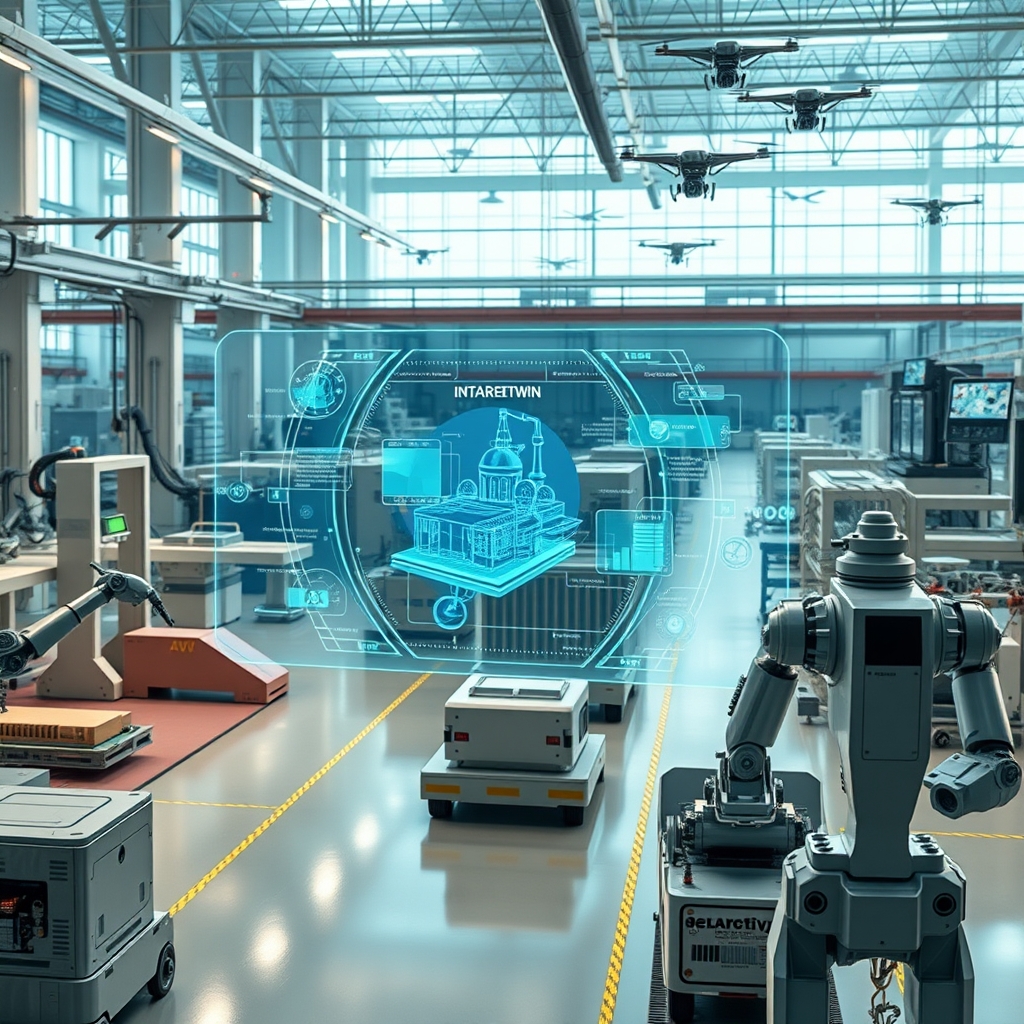
Factory automation has undergone a remarkable transformation over the past few decades, evolving from simple mechanization to highly sophisticated, data-driven systems. Today, the convergence of Lean Production principles and Digital Twin Technology is redefining what it means to achieve operational excellence. This integration is not just about automating tasks—it’s about creating intelligent, self-optimizing environments that adapt in real time to changing demands, reducing waste, and enhancing productivity.
The Foundations of Lean Production in Modern Factories
Lean Production, a methodology rooted in the Toyota Production System, has long been the gold standard for eliminating waste and maximizing value. Its core principles—such as just-in-time manufacturing, continuous improvement (Kaizen), and value stream mapping—have helped manufacturers streamline operations, reduce lead times, and improve quality. However, traditional Lean Production often relies on manual processes and static workflows, which can limit its effectiveness in today’s fast-paced, data-centric industrial landscape.
Enter Industrial Automation. By leveraging robotics, IoT sensors, and AI-driven analytics, factories can now automate repetitive tasks while maintaining the flexibility and adaptability that Lean Production demands. For example, automated guided vehicles (AGVs) and collaborative robots (cobots) can handle material transport and assembly with precision, freeing human workers to focus on higher-value activities like process optimization and problem-solving. This synergy between Lean principles and automation creates a dynamic environment where efficiency is not just achieved but continuously refined.
Digital Twin Technology: The Brain Behind Smart Factories
At the heart of this evolution is Digital Twin Technology, a virtual replica of physical assets, processes, or systems that enables real-time monitoring, simulation, and optimization. Unlike traditional simulations, digital twins are dynamic, continuously updated with data from sensors, machines, and enterprise systems. This allows manufacturers to test scenarios, predict outcomes, and make data-driven decisions without disrupting actual production.
For instance, a digital twin of a production line can simulate the impact of a machine failure, allowing operators to assess potential bottlenecks and adjust workflows proactively. Similarly, it can model the effects of introducing a new product variant, ensuring that the factory’s layout and processes are optimized before any physical changes are made. This level of foresight is invaluable in an era where Mass Customization and rapid product iterations are becoming the norm.
Bridging Lean Production and Digital Twins
The true power of combining Lean Production with Digital Twin Technology lies in their complementary strengths. Lean provides the framework for eliminating waste and improving flow, while digital twins offer the tools to visualize, analyze, and optimize those flows in real time. Together, they enable a level of agility and precision that was previously unattainable.
Consider a scenario where a manufacturer is struggling with excess inventory due to unpredictable demand. A digital twin can analyze historical data, current market trends, and production constraints to simulate different inventory strategies. By applying Lean principles like just-in-time delivery and pull-based production, the manufacturer can reduce excess stock while ensuring that customer orders are fulfilled on time. The result is a more responsive, cost-effective supply chain that aligns with both Lean and digital transformation goals.
The Role of Predictive Maintenance in Factory Automation
Another critical component of this integrated approach is Predictive Maintenance. Traditional maintenance strategies—whether reactive or preventive—often lead to unnecessary downtime or over-maintenance, both of which are costly. Predictive maintenance, powered by AI and IoT, shifts the paradigm by using real-time data to predict when equipment is likely to fail, allowing for timely interventions before issues escalate.
When integrated with digital twins, predictive maintenance becomes even more powerful. A digital twin can simulate the wear and tear of machinery under different operating conditions, providing insights into how maintenance schedules can be optimized. This not only extends the lifespan of assets but also ensures that production remains uninterrupted, a key tenet of Lean Production. The combination of predictive maintenance and digital twins creates a closed-loop system where data informs decisions, and decisions drive continuous improvement.
Sustainability and the Future of Factory Automation
As industries face increasing pressure to adopt Green Manufacturing practices, the integration of Lean Production and Digital Twin Technology offers a pathway to sustainability. Lean’s focus on waste reduction naturally aligns with sustainability goals, while digital twins can optimize energy consumption, material usage, and emissions by simulating the environmental impact of different production scenarios.
For example, a digital twin can model the energy efficiency of a factory’s lighting, heating, and cooling systems, identifying opportunities to reduce consumption without compromising productivity. Similarly, it can simulate the use of Sustainable Packaging materials, ensuring that they meet performance requirements while minimizing environmental impact. By embedding sustainability into the core of factory automation, manufacturers can achieve operational excellence while contributing to a greener future.
The journey toward fully automated, intelligent factories is well underway, but the next frontier lies in the seamless integration of Lean Production and Digital Twin Technology. This combination is not just about automating tasks—it’s about creating systems that learn, adapt, and optimize themselves in real time. As manufacturers continue to embrace these innovations, they will unlock new levels of efficiency, flexibility, and sustainability, positioning themselves at the forefront of the Smart Manufacturing revolution. The factories of tomorrow will not just produce goods; they will think, evolve, and drive progress in ways we are only beginning to imagine.