The Synergy of Material Requirements Planning and Industrial Automation: Driving Precision in Smart Manufacturing
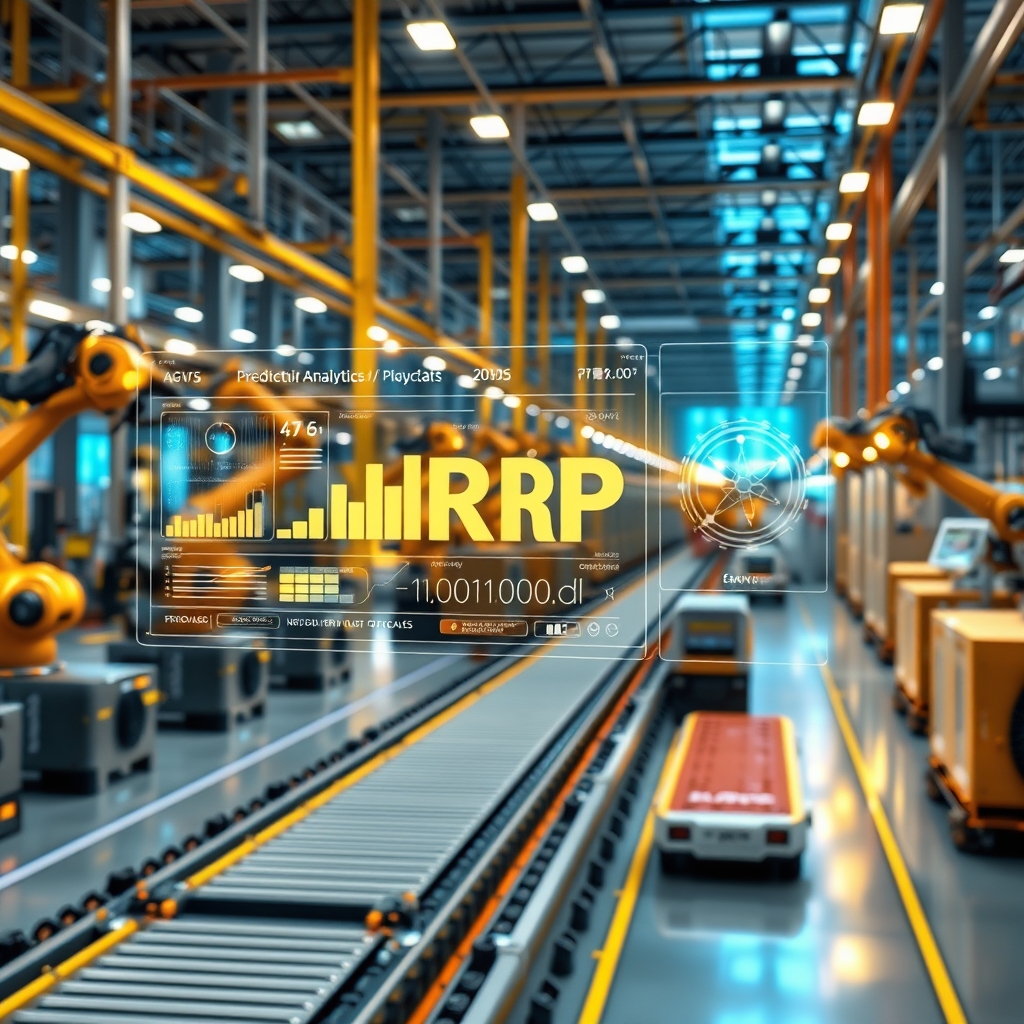
In the rapidly evolving landscape of smart manufacturing, the convergence of Material Requirements Planning (MRP) and Industrial Automation is emerging as a game-changer. This powerful synergy is not just enhancing operational efficiency but also redefining how manufacturers approach production planning, inventory control, and resource allocation. By integrating MRP systems with automated processes, factories are achieving unprecedented levels of precision, reducing waste, and responding dynamically to market demands.
The Evolution of Material Requirements Planning
Material Requirements Planning has long been a cornerstone of manufacturing operations, providing a systematic approach to managing raw materials, production schedules, and inventory levels. Traditional MRP systems relied heavily on manual inputs and static data, which often led to inefficiencies, overstocking, or stockouts. However, the advent of digital transformation has revolutionized MRP, turning it into a dynamic, data-driven tool that aligns seamlessly with the principles of Lean Production and Agile Manufacturing.
Modern MRP systems leverage real-time data from Enterprise Resource Planning (ERP) platforms, IoT sensors, and AI-driven analytics to forecast demand with remarkable accuracy. This shift from reactive to predictive planning enables manufacturers to optimize their raw material procurement processes, ensuring that the right materials are available at the right time—without excess or shortage. The result? Reduced lead times, lower carrying costs, and a more responsive supply chain.
Industrial Automation: The Backbone of Smart Factories
Industrial automation has transformed factories into highly efficient, self-regulating ecosystems. From warehouse robotics that streamline order fulfillment to predictive maintenance systems that minimize downtime, automation is the driving force behind the smart factory revolution. When combined with MRP, automation takes on a new dimension, enabling real-time adjustments to production schedules based on fluctuating demand, supply chain disruptions, or machine performance.
For instance, automated guided vehicles (AGVs) and robotic arms can be programmed to adjust their workflows in response to MRP-generated alerts. If a sudden spike in demand is detected, the system can automatically reallocate resources, prioritize high-demand products, and even trigger additional shifts in the production line. This level of agility is critical in today’s fast-paced markets, where the ability to pivot quickly can mean the difference between capitalizing on an opportunity and losing a competitive edge.
Enhancing Inventory Optimization Through Automation
One of the most significant benefits of integrating MRP with industrial automation is the enhancement of inventory optimization. Traditional inventory management often relied on historical data and manual audits, which could lead to inaccuracies and inefficiencies. In contrast, automated MRP systems continuously monitor inventory levels, track material usage in real time, and trigger reorders or adjustments based on predefined thresholds.
This real-time visibility into inventory not only reduces the risk of stockouts or overstocking but also supports sustainable manufacturing practices. By minimizing excess inventory, manufacturers can reduce waste, lower storage costs, and decrease their environmental footprint. Additionally, automated inventory tracking systems can identify slow-moving or obsolete stock, allowing manufacturers to liquidate or repurpose materials before they become a liability.
The Role of Digital Twin Technology in MRP and Automation
Digital Twin Technology is another critical component in the synergy between MRP and industrial automation. A digital twin is a virtual replica of a physical manufacturing system, allowing operators to simulate, monitor, and optimize processes in a risk-free environment. When integrated with MRP, digital twins can predict the impact of production changes, supply chain disruptions, or machine failures before they occur in the real world.
For example, if an MRP system forecasts a potential material shortage, the digital twin can simulate the impact of alternative suppliers, production schedules, or even design modifications. This proactive approach enables manufacturers to make informed decisions, mitigate risks, and maintain continuity in their operations. Furthermore, digital twins can be used to test the feasibility of new automation strategies, ensuring that investments in robotics or AI-driven systems deliver the expected returns.
Overcoming Challenges in Integration
While the benefits of combining MRP with industrial automation are clear, the integration process is not without its challenges. One of the primary hurdles is the need for seamless data exchange between disparate systems. MRP and automation technologies often rely on different protocols, data formats, and communication standards, which can create silos and hinder real-time decision-making. To overcome this, manufacturers must invest in interoperable platforms and robust IT infrastructure that can support the seamless flow of data across the enterprise.
Another challenge is the cultural shift required to adopt these technologies. Employees may resist changes to established workflows, fearing job displacement or increased complexity. To address this, manufacturers should prioritize change management strategies, including training programs, clear communication, and incentives for adoption. By fostering a culture of innovation and collaboration, organizations can ensure that their workforce embraces the transition to automated MRP systems.
Future Trends: AI and Machine Learning in MRP and Automation
The future of MRP and industrial automation lies in the integration of artificial intelligence (AI) and machine learning (ML). These technologies are poised to take predictive planning to the next level by analyzing vast amounts of data to identify patterns, optimize production schedules, and even anticipate market trends. For example, AI-driven MRP systems can learn from historical demand data to predict seasonal fluctuations, enabling manufacturers to adjust their production and procurement strategies proactively.
Similarly, machine learning algorithms can enhance the performance of automated systems by continuously refining their operations based on real-time feedback. For instance, a robotic assembly line equipped with ML capabilities can adapt its movements to improve precision, reduce waste, and minimize energy consumption. As these technologies mature, they will further blur the lines between MRP and automation, creating a fully integrated, self-optimizing manufacturing ecosystem.
The fusion of Material Requirements Planning and industrial automation is not just a trend—it is a fundamental shift in how manufacturers operate. By harnessing the power of real-time data, predictive analytics, and automated processes, factories are achieving levels of efficiency and agility that were once unimaginable. As technology continues to advance, the boundaries of what is possible in smart manufacturing will expand, offering new opportunities for innovation, sustainability, and growth. The factories of the future are not just automated; they are intelligent, adaptive, and relentlessly focused on delivering value in an ever-changing world.