
How Digital Twin Technology and Predictive Analytics Are Redefining Asset Lifecycle Management in Smart Factories
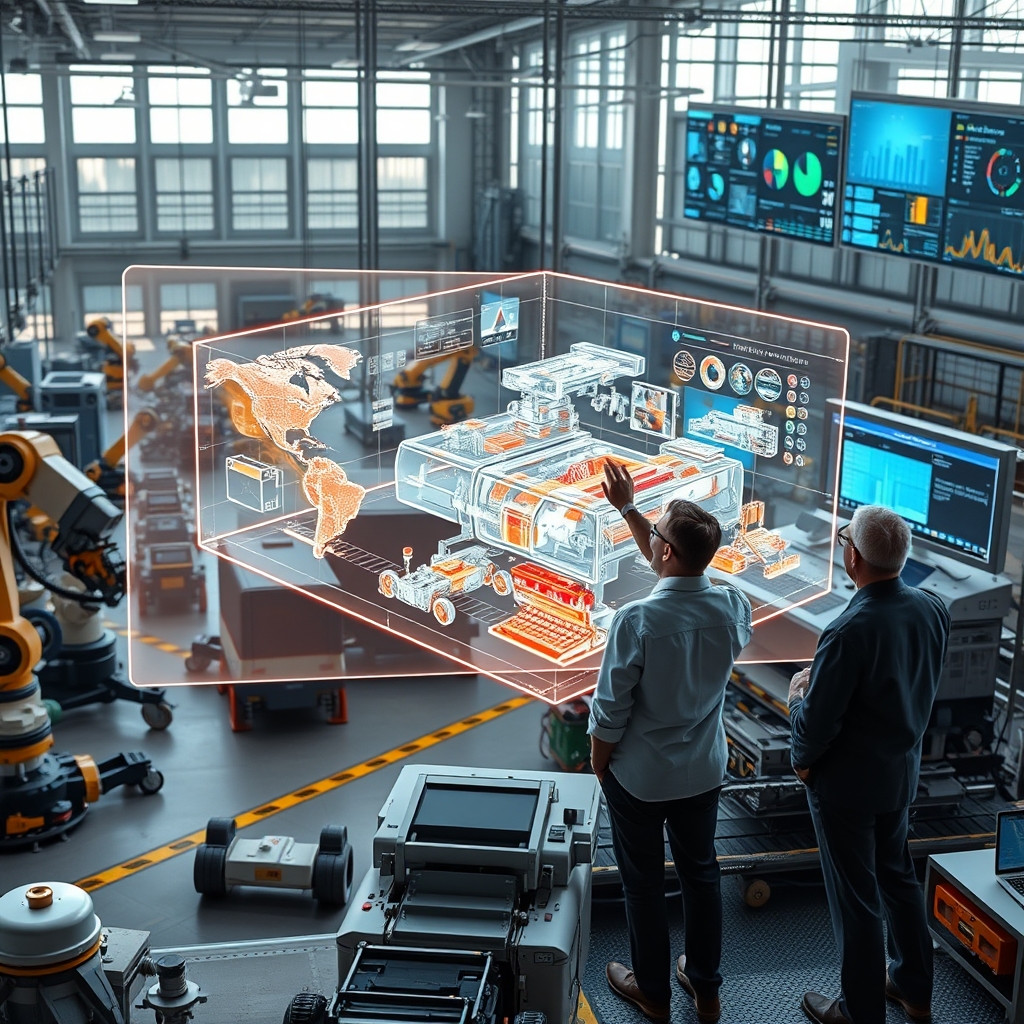
In the rapidly evolving landscape of smart manufacturing, businesses are constantly seeking innovative ways to enhance efficiency, reduce costs, and extend the lifespan of their critical assets. One of the most transformative advancements in this space is the integration of Digital Twin Technology with Predictive Analytics, a combination that is revolutionizing Asset Lifecycle Management (ALM). By creating virtual replicas of physical assets and leveraging real-time data, manufacturers can now predict failures, optimize performance, and make data-driven decisions that were once unimaginable.
The Rise of Digital Twin Technology in Manufacturing
Digital Twin Technology is not just a buzzword; it is a game-changer for industries reliant on complex machinery and equipment. A digital twin is a dynamic, virtual representation of a physical asset, system, or process that mirrors its real-world counterpart in real time. This technology enables manufacturers to simulate, analyze, and optimize asset performance without disrupting actual operations. For example, a digital twin of a production line can help engineers identify bottlenecks, test process improvements, and even predict the impact of changes before implementing them on the factory floor.
The adoption of digital twins is particularly impactful in Factory Automation, where precision and uptime are critical. By integrating sensors and IoT devices with digital twins, manufacturers can monitor equipment health, track performance metrics, and receive alerts about potential issues. This level of visibility is invaluable for industries such as automotive, aerospace, and pharmaceuticals, where even minor disruptions can lead to significant financial losses.
Predictive Analytics: The Brain Behind Smarter Asset Management
While digital twins provide the virtual framework, Predictive Analytics powers the intelligence behind smarter asset management. Predictive analytics uses historical and real-time data, along with machine learning algorithms, to forecast future events—such as equipment failures—before they occur. This proactive approach allows manufacturers to shift from reactive maintenance strategies to a more efficient, Predictive Maintenance model.
For instance, consider a manufacturing plant that relies on a fleet of industrial robots. By analyzing data from sensors embedded in these robots, predictive analytics can detect patterns that indicate wear and tear, such as increased vibration or temperature fluctuations. Maintenance teams can then intervene before a breakdown occurs, reducing downtime and extending the lifespan of the equipment. This not only saves costs but also improves overall Operational Efficiency and productivity.
Integrating Digital Twins and Predictive Analytics for Lifecycle Optimization
The true power of digital twins and predictive analytics lies in their integration. When combined, these technologies create a closed-loop system where data from the physical asset informs the digital twin, and insights from the digital twin drive actions in the real world. This synergy is particularly beneficial for Asset Lifecycle Management, as it enables manufacturers to optimize every stage of an asset’s life—from procurement and deployment to maintenance and retirement.
For example, during the procurement phase, digital twins can simulate the performance of different equipment options, helping manufacturers select the best fit for their needs. Once deployed, predictive analytics can monitor the asset’s condition and recommend maintenance schedules or upgrades. As the asset approaches the end of its lifecycle, the digital twin can assess its residual value and suggest whether it should be refurbished, repurposed, or retired. This holistic approach ensures that assets are used to their fullest potential while minimizing waste and maximizing return on investment.
Real-World Applications and Industry Impact
The impact of digital twins and predictive analytics is already being felt across various industries. In Automotive Manufacturing, companies like Tesla and BMW use digital twins to simulate production processes, optimize assembly lines, and reduce defects. In the Energy Sector, digital twins of wind turbines and power plants enable operators to predict maintenance needs and improve energy output. Even in Healthcare Manufacturing, digital twins are used to model the production of medical devices, ensuring compliance with stringent quality standards.
One notable case study is Siemens’ implementation of digital twins in its Amberg Electronics Plant. By creating virtual replicas of its production lines, Siemens achieved a 99.9988% quality rate and reduced downtime by 50%. This level of precision and efficiency is a testament to the transformative potential of these technologies.
Challenges and Considerations for Implementation
Despite their immense potential, the adoption of digital twins and predictive analytics is not without challenges. One of the primary hurdles is the need for high-quality, real-time data. Without accurate and consistent data, the insights generated by these technologies may be unreliable. Additionally, integrating digital twins with existing systems and processes can be complex, requiring significant investment in infrastructure, training, and change management.
Another consideration is data security. As digital twins rely on vast amounts of sensitive data, manufacturers must ensure robust cybersecurity measures are in place to protect against breaches and unauthorized access. This includes implementing encryption, access controls, and regular security audits to safeguard their digital assets.
The Role of AI and Machine Learning in Enhancing Digital Twins
Artificial Intelligence (AI) and Machine Learning (ML) are further enhancing the capabilities of digital twins. AI-driven digital twins can learn from historical data and adapt to changing conditions, making them more accurate and responsive over time. For example, an AI-powered digital twin of a manufacturing robot can not only predict failures but also recommend optimal operating parameters to extend its lifespan. This level of intelligence is driving the next wave of innovation in Smart Manufacturing, enabling factories to become more autonomous and self-optimizing.
As industries continue to embrace digital transformation, the synergy between digital twins, predictive analytics, and AI will become increasingly critical. Manufacturers that invest in these technologies today will be better positioned to navigate the challenges of tomorrow, from supply chain disruptions to evolving customer demands. The future of asset lifecycle management lies in the ability to anticipate, adapt, and optimize—making digital twins and predictive analytics indispensable tools for the smart factories of the future. The journey toward fully autonomous and intelligent manufacturing is well underway, and those who embrace these innovations will lead the charge in shaping the next era of industrial excellence.