
The AI-Powered Supply Chain: How Predictive Modeling and Digital Transformation Are Building Unbreakable Resilience
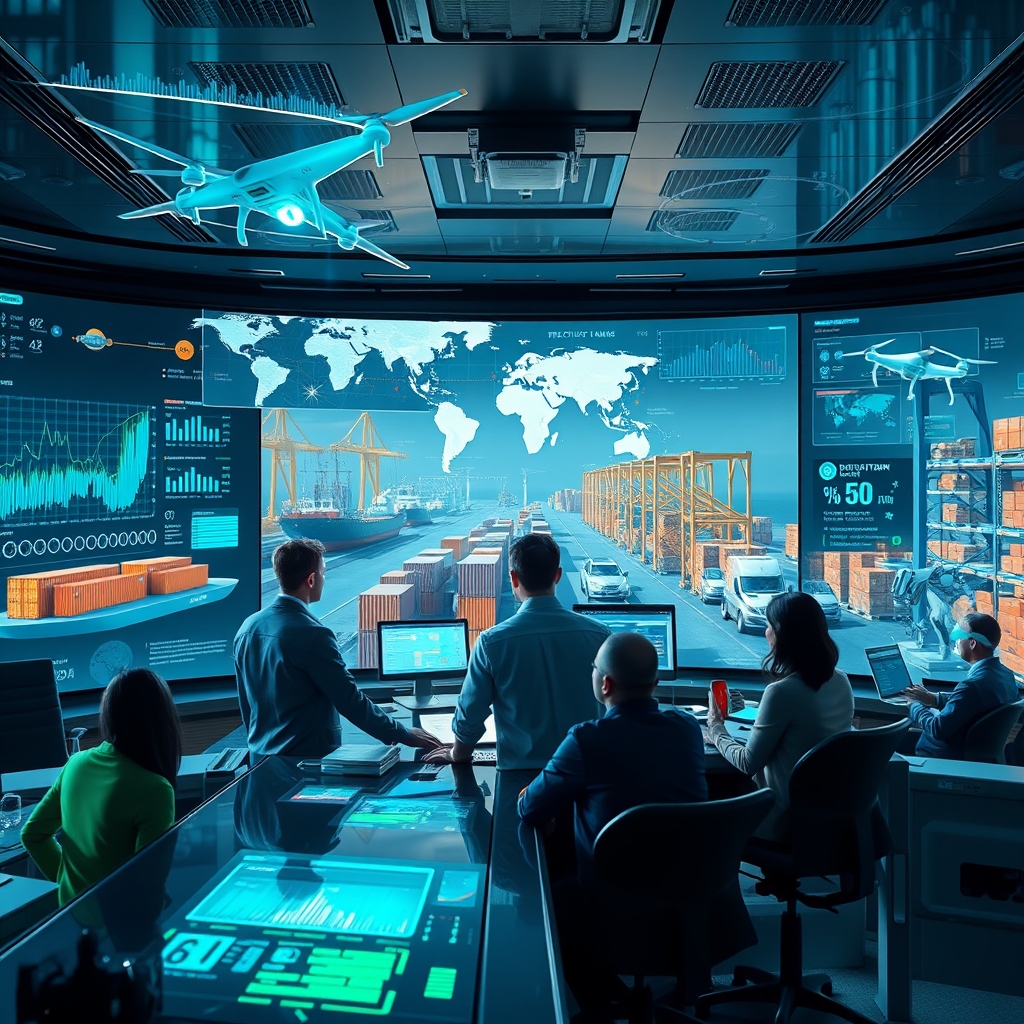
In an era where global disruptions have become the norm rather than the exception, supply chains are no longer just logistical networks—they are the lifeblood of modern commerce. The COVID-19 pandemic, geopolitical tensions, and climate-related disasters have exposed vulnerabilities in even the most robust systems, forcing businesses to rethink how they design, manage, and fortify their supply chains. At the heart of this transformation lies a powerful duo: artificial intelligence and predictive modeling, which are not only enhancing resilience but also redefining what it means to operate in an unpredictable world.
The Shift from Reactive to Proactive Supply Chains
Traditionally, supply chain management has been a reactive discipline. Companies responded to disruptions—whether a delayed shipment, a sudden spike in demand, or a supplier failure—only after they occurred. This approach, while functional in stable environments, is no longer sufficient. The modern supply chain must anticipate risks before they materialize, adapt in real time, and even turn disruptions into opportunities. This is where AI steps in.
Predictive modeling, powered by machine learning algorithms, analyzes vast datasets—historical trends, real-time market conditions, weather patterns, geopolitical events, and even social media sentiment—to forecast potential disruptions with remarkable accuracy. For instance, AI can predict a port congestion weeks before it happens, allowing companies to reroute shipments or adjust inventory levels preemptively. Similarly, it can identify alternative suppliers in regions less likely to be affected by an impending natural disaster, ensuring continuity in operations.
Real-Time Decision Making with AI
The true power of AI in supply chain resilience lies in its ability to process and act on data in real time. Traditional supply chain systems rely on static reports and periodic updates, which often lag behind rapidly evolving situations. AI-driven platforms, however, continuously ingest and analyze data from IoT sensors, ERP systems, and external sources, providing decision-makers with up-to-the-minute insights.
Consider a scenario where a sudden spike in demand for a product occurs due to a viral social media trend. An AI-powered system can instantly detect this shift, assess inventory levels across warehouses, and automatically trigger replenishment orders or reallocate stock from less critical locations. This level of agility not only prevents stockouts but also reduces the need for costly last-minute logistics solutions.
The Role of Digital Transformation in Supply Chain Modernization
While AI and predictive modeling are the engines of resilience, digital transformation is the fuel that powers them. The integration of cloud computing, blockchain, and advanced analytics into supply chain operations has created a more connected, transparent, and adaptable ecosystem. Cloud-based platforms enable seamless collaboration between suppliers, manufacturers, and retailers, breaking down silos that once hindered agility. Blockchain, meanwhile, ensures the integrity of transactions and the traceability of goods, reducing the risk of fraud and counterfeiting.
One of the most significant advancements in this space is the rise of digital twins—virtual replicas of physical supply chains that simulate real-world scenarios. These digital twins allow companies to test the impact of potential disruptions, such as a supplier going offline or a transportation route becoming unavailable, without risking actual operations. By running these simulations, businesses can identify weak points in their supply chains and develop contingency plans before a crisis strikes.
Sustainability as a Pillar of Resilience
Resilience in the modern supply chain is not just about surviving disruptions—it’s also about thriving in a world where sustainability is no longer optional. Consumers, regulators, and investors are increasingly demanding that companies adopt circular economy principles, reducing waste and minimizing environmental impact. AI and predictive modeling play a crucial role here as well, enabling businesses to optimize resource use, reduce emissions, and design products for longevity and recyclability.
For example, AI can analyze the entire lifecycle of a product—from raw material sourcing to end-of-life disposal—to identify opportunities for waste reduction. Predictive modeling can also forecast demand more accurately, reducing overproduction and the associated environmental costs. By aligning resilience with sustainability, companies can future-proof their supply chains while meeting the growing expectations of stakeholders.
The Human Factor: Balancing Automation and Expertise
Despite the transformative potential of AI and digital tools, the human element remains irreplaceable in supply chain management. While algorithms can process data and generate insights, it is human expertise that contextualizes these findings and makes strategic decisions. The most resilient supply chains are those that strike a balance between automation and human judgment, leveraging AI to augment—not replace—the skills of supply chain professionals.
Moreover, the shift toward AI-driven supply chains requires a workforce that is not only tech-savvy but also adaptable. Companies must invest in talent acquisition and upskilling programs to ensure their teams can effectively collaborate with AI systems. This includes training employees to interpret AI-generated insights, manage digital tools, and think critically about the ethical implications of automated decision-making.
Overcoming Challenges in AI Adoption
While the benefits of AI in supply chain resilience are clear, adoption is not without challenges. Data quality and integration remain significant hurdles, as AI systems require large volumes of accurate, standardized data to function effectively. Many companies struggle with fragmented data sources, legacy systems, and a lack of interoperability between platforms. Addressing these issues requires a strategic approach to cloud migration and data governance, ensuring that AI systems have access to the high-quality data they need.
Another challenge is the perceived complexity of AI implementation. Many organizations hesitate to adopt AI due to concerns about cost, technical expertise, and the potential for disruption during the transition. However, the long-term benefits—reduced operational costs, improved agility, and enhanced resilience—far outweigh the initial investment. Companies that embrace AI early will gain a competitive edge, while those that lag risk falling behind in an increasingly volatile market.
As supply chains evolve from linear, static networks into dynamic, AI-driven ecosystems, the ability to anticipate, adapt, and innovate will separate the leaders from the laggards. The integration of predictive modeling and digital transformation is not just a technological upgrade—it is a fundamental reimagining of how businesses operate in an uncertain world. Those who harness these tools effectively will not only weather disruptions but also turn them into opportunities for growth, sustainability, and long-term success. The future of supply chain resilience is here, and it is powered by intelligence—both artificial and human.



