
The AI-Powered Symphony: How Predictive Modeling is Orchestrating the Future of Supply Chain Resilience
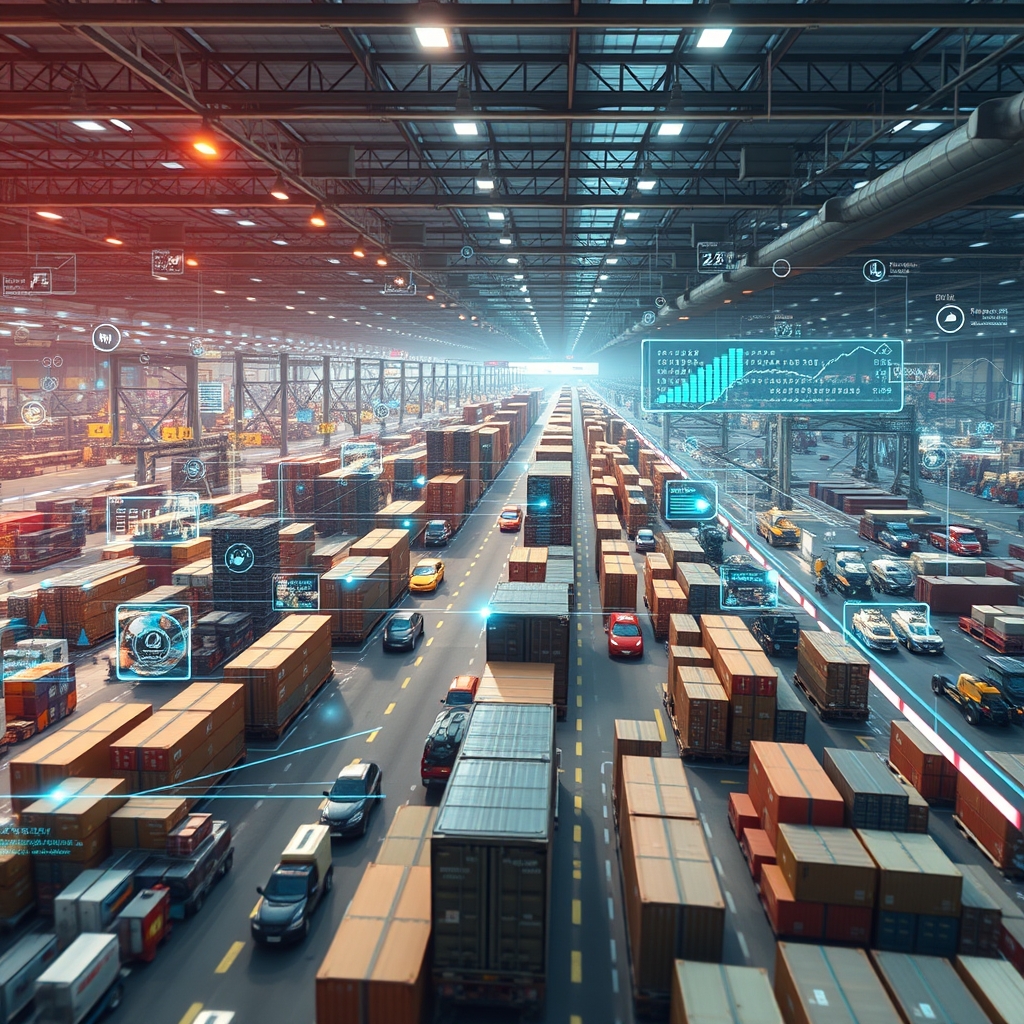
In the intricate dance of modern business, the supply chain stands as a critical partner, ensuring that goods and services flow seamlessly from producer to consumer. However, this symphony is often disrupted by unforeseen events, from natural disasters to geopolitical tensions. Enter Artificial Intelligence (AI) and, more specifically, predictive modeling, a powerful tool that is revolutionizing the way businesses approach supply chain resilience.
The Power of Predictive Modeling
Predictive modeling, a subset of AI, involves using historical data and statistical algorithms to predict future outcomes. In the context of supply chain resilience, this means being able to anticipate disruptions before they occur, allowing businesses to take proactive measures to mitigate their impact.
Data-Driven Decision Making
One of the primary benefits of predictive modeling is its ability to transform data into actionable insights. By analyzing vast amounts of data from various sources, including weather patterns, political stability, and economic indicators, businesses can gain a comprehensive understanding of potential risks. This data-driven approach enables more informed decision-making, reducing the reliance on gut feelings or reactive strategies.
Proactive Risk Management
Predictive modeling allows businesses to identify potential risks and take proactive measures to mitigate them. For instance, if a predictive model forecasts a potential shortage of a critical component due to a natural disaster in a supplier’s region, the business can explore alternative suppliers or increase inventory levels in advance. This proactive approach not only minimizes disruptions but also enhances the overall efficiency of the supply chain.
Enhancing Supply Chain Resilience
Supply chain resilience is not just about mitigating risks; it’s also about maintaining business continuity and customer satisfaction. Predictive modeling plays a crucial role in this aspect as well.
Improved Demand Forecasting
Accurate demand forecasting is a cornerstone of supply chain resilience. Predictive modeling can help businesses forecast demand more accurately by considering various factors, such as seasonal trends, economic conditions, and customer behavior. This not only helps in optimizing inventory levels but also ensures that businesses can meet customer demands without overstocking or understocking.
Optimized Resource Allocation
Predictive modeling can also help businesses optimize resource allocation. By predicting potential bottlenecks or delays, businesses can allocate resources more effectively, ensuring that critical tasks are completed on time. This not only enhances operational efficiency but also improves customer satisfaction.
Case Study: The AI-Powered Supply Chain
Consider the case of a global retail giant that leveraged predictive modeling to enhance its supply chain resilience. By analyzing historical data and real-time information, the company was able to predict potential disruptions, such as port congestion or supplier delays. This allowed the company to take proactive measures, such as diversifying suppliers or increasing inventory levels, ensuring that it could meet customer demands without any disruptions.
In conclusion, predictive modeling is orchestrating a new era of supply chain resilience. By transforming data into actionable insights, businesses can make more informed decisions, mitigate risks, and enhance operational efficiency. As AI continues to evolve, its role in shaping the future of supply chain resilience will only grow, promising a more agile, resilient, and customer-centric supply chain.



