The AI-Powered Symphony: How Predictive Modeling is Orchestrating the Future of Supply Chain Resilience
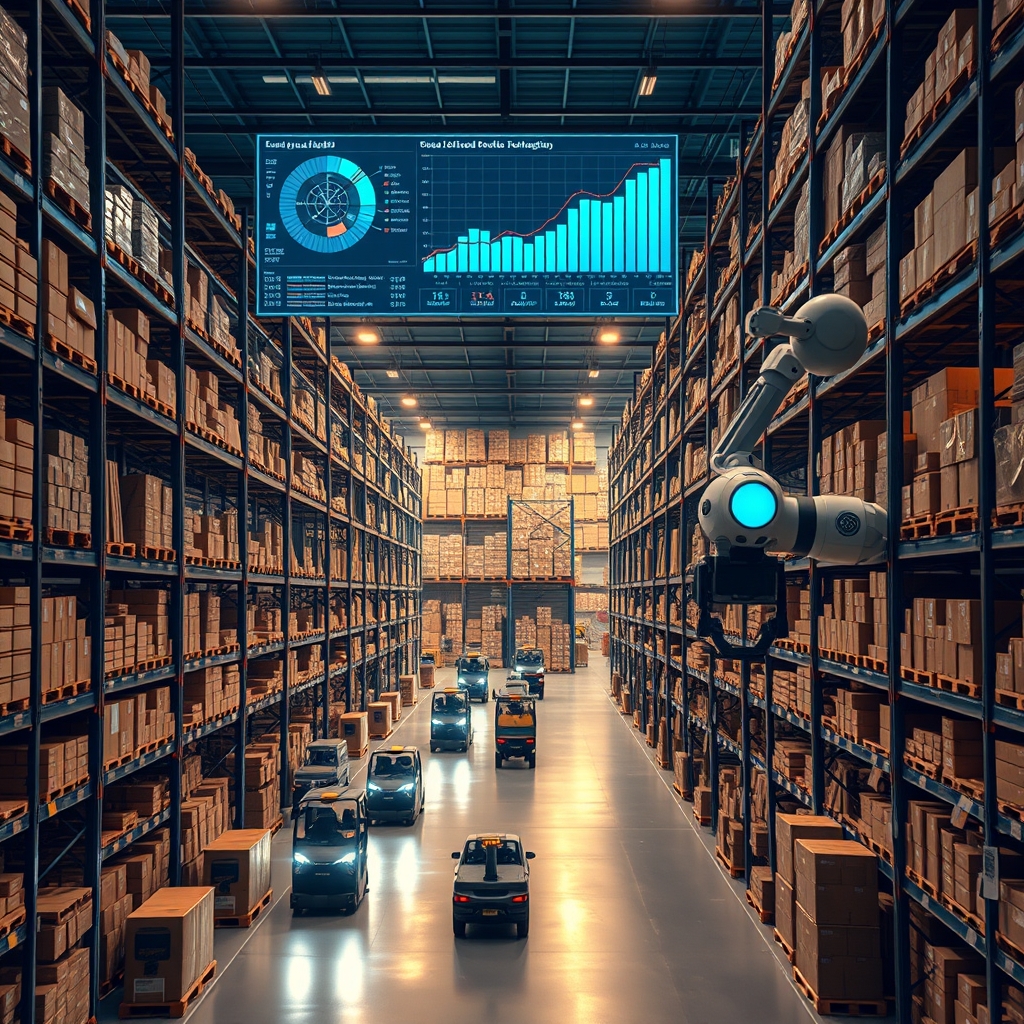
In the symphony of modern business, the supply chain is the conductor, orchestrating the complex dance of raw materials, finished goods, and information. However, this symphony is increasingly being conducted by the invisible hand of Artificial Intelligence (AI), with predictive modeling taking center stage.
The Role of Predictive Modeling in Supply Chain Resilience
Predictive modeling, a subset of data analytics, uses historical data, statistical algorithms, and machine learning techniques to predict future events. In the context of supply chain resilience, it’s a game-changer. By analyzing vast amounts of data from various sources, predictive modeling can anticipate disruptions, identify potential risks, and suggest proactive measures.
Anticipating Disruptions
Disruptions in the supply chain can be caused by a myriad of factors, from natural disasters to geopolitical events. Predictive modeling can help businesses anticipate these disruptions before they occur. For instance, by analyzing weather patterns, a company can predict the likelihood of a hurricane disrupting its supply chain and take preventive measures.
Identifying Potential Risks
Predictive modeling can also identify potential risks in the supply chain. By analyzing data from suppliers, logistics partners, and other stakeholders, businesses can identify weak links in their supply chain and take corrective actions. For example, if predictive modeling identifies that a particular supplier is prone to delays, the business can diversify its supplier base or negotiate better terms with the existing supplier.
Proactive Measures
Predictive modeling doesn’t just help businesses react to disruptions; it also enables them to take proactive measures. By predicting future demand, businesses can optimize their inventory levels, reduce waste, and improve customer satisfaction. For instance, predictive modeling can help a retail business anticipate a surge in demand for a particular product and ensure that it’s available in the stores.
The Future of Supply Chain Resilience
As we move forward, the role of predictive modeling in supply chain resilience will only grow. With the increasing complexity of global supply chains and the rise of e-commerce, the need for accurate, real-time data and advanced analytics will become even more critical. Businesses that leverage AI and predictive modeling will not only be better prepared to handle disruptions but also be able to seize opportunities that arise from them.
In the symphony of modern business, AI and predictive modeling are the new instruments, conducting a melody of resilience, efficiency, and growth. As we continue to explore the possibilities of this symphony, we’re not just orchestrating the future of supply chain resilience; we’re also shaping the future of business itself.