
The Psychology Behind Hyper Personalization: How AI is Decoding Consumer Behavior to Elevate Customer Experience
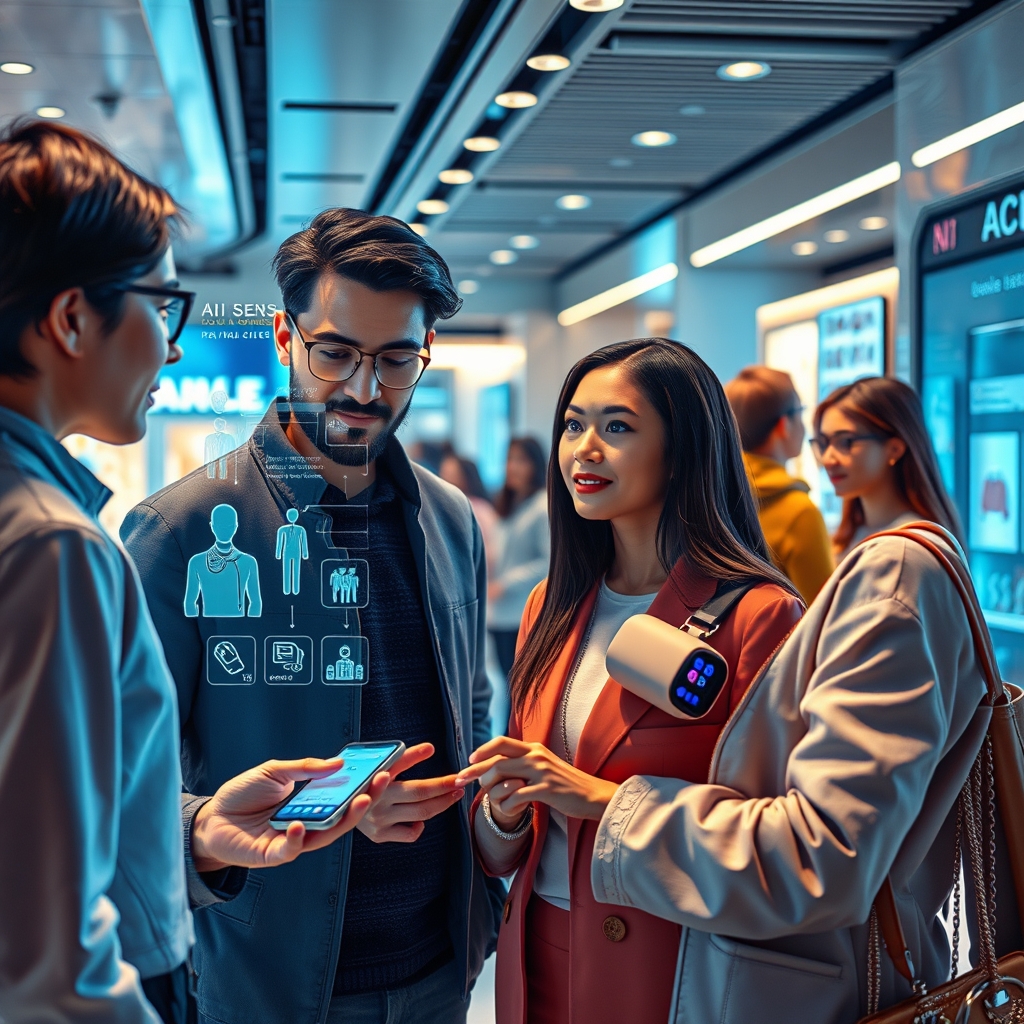
In an era where consumers are bombarded with generic advertisements and one-size-fits-all marketing messages, the demand for personalized experiences has never been higher. Hyper personalization, powered by artificial intelligence, is not just a trend—it’s a fundamental shift in how businesses engage with their customers. By leveraging advanced data analytics and predictive modeling, companies can now anticipate needs, preferences, and even emotions, crafting interactions that feel uniquely tailored to each individual. But what lies beneath this transformation? How does AI decode the complexities of human behavior to create these deeply resonant experiences?
The Science of Hyper Personalization
At its core, hyper personalization is about understanding the psychological triggers that drive consumer decisions. Traditional personalization might involve addressing a customer by their first name or recommending products based on past purchases. Hyper personalization, however, goes several layers deeper. It analyzes real-time data—such as browsing behavior, social media activity, and even biometric responses—to predict what a customer might want next, often before they realize it themselves.
AI-driven tools, particularly those utilizing machine learning and natural language processing, can detect patterns in vast datasets that would be impossible for humans to uncover. For example, a customer who frequently searches for sustainable products may not just be interested in eco-friendly items but could also be influenced by messaging that aligns with their values, such as corporate responsibility or ethical sourcing. By identifying these subtle cues, AI enables brands to craft messages that resonate on an emotional level, fostering a sense of connection and loyalty.
The Role of Predictive Modeling
Predictive modeling is a cornerstone of hyper personalization. By analyzing historical data and identifying trends, AI can forecast future behaviors with remarkable accuracy. For instance, an e-commerce platform might use predictive modeling to determine which customers are most likely to churn and then proactively offer personalized incentives to retain them. Similarly, a streaming service could predict which shows a user is likely to binge next, creating a seamless and engaging experience that keeps them coming back.
These models are not static; they continuously learn and adapt. As new data flows in, the algorithms refine their predictions, ensuring that the personalization remains relevant and effective. This dynamic approach allows businesses to stay ahead of shifting consumer preferences, delivering experiences that feel intuitive and effortless.
Ethical Considerations and Brand Authenticity
While hyper personalization offers immense potential, it also raises important ethical questions. Consumers are increasingly aware of how their data is being used, and concerns about privacy and manipulation are growing. Brands that fail to strike the right balance between personalization and intrusion risk alienating their audience. Transparency is key—customers should understand how their data is being collected and used, and they should have control over their preferences.
Moreover, hyper personalization must align with brand authenticity. Consumers can quickly detect when personalization feels forced or insincere. For example, a luxury brand that suddenly starts sending discount offers to a high-value customer might undermine its premium positioning. The most successful implementations of hyper personalization are those that feel organic, enhancing the customer experience without compromising the brand’s core values.
The Future of Customer Experience
As AI continues to evolve, the possibilities for hyper personalization are expanding. Emerging technologies like augmented reality and voice assistants are opening new avenues for immersive, personalized interactions. Imagine walking into a store where the digital displays adapt to your preferences in real time, or receiving a voice message from a virtual assistant that not only recommends a product but also explains why it’s perfect for you based on your past interactions.
However, the true power of hyper personalization lies not in the technology itself but in its ability to make customers feel seen and understood. In a world where attention spans are shrinking and competition is fierce, the brands that succeed will be those that use AI not just to sell, but to build meaningful relationships. By decoding the psychology behind consumer behavior, businesses can create experiences that are not only personalized but also deeply human.
The journey toward hyper personalization is just beginning, and its potential to transform customer experience is limitless. As businesses continue to refine their strategies, one thing is clear: the future belongs to those who can harness the power of AI to connect with their audience in ways that feel authentic, intuitive, and profoundly personal. The question is no longer whether to embrace hyper personalization, but how to do so in a way that respects the customer while delivering unparalleled value.