
The Rise of Autonomous Quality Control Systems in Smart Manufacturing: Ensuring Precision and Compliance
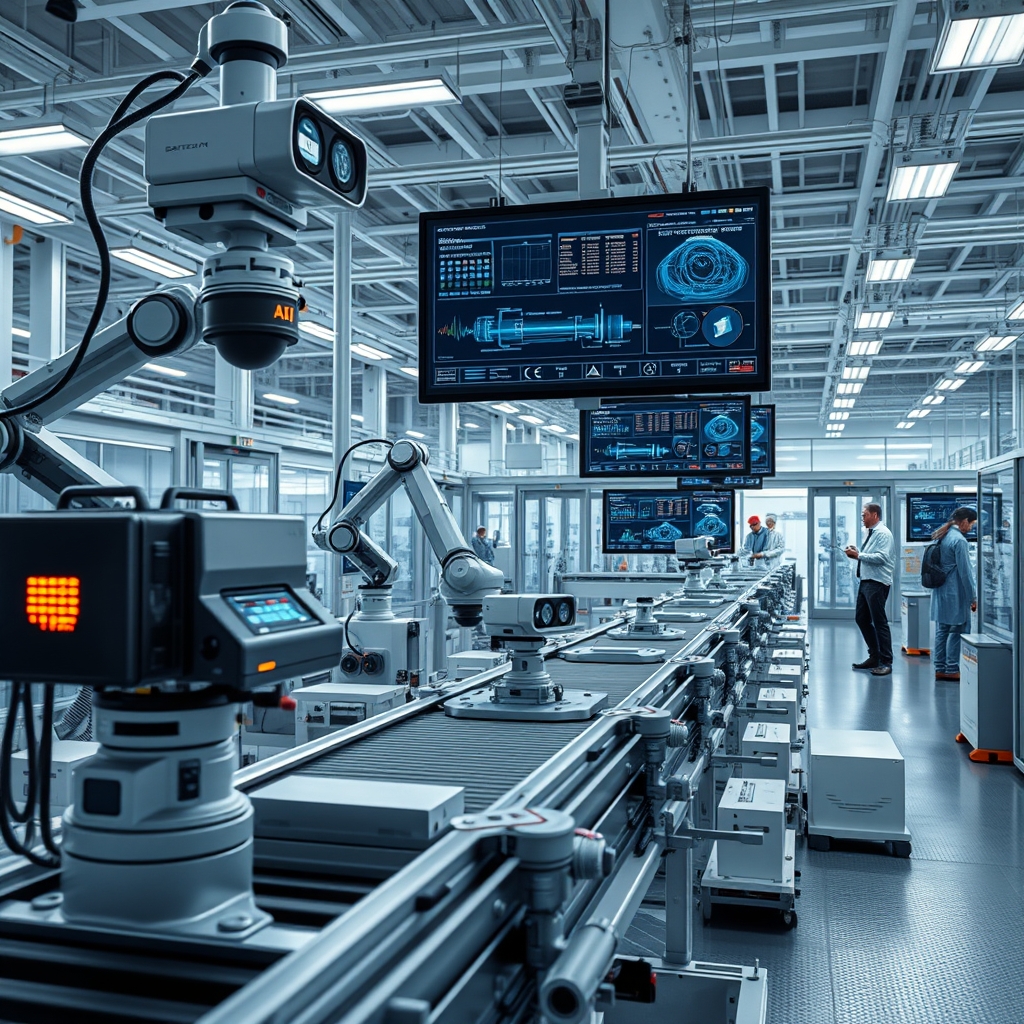
In the rapidly evolving landscape of smart manufacturing, quality control has emerged as a critical frontier where automation and artificial intelligence are redefining traditional paradigms. Gone are the days when quality assurance relied solely on manual inspections, sporadic sampling, and reactive corrective measures. Today, autonomous quality control systems powered by machine learning, computer vision, and real-time data analytics are transforming how manufacturers ensure precision, compliance, and consistency across production lines. These systems are not just enhancing efficiency—they are fundamentally reshaping the relationship between quality, cost, and customer satisfaction.
The Evolution of Quality Control in Manufacturing
Quality control has always been a cornerstone of manufacturing, but its methods have undergone significant transformations. In the early 20th century, statistical process control (SPC) introduced data-driven approaches to monitor production variability. Later, Six Sigma methodologies further refined quality management by emphasizing defect reduction and process optimization. However, these approaches still relied heavily on human intervention, leaving room for errors, inconsistencies, and delays.
The advent of Industry 4.0 has accelerated the shift toward autonomous quality control systems. By integrating IoT sensors, high-resolution cameras, and AI-driven analytics, manufacturers can now detect defects, deviations, and anomalies in real time—often before they escalate into costly issues. These systems operate continuously, learning from every production cycle to improve accuracy and adapt to new challenges. The result is a proactive, rather than reactive, approach to quality assurance.
How AI and Computer Vision Are Revolutionizing Inspections
At the heart of autonomous quality control systems lies computer vision, a branch of AI that enables machines to interpret and analyze visual data. High-speed cameras and 3D scanners capture detailed images of products at various stages of production, while AI algorithms compare these images against predefined quality standards. Unlike human inspectors, these systems can detect microscopic defects, subtle color variations, or structural inconsistencies that might otherwise go unnoticed.
For example, in automotive manufacturing, computer vision systems can inspect welds, paint finishes, and component alignments with a level of precision that surpasses human capabilities. In electronics production, AI-driven systems can identify soldering defects, misaligned components, or even counterfeit parts with near-perfect accuracy. The speed and reliability of these inspections not only reduce scrap and rework but also enhance traceability, which is crucial for industries with stringent regulatory requirements, such as aerospace and pharmaceuticals.
The Role of Machine Learning in Predictive Quality Assurance
While computer vision addresses real-time defect detection, machine learning takes quality control a step further by enabling predictive quality assurance. By analyzing historical data from production lines, machine learning models can identify patterns and correlations that precede quality issues. For instance, a model might detect that a specific temperature fluctuation in a molding machine correlates with a higher rate of product deformities. Armed with this insight, manufacturers can adjust processes preemptively, preventing defects before they occur.
Predictive quality assurance also extends to supply chain logistics. By integrating data from raw material procurement, machine learning models can predict how variations in material properties might impact final product quality. This level of foresight allows manufacturers to work closely with suppliers to ensure consistency, reducing the risk of defects caused by substandard inputs.
Integrating Autonomous Quality Control with Factory Automation
The true power of autonomous quality control systems lies in their seamless integration with broader factory automation ecosystems. When combined with digital twin technology, these systems create a virtual replica of the production line, enabling manufacturers to simulate and optimize quality control processes before implementing them in the real world. This not only reduces the risk of disruptions but also accelerates the deployment of new quality standards.
Moreover, autonomous quality control systems can communicate directly with other automated systems, such as robotic arms or material handling equipment, to correct defects in real time. For example, if a vision system detects a misaligned component on an assembly line, it can trigger a robotic arm to adjust or remove the part before it moves to the next stage. This closed-loop automation minimizes human intervention, reduces downtime, and ensures that only products meeting the highest standards reach the end of the line.
Overcoming Challenges in Implementation
Despite their transformative potential, autonomous quality control systems are not without challenges. One of the primary hurdles is the initial cost of implementation, which can be prohibitive for small and medium-sized manufacturers. However, the long-term return on investment—through reduced scrap, lower rework costs, and improved customer satisfaction—often justifies the expense. Additionally, advancements in edge computing are making these systems more accessible by reducing the need for expensive cloud infrastructure.
Another challenge lies in the complexity of integrating these systems with existing manufacturing processes. Legacy equipment, disparate data sources, and resistance to change can slow adoption. To overcome these barriers, manufacturers must invest in upskilling their workforce, fostering a culture of innovation, and partnering with technology providers who understand the unique demands of their industry.
The Future of Quality Control: Toward Zero Defects
The ultimate goal of autonomous quality control systems is to achieve zero defects—a vision that is increasingly within reach thanks to advancements in AI, robotics, and data analytics. As these systems become more sophisticated, they will not only detect and correct defects but also anticipate and prevent them entirely. This shift from reactive to predictive quality control will redefine manufacturing excellence, enabling companies to deliver products that consistently meet or exceed customer expectations.
Beyond the factory floor, autonomous quality control systems will also play a pivotal role in sustainable manufacturing. By minimizing waste and optimizing resource use, these systems align with the principles of green manufacturing, reducing the environmental footprint of production processes. As consumers and regulators alike demand greater transparency and accountability, manufacturers that embrace autonomous quality control will be better positioned to meet these expectations while maintaining a competitive edge.
As smart manufacturing continues to evolve, the role of autonomous quality control systems will only grow in importance. These systems are not merely tools for ensuring compliance—they are enablers of innovation, efficiency, and resilience in an increasingly complex industrial landscape. By harnessing the power of AI and automation, manufacturers can turn quality control from a cost center into a strategic advantage, paving the way for a future where precision and excellence are not just goals, but guarantees.



