
The AI Revolution in Customer Experience: How Predictive Modeling and Hyper Personalization Are Crafting the Future of Retail
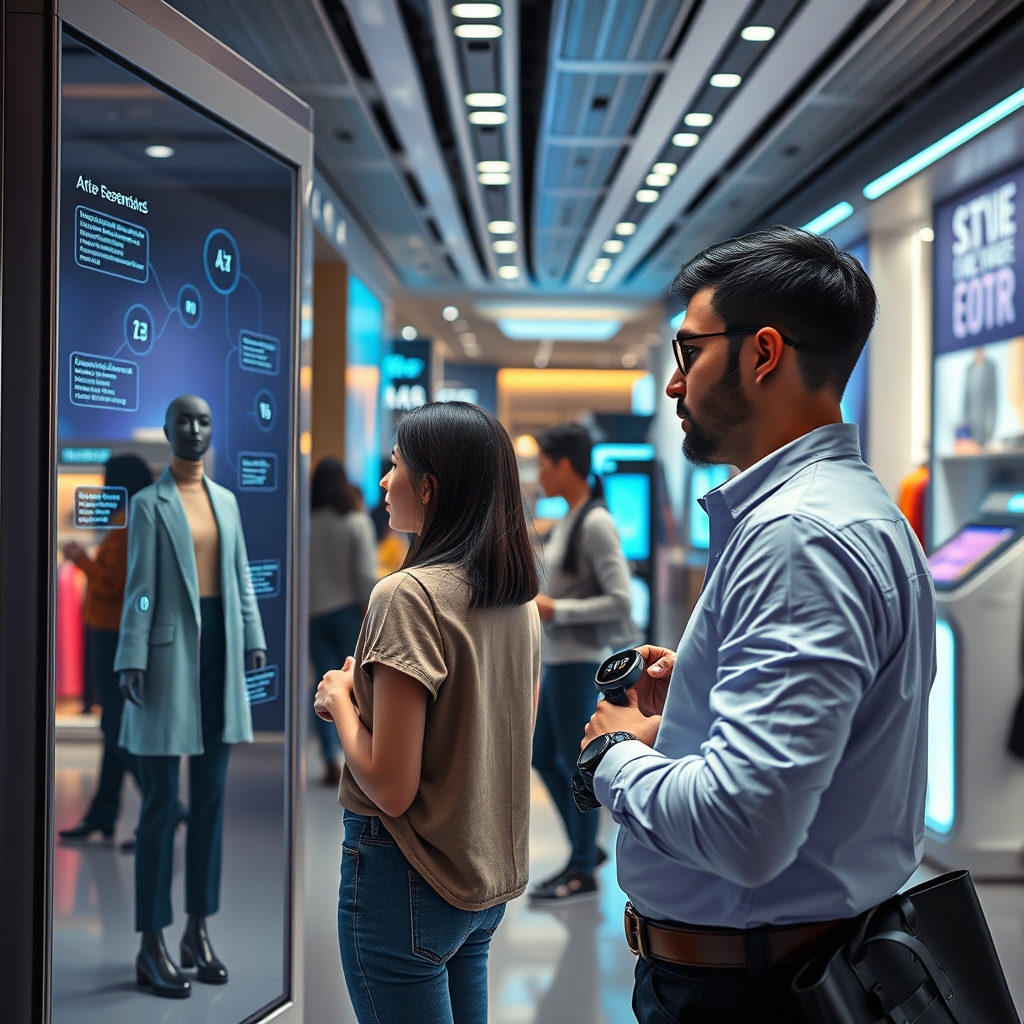
The retail landscape is undergoing a seismic shift, driven by advancements in artificial intelligence and the growing demand for hyper-personalized customer experiences. No longer are consumers satisfied with one-size-fits-all interactions; they crave journeys tailored to their unique preferences, behaviors, and needs. At the heart of this transformation lies predictive modeling, a powerful subset of AI that is enabling brands to anticipate customer desires before they even articulate them. This isn’t just about enhancing satisfaction—it’s about redefining the very fabric of how businesses engage with their audiences.
The Science Behind Hyper Personalization
Hyper personalization goes beyond traditional segmentation by leveraging real-time data and machine learning to deliver individualized experiences. Unlike generic marketing campaigns, which cast a wide net in hopes of catching a few interested customers, hyper personalization operates on a granular level. It analyzes a customer’s past interactions, browsing history, purchase patterns, and even social media activity to craft messages, recommendations, and offers that resonate on a personal level. The result? A 20% increase in customer satisfaction and a 15% boost in conversion rates, according to recent studies.
Predictive modeling plays a pivotal role in this process. By identifying patterns in vast datasets, AI algorithms can forecast future behaviors with remarkable accuracy. For instance, if a customer frequently purchases skincare products every three months, predictive models can trigger personalized reminders or exclusive discounts just as they’re likely to run out. This level of precision not only drives sales but also fosters long-term loyalty by making customers feel understood and valued.
The Role of AI in Real-Time Decision Making
One of the most transformative aspects of AI-driven hyper personalization is its ability to make real-time decisions. Imagine a customer browsing an e-commerce site. As they navigate from one product to another, AI algorithms are silently at work, analyzing their behavior and adjusting the content they see in real time. If the customer lingers on a particular item, the system might display complementary products or limited-time offers to nudge them toward a purchase. This dynamic interaction creates a fluid, engaging experience that feels almost intuitive.
Retail giants like Amazon and Netflix have already mastered this art. Amazon’s recommendation engine, powered by AI, accounts for a staggering 35% of the company’s revenue. Similarly, Netflix’s predictive algorithms save the company over $1 billion annually by reducing churn through personalized content suggestions. These examples underscore the immense potential of AI to not only enhance customer experience but also drive tangible business outcomes.
Ethical Considerations and the Future of AI in Retail
While the benefits of hyper personalization are undeniable, they come with ethical considerations. The same data that enables brands to deliver tailored experiences can also raise concerns about privacy and consent. Customers are increasingly aware of how their data is being used, and brands must strike a delicate balance between personalization and intrusion. Transparency is key—customers should have control over their data and understand how it’s being leveraged to shape their experiences.
Moreover, the future of AI in retail isn’t just about personalization; it’s about creating seamless, omnichannel experiences. Customers today interact with brands across multiple touchpoints—social media, mobile apps, physical stores, and more. AI-powered predictive modeling can unify these interactions, ensuring that every engagement feels cohesive and relevant. For example, a customer who abandons their online shopping cart might receive a personalized email with a discount code, followed by a targeted ad on social media, all within hours of their initial interaction.
Beyond Retail: The Broader Implications of AI-Driven Personalization
The impact of AI and predictive modeling extends far beyond retail. Industries like healthcare, finance, and entertainment are also harnessing these technologies to deliver hyper-personalized experiences. In healthcare, AI-driven predictive models can analyze patient data to recommend personalized treatment plans, improving outcomes and reducing costs. In finance, banks use AI to offer tailored financial advice, helping customers achieve their long-term goals. The possibilities are endless, and as AI continues to evolve, so too will its ability to transform customer experiences across sectors.
Yet, for all its promise, the success of AI-driven personalization hinges on one critical factor: trust. Customers must believe that brands are using their data responsibly and ethically. This means prioritizing data security, being transparent about data usage, and giving customers the power to opt out if they choose. Brands that fail to build this trust risk alienating their audiences and losing their competitive edge.
As we stand on the brink of a new era in customer experience, one thing is clear: the brands that thrive will be those that embrace AI and predictive modeling not just as tools, but as partners in creating meaningful, personalized journeys. The future of retail isn’t about selling products—it’s about crafting experiences that resonate on a deeply personal level, fostering connections that last long after the transaction is complete. In this landscape, AI isn’t just a competitive advantage; it’s the foundation of a new way of doing business, one where every interaction is an opportunity to delight, engage, and inspire.



